
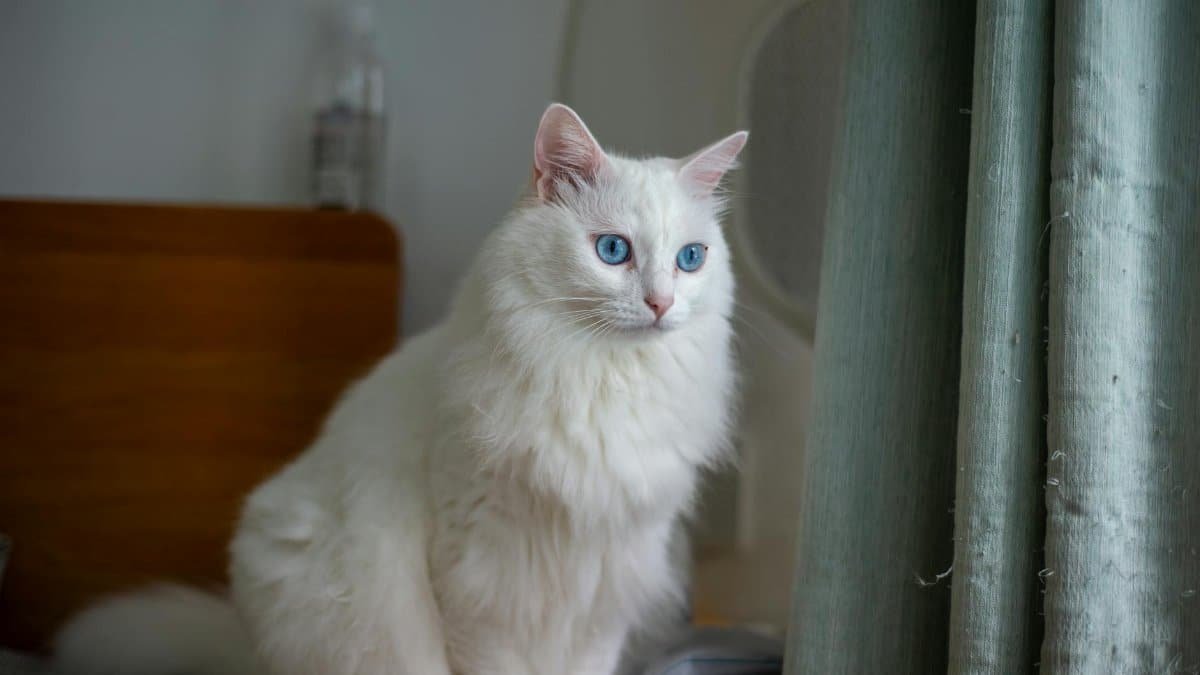
California has officially banned cat declawing, cementing its place as a leader in animal welfare. On February 15, 2026, the state enacted a new law declaring the procedure cruel and unnecessary. This cat declaw ban ends non-therapeutic declawing statewide, urging owners to keep their cats’ claws intact. The move aligns with growing calls to protect felines from painful surgeries, sparking cheers from advocates. California now stands as the latest state to take this step, signaling a tougher stance on pet procedures in 2026.
Landmark Law Takes Effect

The new 2026 law hit the books on February 15, 2026, making California the latest battleground turned victory for cat protection. State leaders framed the ban as a clear directive: keep their claws. This legislation targets declawing, a surgery that removes the last bone of each toe on a cat’s paw. No longer can vets perform it for convenience. The rule applies across the state, from Los Angeles clinics to rural practices. Enforcement starts immediately, with penalties for violations. This positions California at the forefront of feline rights in a year focused on animal welfare reforms.
Declawing Called Cruel

Officials slammed declawing as outright cruel. The procedure severs bones and nerves, often leading to lifelong pain and behavioral shifts in cats. California lawmakers highlighted these harms in pushing the ban. The state’s declaration echoes long-standing veterinary concerns about the surgery’s brutality. For context, the Humane Society of the United States details how declawing disrupts a cat’s natural balance and can cause chronic issues. This 2026 law formalizes that view, banning the practice to spare cats unnecessary suffering.
Unnecessary Procedure Banned

Beyond cruelty, the law deems declawing unnecessary. Cats scratch for marking territory and sharpening claws—natural behaviors, not problems requiring amputation. The ban promotes alternatives like trimming nails or providing scratching posts. California’s move rejects elective surgery for owner convenience, such as protecting furniture. This stance reflects a shift in 2026 toward humane pet care. Vets must now steer clients to non-surgical fixes, reshaping how households manage feline habits statewide.
California Joins Other States

California emerges as the latest state to impose a cat declaw ban. Prior actions in places like New York and Maryland set the stage, but the Golden State’s massive population amplifies the impact. This 2026 development builds momentum across the U.S., where more legislatures eye similar restrictions. Animal welfare groups track these wins, noting California’s influence could inspire neighbors. The ban underscores a national trend rejecting outdated practices in favor of compassion.
Key Details of the 2026 Law
The legislation, effective February 15, 2026, prohibits non-therapeutic declawing outright. Exceptions exist only for medical necessity, like treating injury or disease—cases vets must document. Routine procedures for behavioral reasons now face prohibition. State regulators will oversee compliance, training vets on the rules. This targeted approach ensures the law protects cats without hampering essential care. California’s framework serves as a model for precise, enforceable animal protections.
A Win for Animal Rights

Advocates celebrate the cat declaw ban as a major triumph. Groups pushing for years hailed the February 15 announcement with the slogan “Keep their claws.” The law validates their campaigns against painful surgeries. In 2026, this victory bolsters broader fights for pet welfare, from puppy mills to factory farms. California’s action spotlights how policy can curb cruelty, energizing national efforts. Supporters see it as proof that public pressure yields real change.
Shifting Practices for Cat Owners
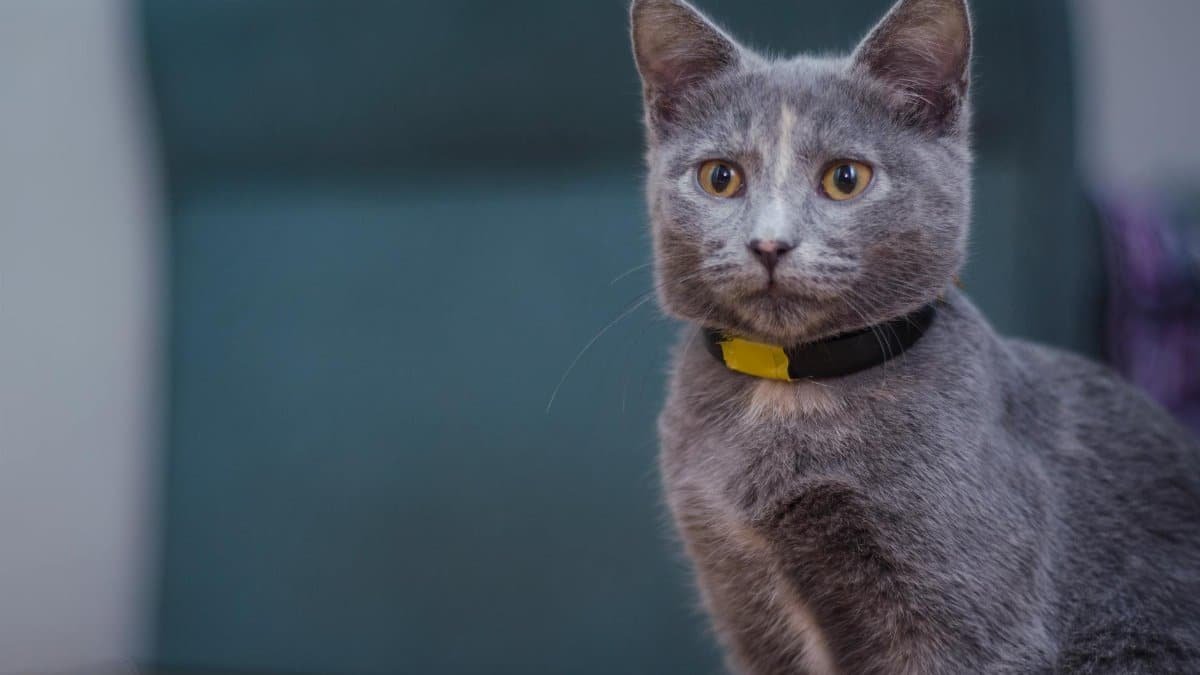
Pet owners now adapt to life without declawing options. The ban forces a rethink of claw management, emphasizing training and environmental tweaks. Trimming claws regularly becomes standard, alongside soft caps or posts. California’s vast cat population—millions strong—means widespread adjustment. Early reports suggest owners welcome the push toward gentler methods. This 2026 shift fosters stronger bonds between cats and families, prioritizing natural traits over surgical fixes.
Veterinary Landscape Changes

Vets face new realities under the law. Declawing, once common, vanishes from elective services. Practices pivot to education on alternatives, aligning with the ban’s spirit. The ASPCA supports such policies, outlining non-invasive strategies vets can promote. California’s rule standardizes care statewide, potentially reducing liability from controversial procedures. In 2026, this levels the field for ethical practices.
Broad Implications in 2026

The cat declaw ban ripples beyond California. As the latest state to act, it pressures holdouts to follow. National conversations intensify on elective pet surgeries, with welfare at the core. The February 15 law sets a precedent: procedures must prove necessity. Owners, vets, and advocates alike navigate this era of heightened protections. California’s bold step in 2026 reinforces a commitment to letting cats be cats—claws and all.