

In recent years California lawmakers have advanced several measures aimed at reshaping how the justice system handles people with serious psychological conditions. One proposal now under consideration would tighten eligibility for diversion programs that steer defendants away from prison and into treatment instead. The Mental Health Bill sits at the center of this debate as it moves toward possible action by Governor Gavin Newsom.
Background on Diversion Programs in California

California has operated mental health diversion statutes for more than a decade. These laws allow courts to refer eligible defendants into community based care rather than incarceration when underlying conditions appear to have contributed to the alleged offense. Supporters argue the approach reduces recidivism and eases pressure on overcrowded facilities. Critics counter that some participants commit new offenses before treatment takes hold.
Details of the Current Proposal

The measure would narrow the list of qualifying offenses and require stricter assessments of public safety risk. Prosecutors would gain additional authority to object to diversion in borderline cases. Backers say these changes address gaps that emerged after earlier expansions of the program during the pandemic era.
Arguments from Law Enforcement Groups

Police unions and district attorneys have voiced support for tighter rules. They point to instances in which individuals released under existing statutes later faced new charges involving violence. Data from several large counties show mixed results on completion rates for mandated treatment plans.
Perspectives from Mental Health Advocates

Organizations focused on psychiatric care warn that stricter limits could return more people with treatable conditions to jails ill equipped to provide therapy. They note that many county facilities still lack adequate staffing for medication management and counseling. Some advocates have urged amendments that would expand community resources alongside any eligibility changes.
Effects on County Budgets and Services

Local governments would face new costs if fewer defendants enter diversion and more remain in custody. Conversely, expanded treatment mandates could require additional outpatient slots that many regions already struggle to supply. State budget analysts have estimated modest fiscal impacts depending on how courts apply the revised standards.
Comparisons with Other States

Similar reforms in Texas and New York have produced varying outcomes. Texas tightened diversion criteria several years ago and reported a drop in program enrollment alongside stable recidivism figures. New York maintained broader access while investing in housing support and reported higher completion rates in urban courts.
Role of Evidence in Policy Decisions

Researchers at the University of California have tracked diversion cases across five counties. Their findings suggest that successful participants show lower rates of reoffending when stable housing and ongoing medication are available. The study can be reviewed at https://www.ucsf.edu/news/2025/03/mental-health-diversion-outcomes.
Potential Response from Governor Newsom

Newsom has previously signed legislation expanding treatment access while expressing concern about public safety. Observers expect he will weigh input from both criminal justice reformers and victims rights groups before deciding whether to approve or seek changes to the bill.
Next Steps in the Legislative Process
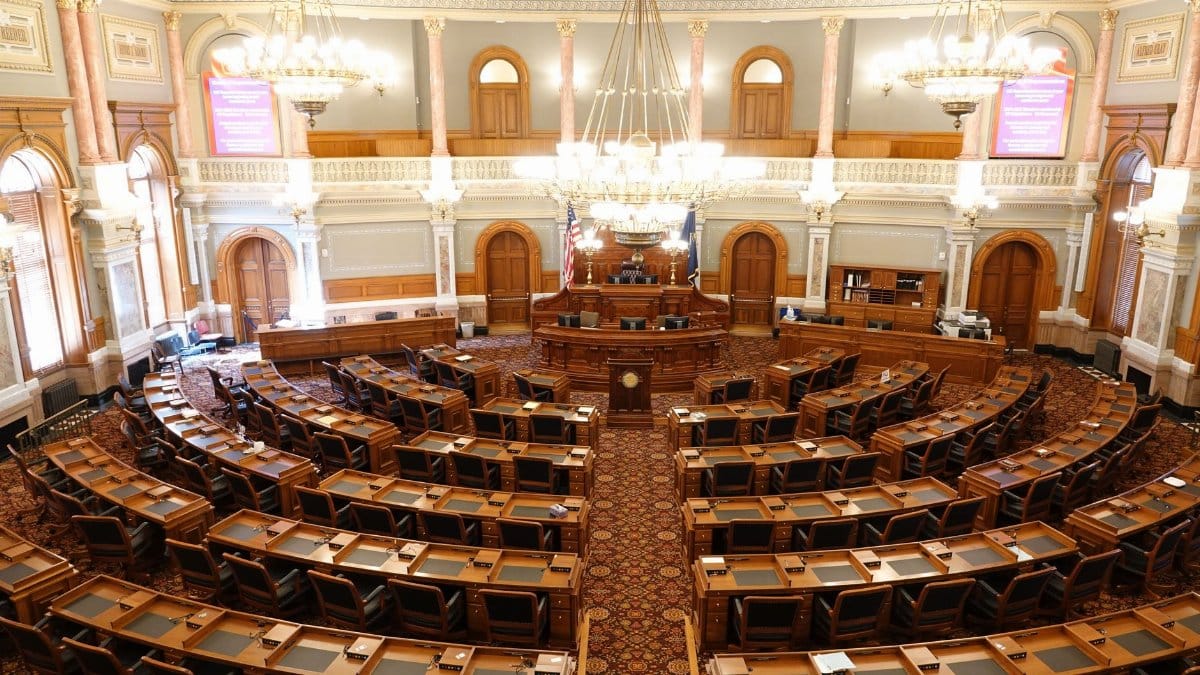
The proposal cleared key committees in both houses and awaits floor votes. If approved it would take effect next year allowing time for courts and county agencies to adjust procedures and training. Lawmakers have scheduled additional hearings to review amendments offered in recent weeks.