
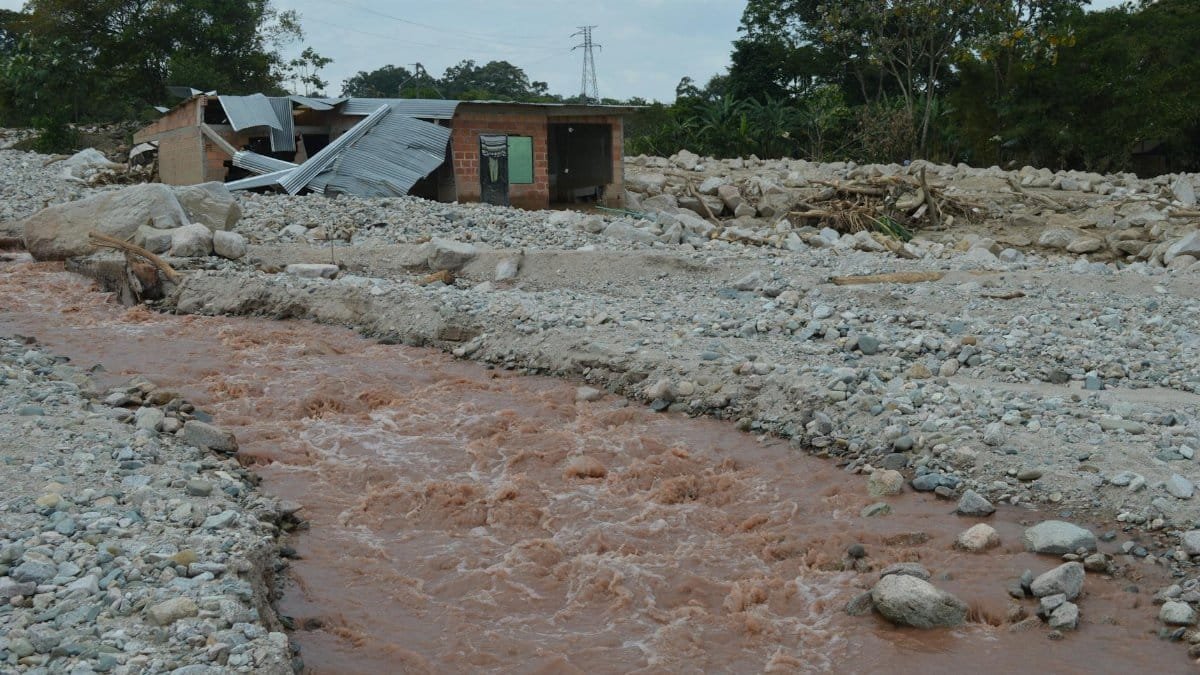
California’s highways have become a gauntlet of destruction. Recent atmospheric river storms have unleashed a tire-popping crisis, leaving roads crumbling and drivers on edge. As of February 17, 2026, massive potholes riddle state infrastructure, turning routine commutes into risky endeavors. California potholes now dominate conversations among motorists, highlighting the raw power of extreme weather on everyday travel.
Atmospheric River Storms Strike Hard

California endured relentless pounding from atmospheric river storms. These powerful weather events dumped torrential rains, saturating soil and overwhelming drainage systems. Water seeped into roadbeds, weakening asphalt from below. The result: surfaces buckled and split open. Highways, built to withstand typical conditions, proved no match for the deluge. Drivers report swerving to avoid sudden craters, a direct fallout from these storms’ fury.
Roads Crumble in the Aftermath

The roads are crumbling at an alarming rate. Pavement that once provided smooth passage now fractures under vehicle weight. Atmospheric river runoff eroded foundations, creating voids beneath the surface. As cars hit these weak spots, chunks of asphalt eject violently. Statewide highways bear the scars, with long stretches compromised. Maintenance crews scramble, but the scale overwhelms current efforts. This deterioration signals deeper infrastructure vulnerabilities exposed by extreme weather.
Massive Potholes Dominate Highways

Highways stand riddled with massive potholes. Some span feet wide and deep enough to swallow tires whole. These gaping holes formed rapidly post-storms, as trapped water expanded and burst through layers of road material. Visibility drops at night, amplifying dangers. California drivers navigate patchwork repairs amid ongoing hazards. The potholes’ size and frequency mark this as no ordinary wear-and-tear issue, but a crisis born of nature’s wrath.
Tire-Popping Crisis Grips Drivers

A tire-popping crisis defines the new reality for California drivers. Potholes shred rubber and bend rims with brutal efficiency. Sudden impacts send vehicles lurching, risking loss of control. Flat tires strand motorists on busy freeways, heightening accident potential. The storms accelerated this plague, multiplying encounters with road defects. Daily reports underscore the toll: shredded tires, costly repairs, and frayed nerves across the state.
Daily Drives Turn Perilous

California drivers face unrelenting peril on cratered highways. Each mile tests reflexes, as potholes lurk unpredictably. Swerving maneuvers spark chain-reaction close calls. The crumbling roads force slower speeds and hyper-vigilance, clogging traffic flows. Atmospheric river damage lingers, ensuring no quick fix. Motorists adapt with caution, but the crisis persists, transforming familiar routes into obstacle courses.
Infrastructure Strain Exposed

Crumbling roads expose California’s infrastructure strain. Years of deferred maintenance met its match in the storms’ intensity. Highways, vital arteries for commerce and commuting, now falter under pressure. Massive potholes symbolize broader decay, where weather exploits existing cracks. Rapid repairs prove challenging amid wet conditions and high traffic. The crisis demands attention to long-term resilience against such events.
Storms’ Lasting Legacy on Travel

The atmospheric river storms leave a lasting legacy on travel. Highways riddled with potholes disrupt schedules and safety. Tire-popping incidents rise, pulling resources toward emergency responses. California drivers endure prolonged exposure to hazards, with no end in sight until dry weather aids fixes. This episode underscores weather’s role in amplifying road woes, pressing for adaptive strategies in 2026.
Heavy rains from atmospheric rivers have long posed risks to West Coast infrastructure. For background on these events, see the NOAA JetStream page on atmospheric rivers.
Urgent Push for Road Recovery
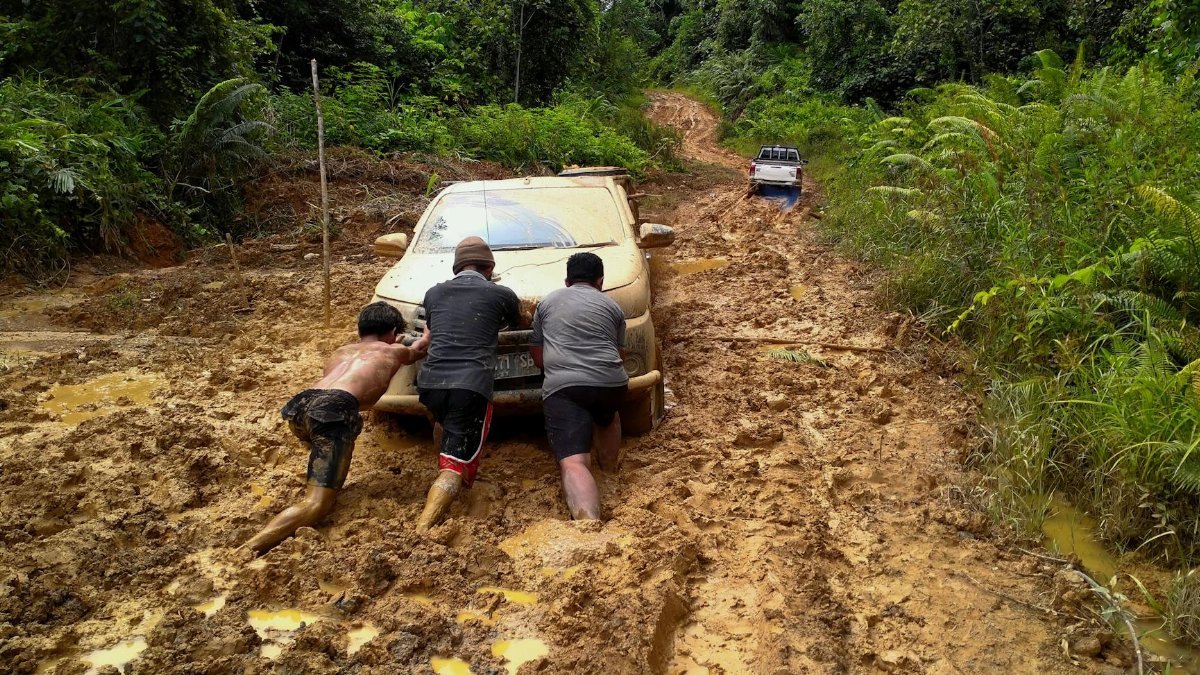
Recovery efforts ramp up against the pothole onslaught. Crews fill craters where possible, but storms’ volume outpaces work. California potholes persist as a stark reminder of vulnerability. Drivers demand swift action to restore safe passage. The tire-popping crisis fuels calls for bolstered funding and storm-ready designs. Highways must rebound to prevent escalation in this pivotal year.
California’s Department of Transportation tracks pothole issues statewide. Report hazards or learn more via Caltrans Pothole Reporting.
By Natasha Weber