
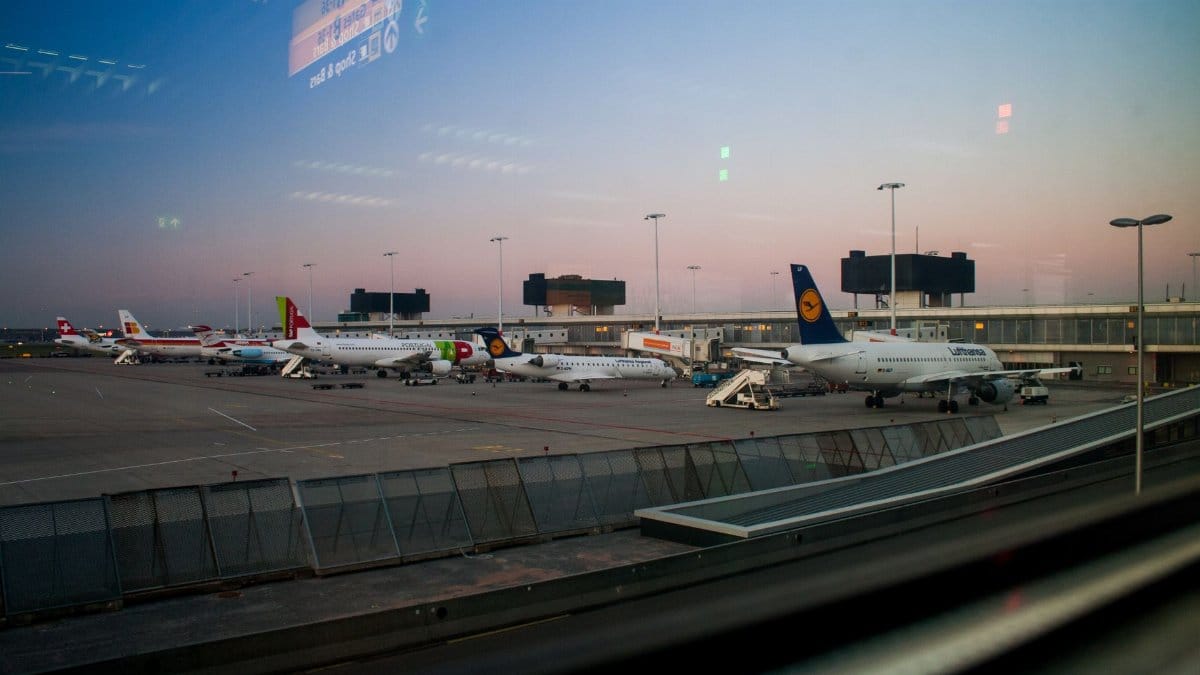
Travelers planning trips through one of the busiest hubs on the East Coast encountered sudden chaos when storms rolled in during peak summer travel season. The resulting BWI ground stop halted departures and arrivals for hours, leaving passengers to navigate crowded terminals and uncertain itineraries. Such events highlight how quickly routine operations can shift when nature intervenes at major facilities like BWI Marshall Airport.
Weather Patterns That Trigger Aviation Halts
Thunderstorms often develop rapidly over the mid Atlantic region during July afternoons. These cells bring lightning, heavy rain, and gusty winds that force air traffic controllers to pause all movements on runways and taxiways. Safety protocols require complete suspension until conditions improve, preventing risks to aircraft and crews alike.
Federal Aviation Administration Procedures in Action

When visibility drops or wind speeds exceed safe thresholds the Federal Aviation Administration issues a ground stop to manage incoming traffic. This measure stops new departures while allowing some arrivals already in the air to land if conditions permit. Coordination with airlines follows to resequence flights once the stop lifts.
Effects on Passenger Schedules and Connections
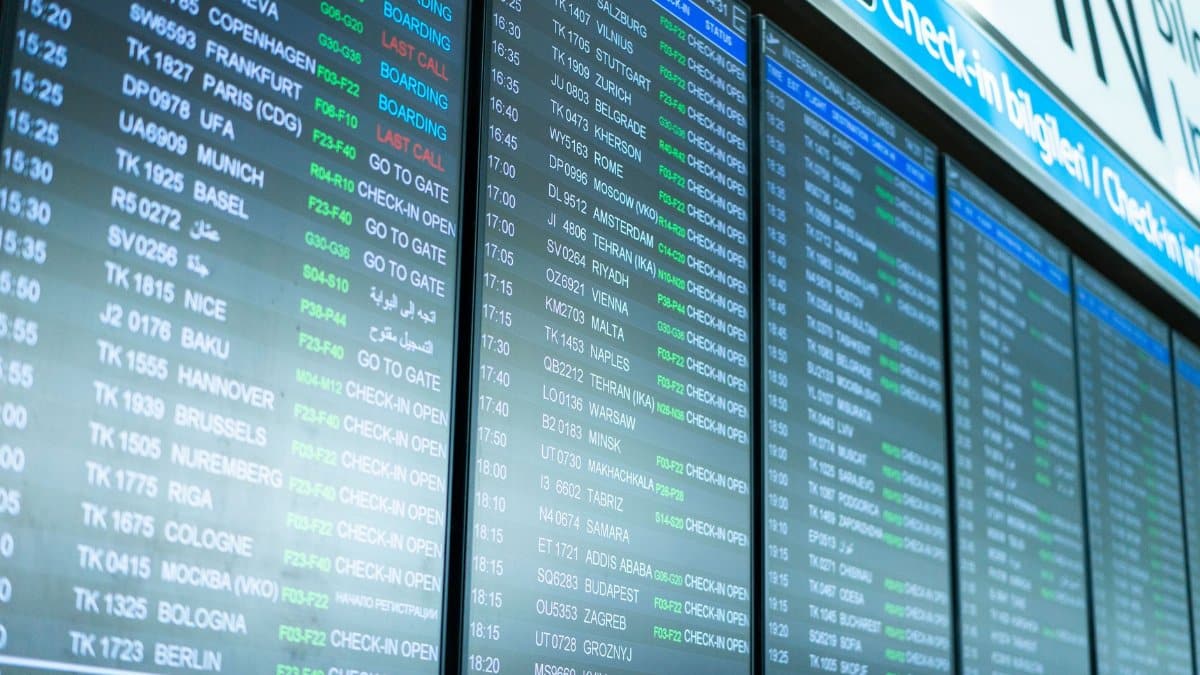
Hundreds of flights faced delays or outright cancellations during the July 21 2026 event. Passengers missed connecting flights at other airports and many spent extra nights away from home while crews and planes were repositioned. Baggage handling also slowed as resources focused on safety rather than speed.
Airline Recovery Efforts After the Stop
Carriers worked through the night to restore service once the BWI ground stop ended. Extra staff handled rebooking while mechanics inspected aircraft exposed to the storms. Some routes resumed quickly but others required days to return to normal frequency due to crew duty limits and aircraft positioning.
Broader Regional Travel Disruptions

Nearby airports absorbed some diverted flights yet capacity remained tight across the system. Road traffic around BWI Marshall Airport increased as people sought alternative transport or picked up stranded relatives. Local hotels reported higher occupancy from delayed travelers seeking overnight shelter.
Long Term Planning for Frequent Flyers

Experienced travelers now build extra time into summer itineraries knowing weather related halts remain common. Travel insurance that covers delays becomes a practical choice rather than an afterthought. Monitoring flight status apps provides early alerts when a BWI ground stop appears likely.
Technological Tools Aiding Future Responses

Modern radar and forecasting systems give controllers better advance notice of approaching storms. Airlines use sophisticated software to model ripple effects across their networks. These advances help reduce the duration and severity of future ground stops though complete elimination of weather impacts stays unlikely.
Community and Economic Ripple Effects

Local businesses near the airport see both gains and losses during such events. Restaurants inside terminals benefit from captive crowds while off site vendors lose customers who never leave the facility. Tourism in the Baltimore area can suffer when visitors arrive late or cancel trips altogether.
Lessons for Improved Infrastructure Resilience
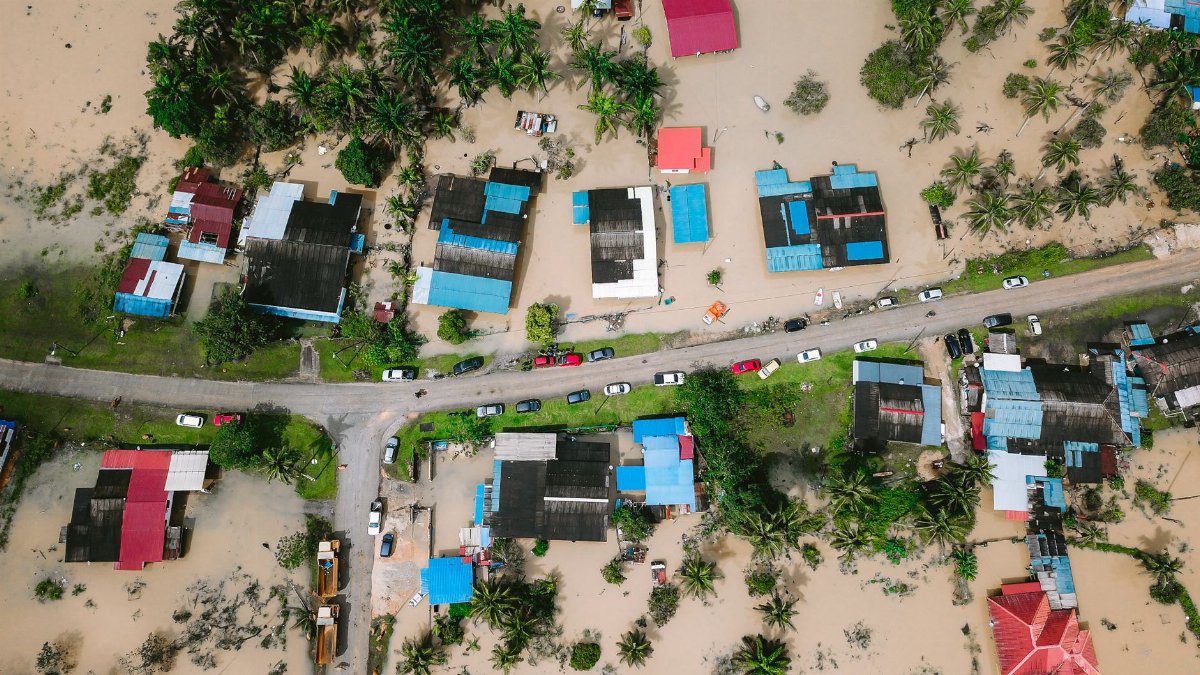
Repeated ground stops underscore the need for ongoing investment in airport facilities and training. Expanded runway capacity or improved drainage might shorten recovery times after heavy rain. Collaboration between federal agencies and local operators continues to evolve in response to these recurring challenges.