

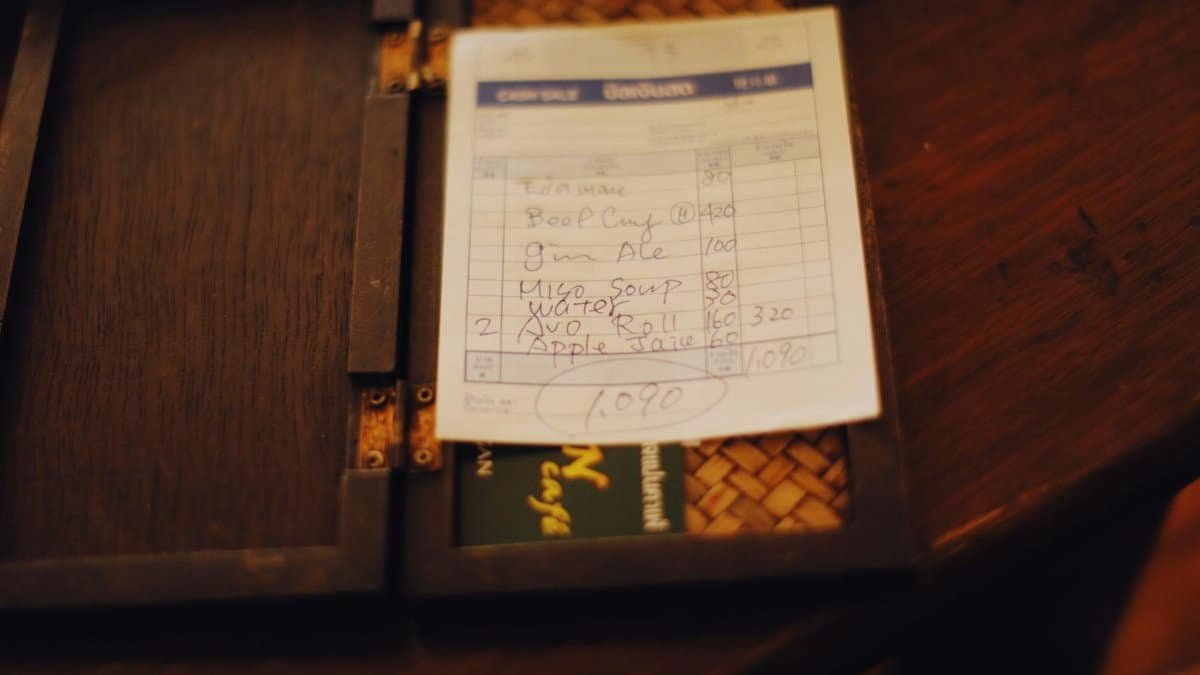
In the heart of Oakland’s vibrant Temescal neighborhood, a single line on a receipt has ignited a firestorm. Burdell, a celebrated soul food restaurant known for its fried chicken and cornbread, added a 20 percent automatic service charge to every bill, aiming to ensure fair wages for its staff. What followed was not applause but outrage: online reviews turned venomous, social media erupted with boycotts, and the owners received death threats serious enough to prompt police involvement. This burdell automatic service charge, intended as a progressive step toward equitable pay, has instead exposed deep fissures in America’s dining culture, where tipping traditions clash with modern labor realities.
The Spark That Lit the Fuse
Burdell opened in 2022 to widespread acclaim, drawing food lovers with its homage to Black Southern cooking. Chefs Geoff Davis and Nikhil Khamashta envisioned a space that honored culinary roots while treating employees right. Enter the burdell automatic service charge: a flat 20 percent fee applied universally, regardless of service quality. The policy was disclosed on the menu and website, but many diners felt blindsided. One viral TikTok video showed a customer confronting staff, ranting about the “hidden tax” on a $150 tab. Within days, Yelp ratings plummeted from 4.5 stars to under three, with comments accusing the restaurant of greed amid inflation.
Roots in Tipping’s Complicated History

To understand the backlash, look back at tipping’s origins. Post-Civil War America saw newly emancipated Black workers relegated to low-wage service roles, where tips supplemented paltry pay. Historians note this system entrenched racial inequities, a point echoed in recent debates. Burdell’s owners, aware of this legacy, sought to dismantle it. “We’re paying living wages upfront,” Davis told the Los Angeles Times. Yet for patrons accustomed to controlling gratuities, the shift felt like overreach, stirring resentment tied to those very historical wounds.
Social Media’s Role in Amplifying Rage

Platforms like Reddit, X and Instagram turned Burdell into a national punching bag. Threads in r/Oakland and r/Food racked up thousands of upvotes, with users sharing screenshots of inflated bills. Hashtags like #BoycottBurdell trended locally, blending legitimate gripes with hyperbolic fury. One post claimed the charge funded “lavish owner lifestyles,” despite evidence showing it supports staff salaries averaging $20 an hour plus benefits. The digital pile-on blurred lines between critique and harassment, forcing the restaurant to disable comments.
Threats Cross a Dangerous Line

Online vitriol escalated offline. Owners reported anonymous calls vowing violence, including one threat to “burn the place down.” Oakland police increased patrols, and Davis shared a chilling voicemail on Instagram, his voice steady but strained. “This isn’t about food anymore,” he said. “It’s about people’s anger at a system they’re stuck in.” Such incidents highlight a troubling trend: service fee disputes morphing into personal vendettas, as seen in similar cases at Los Angeles eateries.
Economic Pressures Fueling the Policy
Restaurants nationwide grapple with soaring costs. Labor shortages post-pandemic have driven wages up 25 percent since 2019, per the National Restaurant Association. Burdell’s burdell automatic service charge offsets this, allowing competitive pricing on dishes like smoked brisket. Without it, menus might rise 10 to 15 percent, alienating budget-conscious diners. Owners argue transparency justifies the fee, but skeptics demand itemized breakdowns, fueling conspiracy theories about profit padding.
Customer Perspectives: Fair Pay or Forced Tip?
Diners split sharply. Loyalists praise the model, one regular noting on Google, “Finally, no awkward tip math, and the service shines.” Critics, however, view it as entitlement. A Bay Area accountant told local news, “I tip generously when earned; this robs my discretion.” Surveys from hospitality think tanks, like Hospitality Net, show 60 percent of Americans prefer optional tipping, even if it means uneven server pay. Burdell’s experiment tests these preferences head-on.
Comparisons to Other Fee Pioneers

Burdell isn’t alone. San Francisco’s Foreign Cinema and New York’s Sweet Chick adopted similar surcharges, weathering initial storms. California’s AB 1228, effective this year, mandates disclosure of service fees, giving Burdell legal cover. Yet backlash persists. A Nation’s Restaurant News analysis found 40 percent of fee-imposing spots saw traffic dips, though revenue stabilized long-term. Burdell’s threats set it apart, underscoring Oakland’s polarized dining scene.
The Broader Debate on Dining Equity

This saga spotlights America’s fractured approach to hospitality labor. Tipping culture, unique among developed nations, leaves servers vulnerable to whims. European counterparts embed service in bills, boasting happier staff and predictable costs. Advocates for no-tip models, like Danny Meyer’s Union Square Hospitality Group, report 20 percent satisfaction boosts. Burdell’s burdell automatic service charge embodies this push, but public resistance reveals cultural inertia.
Restaurant Owners Weigh In on Survival
Davis and Khamashta, both immigrants with hospitality pedigrees, frame the fee as survival. “Soul food carries generational pain,” Khamashta said in a podcast. “We won’t perpetuate exploitation.” They’ve adjusted by offering opt-out options for large parties, but core policy stands. Industry peers watch closely; some quietly emulate, others stick to tradition fearing reprisal.
Legal and Regulatory Horizons
California’s attorney general scrutinizes hidden fees, but Burdell complies fully. Nationally, bills like the proposed Tipping Transparency Act aim to clarify gratuities. If upheld, such laws could normalize automatic charges, easing tensions. For now, Burdell navigates gray areas, consulting lawyers amid boycott fallout.
A Path Toward Reconciliation?

As dust settles, Burdell reports steady weekend crowds, suggesting die-hards prevail. Community dialogues, hosted via Zoom, foster understanding. One attendee, a former detractor, admitted, “I get it now: fair pay benefits everyone.” The burdell automatic service charge endures, a litmus test for dining’s future. In an era of economic strain, it challenges us to rethink generosity, from coerced tips to shared prosperity. Whether this calms the rage or sparks wider revolt remains Oakland’s open question.
Word count: 1,248