

In the heart of Brooklyn, a groundbreaking art collective is challenging how we see ourselves. Simply put, performance art ego Brooklyn is a movement where live, immersive pieces push audiences to confront the nature of self and identity. This innovative group is gaining traction for their bold approach, using the stage as a mirror to reflect deeper questions about the ego. Their performances aren’t just art—they’re a provocation, urging viewers to rethink personal and societal constructs in a raw, unfiltered way.
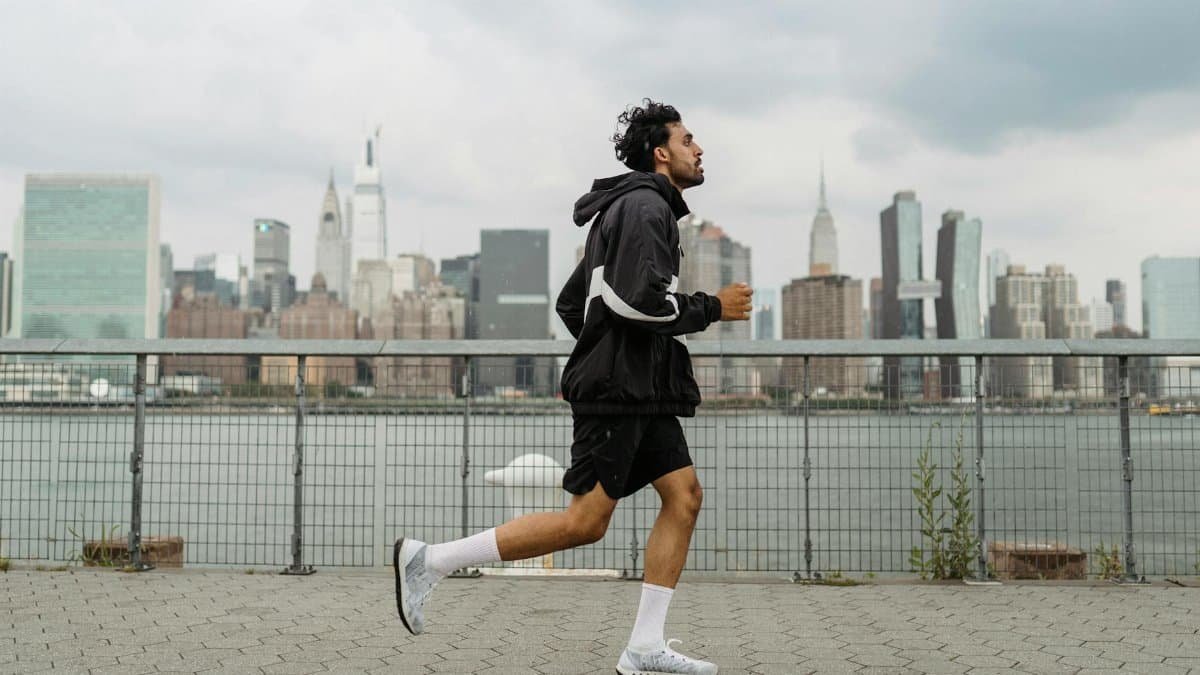
Brooklyn as a Canvas for Self-Reflection
Performance as a Tool for Unpacking Identity
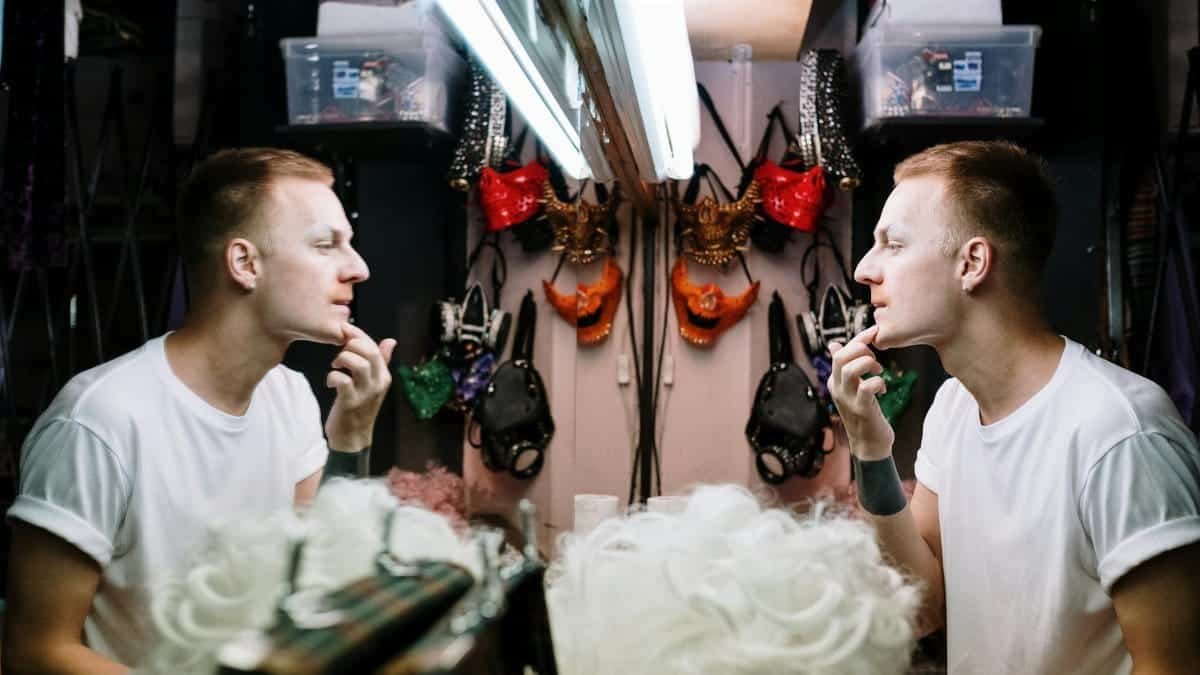
The core of this collective’s work lies in using performance art to dissect identity. Each piece is carefully crafted to strip away superficial layers, exposing the raw interplay between individual perception and societal expectation. Actors might embody exaggerated personas or engage directly with the audience, breaking the fourth wall to challenge preconceived notions. This isn’t passive entertainment; it’s an active dialogue, forcing attendees to grapple with how much of their identity is truly their own.
The Ego Under the Spotlight

Central to the collective’s mission is a deep dive into the ego—the part of us that shapes self-image and often drives conflict. Their performances might depict internal battles through surreal choreography or stark, minimalist scenes that highlight isolation. The ego, as they present it, isn’t just a personal flaw but a cultural construct, amplified by social media and modern life. This focus resonates in a world increasingly obsessed with self-presentation, making their work strikingly relevant in 2025.
Audiences as Active Participants
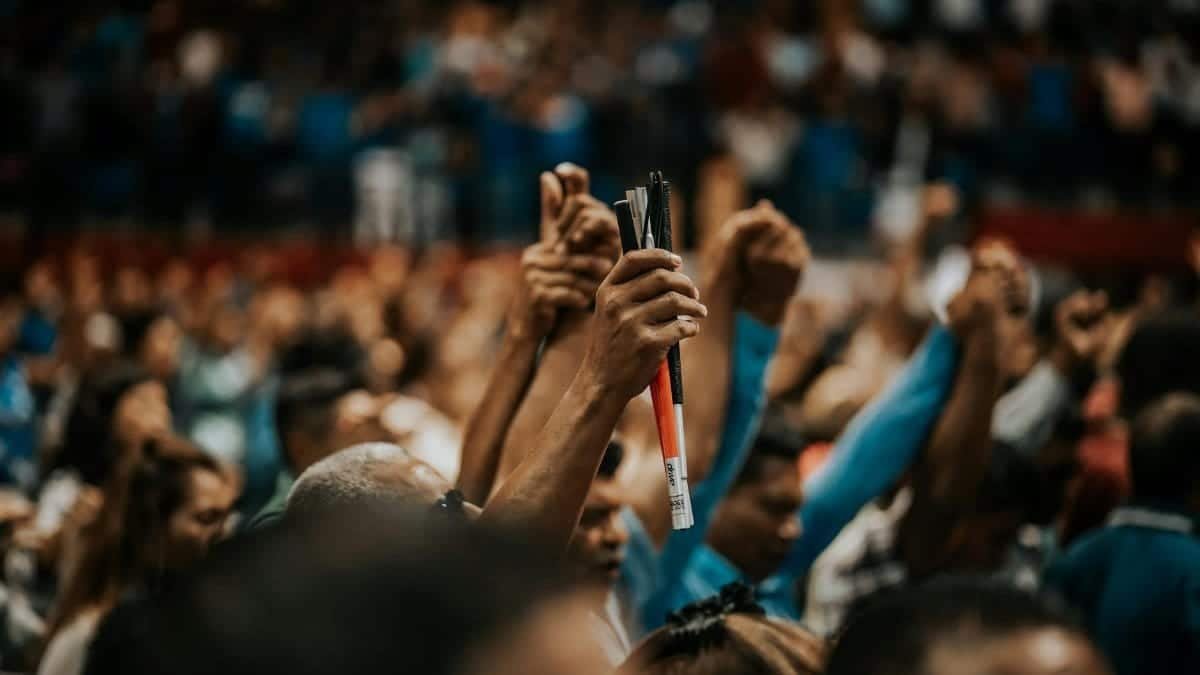
Unlike traditional theater, this Brooklyn group blurs the line between performer and spectator. Audiences aren’t just observers; they’re often pulled into the narrative, asked to respond or even influence the direction of a piece. This interactive element heightens the impact, as attendees confront their own egos in real time. It’s a risky approach, but one that leaves a lasting impression, turning a night of art into a personal reckoning for many who experience it.
Challenging Societal Constructs Through Art

Beyond personal reflection, the collective targets broader societal constructs that shape how we see ourselves. Their performances often critique consumerism, gender norms, or the pressure to conform, using the ego as a lens to expose these influences. A single piece might juxtapose chaotic group dynamics with moments of solitary vulnerability, illustrating how external forces mold internal identity. This layered storytelling sparks conversations that extend far beyond the performance space, echoing through Brooklyn’s creative circles.
Why This Movement Matters Now
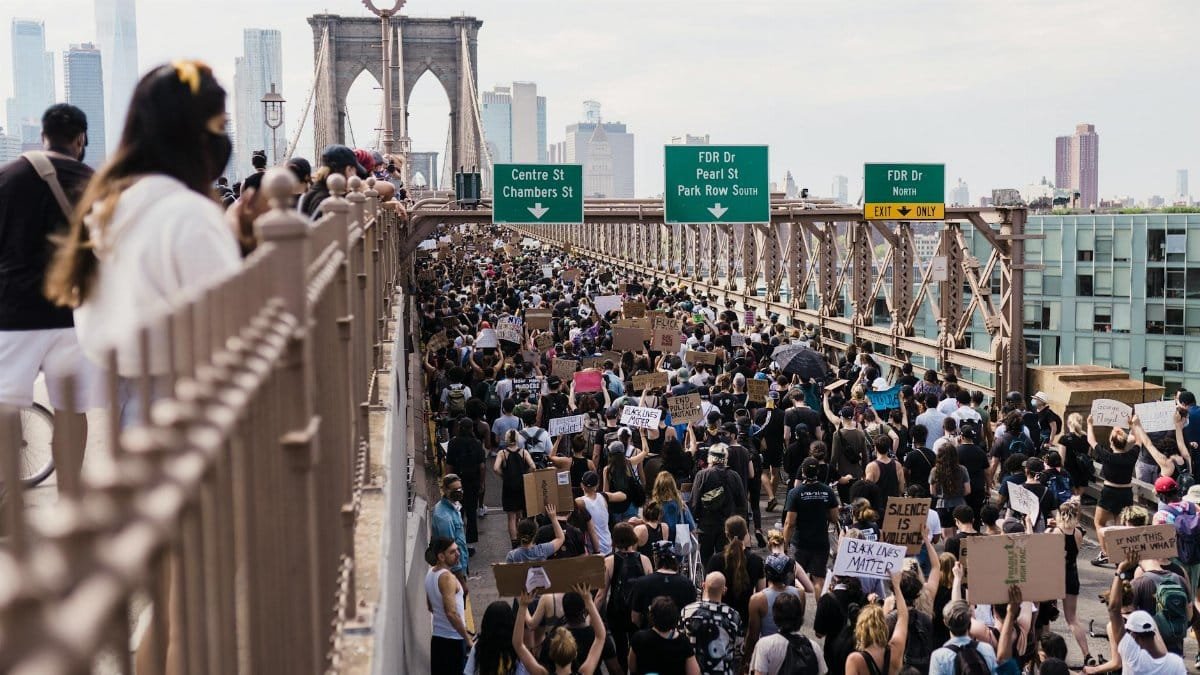
In an era where self-awareness is both a buzzword and a necessity, performance art ego Brooklyn offers a visceral way to engage with these themes. The collective’s work aligns with growing U.S. trends toward mindfulness and mental health, providing a creative outlet for exploring complex emotions. As reported by organizations like Pew Research, interest in personal growth continues to rise among younger generations. Similarly, resources from National Institute of Mental Health highlight the value of expressive arts in processing identity and stress. This group’s performances are a timely contribution to that dialogue.
A Growing Influence in the Art World

While still emerging, the collective is already influencing Brooklyn’s art scene and beyond. Their performances draw diverse crowds, from local artists to curious newcomers, all eager to engage with art that feels urgent and personal. Word of their thought-provoking shows is spreading, positioning them as a potential catalyst for broader discussions about ego and identity in contemporary art. As they continue to refine their craft, their impact could reshape how performance art is used to explore the human condition.