
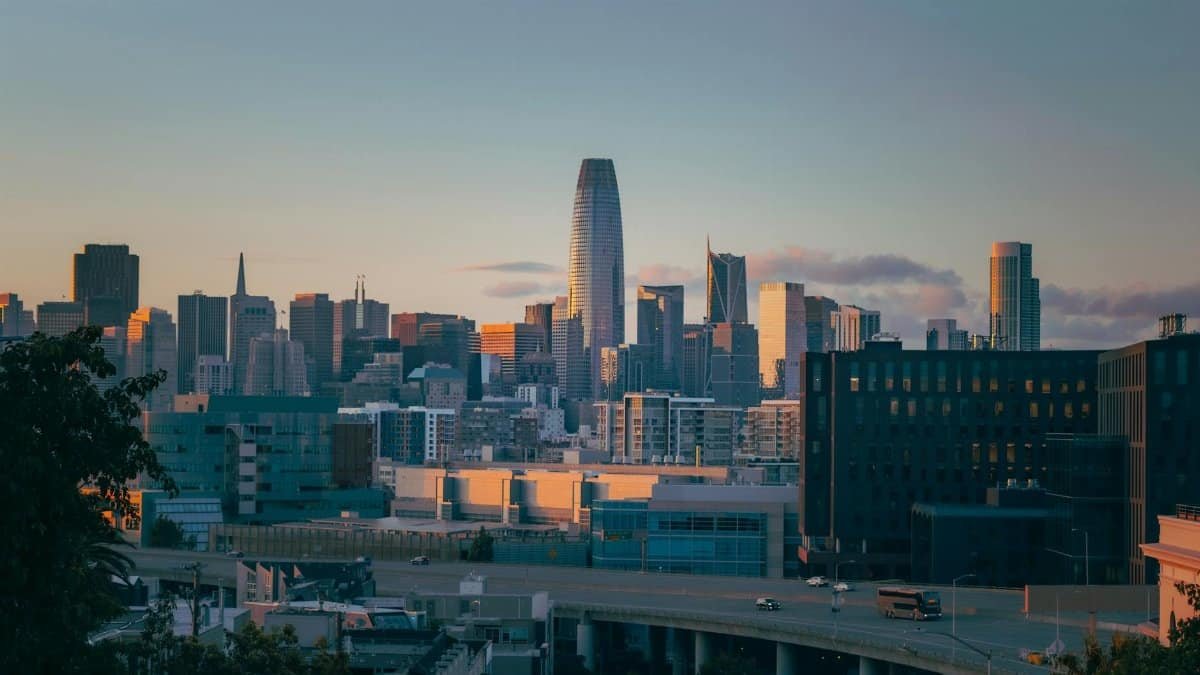
In the bustling suburbs of San Antonio, a quiet transformation is underway. Yoga studios and wellness centers are expanding their offerings, with breathwork sessions popping up in unexpected places like community parks and corporate break rooms. This surge reflects a broader cultural shift toward mindfulness practices amid rising stress levels. People from all walks of life are seeking what many describe as breathing clarity calm, that elusive state where deep, intentional breaths clear the mental fog and usher in a profound sense of peace. As workplace demands intensify and daily life accelerates, this trend is gaining momentum, drawing in middle-aged professionals eager for respite. A recent survey highlights how such practices are becoming mainstream, with participation rates climbing steadily in Texas cities. It’s not just a fad; it’s a response to the relentless pace of modern existence, promising tools for better emotional regulation and focus.
The Roots of Breathwork in Texas

Breathwork isn’t new, but its popularity in places like San Antonio stems from a blend of ancient traditions and contemporary needs. Drawing from practices like pranayama in yoga and modern adaptations by figures such as Wim Hof, these techniques emphasize controlled breathing to influence the nervous system. In Texas, where the heat and hustle can amplify tension, locals are turning to retreats that promise breathing clarity calm as a counterbalance.
Consider a group of office workers gathering at a ranch outside the city. They arrive frazzled from commutes and deadlines, but after an hour of guided exercises, their postures relax, faces soften. One participant, a marketing manager in her forties, shares how the session helped her navigate a tough week. “It was like flipping a switch,” she says, her voice steady. This kind of transformation underscores why demand is spiking.
Studies back this up. Research from the National Institutes of Health shows that breathwork can reduce anxiety by modulating the autonomic nervous system.NIH Study on Breathing Techniques details how slow breathing activates the parasympathetic response, leading to calm. In San Antonio, with its growing tech and military sectors, such benefits resonate deeply.
Why San Antonio is Primed for Growth
San Antonio’s unique mix of cultural heritage and modern expansion makes it fertile ground for breathwork retreats. The city’s vibrant Latino influences blend with a burgeoning wellness scene, creating spaces where traditional healing meets evidence-based practices. As remote work blurs boundaries, residents report higher burnout, fueling interest in accessible mental health tools.
Picture a weekend retreat at a hill country venue, where participants practice box breathing amid wildflowers. The air carries hints of mesquite, grounding the experience. Organizers note a 30% uptick in sign-ups over the past year, driven by word-of-mouth and social media buzz. This isn’t isolated; national trends mirror it.
According to a report from the American Psychological Association, stress levels among U.S. adults have risen, with work cited as a primary culprit.APA Stress in America Survey reveals that over 70% of respondents experience physical symptoms from stress. In response, breathwork offers a low-barrier entry to wellness, especially in a city like San Antonio where community ties run deep.
Yet, growth isn’t without hurdles. Some retreats face zoning issues in rural areas, but advocates push forward, seeing the potential for economic boost through tourism.
Workplace Stress Driving the Demand

Amid corporate America’s push for productivity, employees in San Antonio are feeling the squeeze. Long hours in industries like healthcare and finance leave little room for recovery. Breathwork retreats emerge as a practical antidote, teaching techniques that foster breathing clarity calm during high-pressure moments.
One executive recalls implementing quick breathing exercises before meetings. “It clears the noise,” he explains, describing how it sharpens focus without needing hours away from the desk. Such stories are common in online discussions, where users anonymously share how these practices salvage their workdays.
A study from Harvard Medical School supports this, linking mindful breathing to improved cognitive function.Harvard Health on Breath Control explains how it reduces cortisol, the stress hormone. For middle-aged workers juggling careers and family, this translates to better balance.
The trend extends to companies offering on-site sessions, recognizing the ROI in employee well-being. Still, skeptics question if it’s just another wellness gimmick, prompting deeper looks at long-term efficacy.
Public Interest in Mental Wellness

Beyond the office, a wider societal embrace of mental health is propelling breathwork forward. In 2025, with awareness campaigns normalizing therapy and self-care, San Antonio residents are exploring retreats as part of a holistic approach. This interest spikes among those in their forties and fifties, seeking sustainable ways to manage life’s transitions.
At a local center, a diverse group practices holotropic breathing, each person chasing that moment of clarity. Laughter erupts as tensions release, building camaraderie. It’s these connections that keep people coming back, turning one-off experiences into habits.
Data from the Centers for Disease Control and Prevention indicates rising mental health concerns post-pandemic.CDC Mental Health Resources highlight breathing as a key coping strategy. In Texas, where access to traditional therapy can be limited, retreats fill a vital gap.
Critics argue that not all programs are regulated, urging caution. But for many, the benefits outweigh the risks, fostering a community around shared pursuit of calm.
Challenges in Expanding Retreats

As demand grows, so do obstacles. Finding suitable venues near San Antonio means navigating land availability and permitting processes. Some retreats opt for urban settings, adapting to hotel conference rooms, while others venture into the countryside for immersion.
A facilitator describes the logistics: sourcing qualified instructors, ensuring safety protocols, and marketing to a skeptical audience. “It’s rewarding, but exhaustive,” she admits. Despite this, projections for 2025 show continued expansion, with new centers planned.
Environmental factors play a role too. Texas summers demand indoor options, prompting innovations like virtual sessions. Yet, the core appeal remains in-person connection, where breathing clarity calm feels most tangible.
Research from Pew Research Center on wellness trends underscores this shift toward experiential health.Pew Research on Wellness Trends notes increasing investment in mind-body practices among Americans.
Personal Stories of Transformation
Real change often starts with individual journeys. Take a teacher who attended her first retreat after a burnout episode. Through guided sessions, she discovered how rhythmic breathing unlocked mental space, allowing creativity to flow again. “I left with tools I use daily,” she reflects.
Another account, shared in a public online forum, details a veteran’s experience: struggling with PTSD, he found solace in breathwork, describing it as “breathing clarity calm that silenced the chaos.” These narratives humanize the trend, showing its reach beyond statistics.
Experts from the Mayo Clinic affirm such outcomes, linking breathwork to emotional resilience.Mayo Clinic on Relaxation Techniques provides practical guides, emphasizing consistency for lasting effects.
Looking Ahead to Broader Impacts

As breathwork retreats proliferate near San Antonio, their influence could ripple into education and healthcare. Schools might incorporate simple exercises to help students focus, while clinics integrate them for patient stress management.
Community leaders envision partnerships with local businesses, creating a wellness ecosystem. In 2025, this could mean more inclusive programs, reaching underserved populations.
Yet, equity remains key. Not everyone can afford retreats, sparking calls for free community sessions. The goal: make breathing clarity calm accessible to all, turning a growing trend into a lasting cultural staple.
A final study from the Journal of the American Medical Association reinforces the potential.JAMA on Mind-Body Interventions discusses their role in preventive health, pointing to a future where such practices are commonplace.
Innovations Shaping the Future

Technology is enhancing breathwork, with apps guiding users through sessions at home. In San Antonio, retreats blend these tools with live instruction, appealing to tech-savvy crowds.
One innovator experiments with biofeedback devices, helping participants visualize their progress toward breathing clarity calm. This fusion of old and new keeps the practice evolving.
Amid this, questions arise about commercialization. Purists worry it dilutes authenticity, but proponents see it as democratization. Balancing both will define the path ahead.