
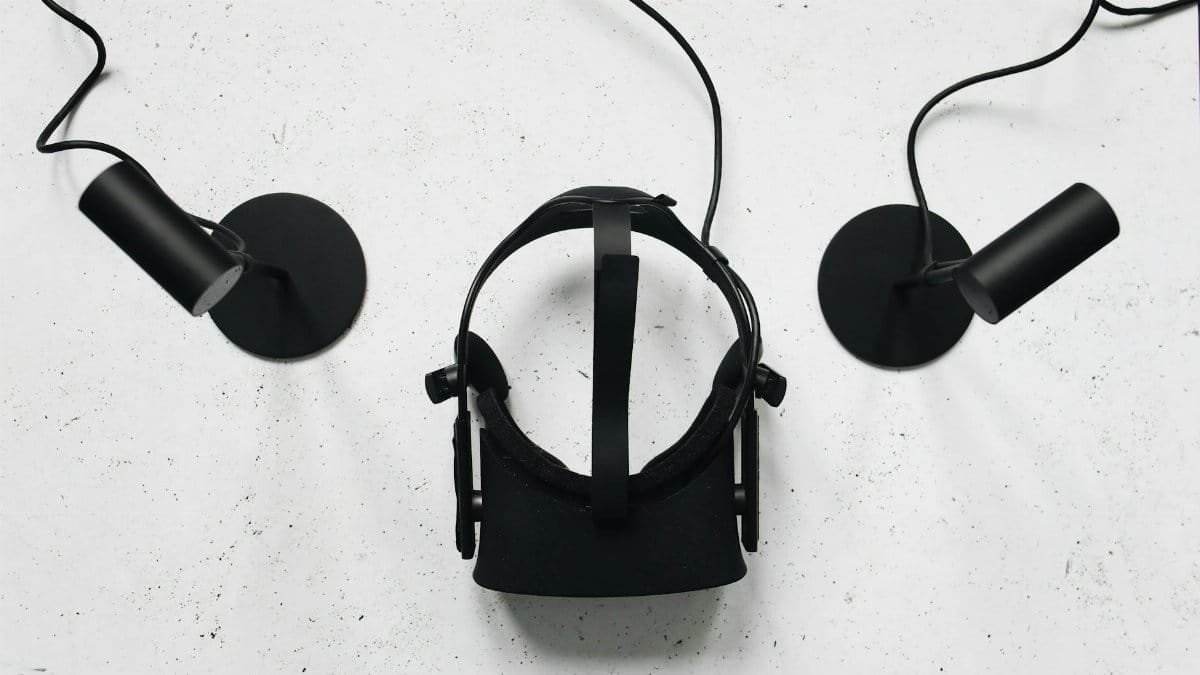
Imagine a world where a simple exhale could melt away the day’s stress, guided by a virtual landscape that shifts with every breath. This isn’t science fiction—it’s the emerging reality of breath VR therapy, a technology blending virtual reality with biofeedback to tackle anxiety. Across the U.S., from bustling cities to quiet suburbs, more people are turning to these immersive tools, seeking relief in a society where nearly 40% of adults report anxiety symptoms annually, according to the National Institute of Mental Health. These VR experiences, often paired with exhale sensors, adapt in real time to a user’s breathing patterns, promising a personalized path to calm. But how effective are they really? And what does this fusion of tech and mindfulness mean for mental health in 2025?
Unpacking Breath VR Therapy: How It Works
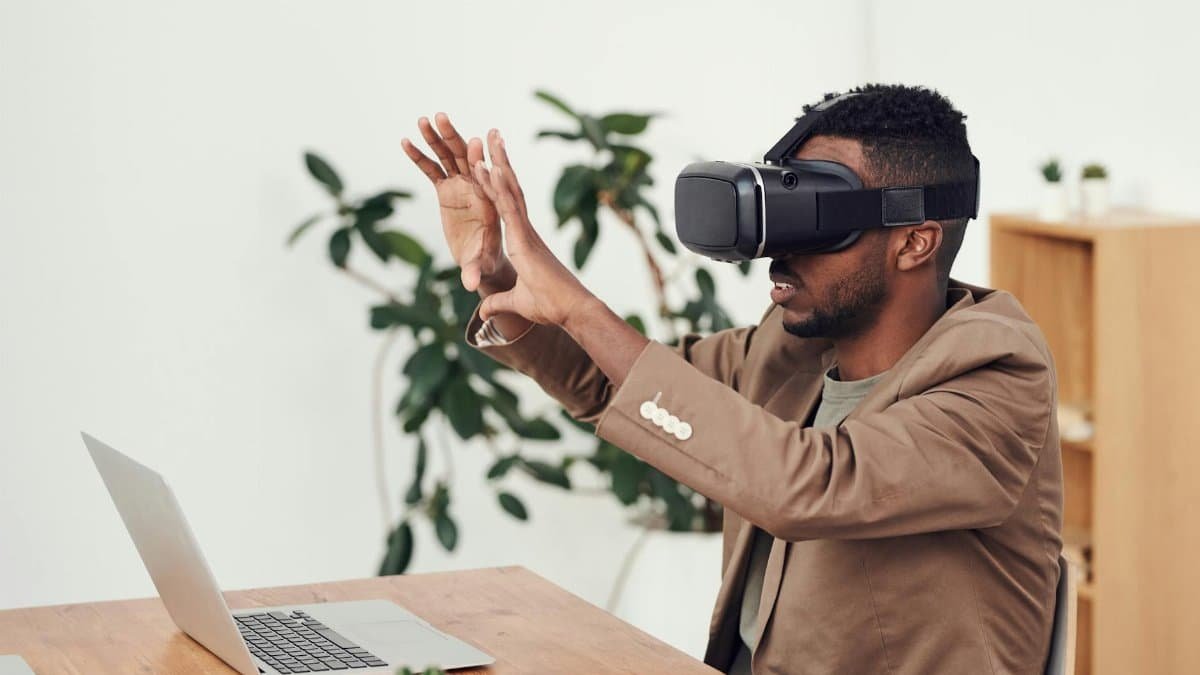
At its core, breath VR therapy uses wearable sensors to track breathing rhythms, syncing them with virtual environments that respond to each inhale and exhale. Picture a serene forest in a headset: breathe slowly, and the trees sway gently; rush your breath, and clouds gather ominously. The goal is to guide users toward slower, deeper breathing, a technique long tied to stress reduction. Companies like Healium and TRIPP have pioneered apps that integrate these exhale sensors, often worn as a chest strap or headset add-on, to provide real-time feedback. A 2021 study from the Frontiers in Psychology found that biofeedback-based VR can lower heart rates in as little as five minutes. Yet, the tech isn’t flawless—sensors can misread shallow breaths, disrupting the experience. Still, for many, the novelty of seeing their breath shape a digital world feels like a game-changer.
The Anxiety Epidemic: Why This Matters Now
Americans are grappling with anxiety at staggering rates. The hustle of modern life—endless notifications, financial pressures, and social comparison—has left millions on edge. Data from the Centers for Disease Control and Prevention shows mental health challenges spiking post-pandemic, with younger adults and middle-aged parents hit hardest. Traditional therapies, while effective, often carry stigma or long waitlists. Enter breath VR therapy, a discreet, at-home option that feels less like treatment and more like play. One user, speaking anonymously in online discussions, described slipping on a headset after a grueling workday: “It’s like stepping into a bubble where the chaos can’t touch me.” In 2025, as hybrid work and digital overload persist, such tools could fill a critical gap for those hesitant to seek formal help.
The Science Behind Breathing and Calm
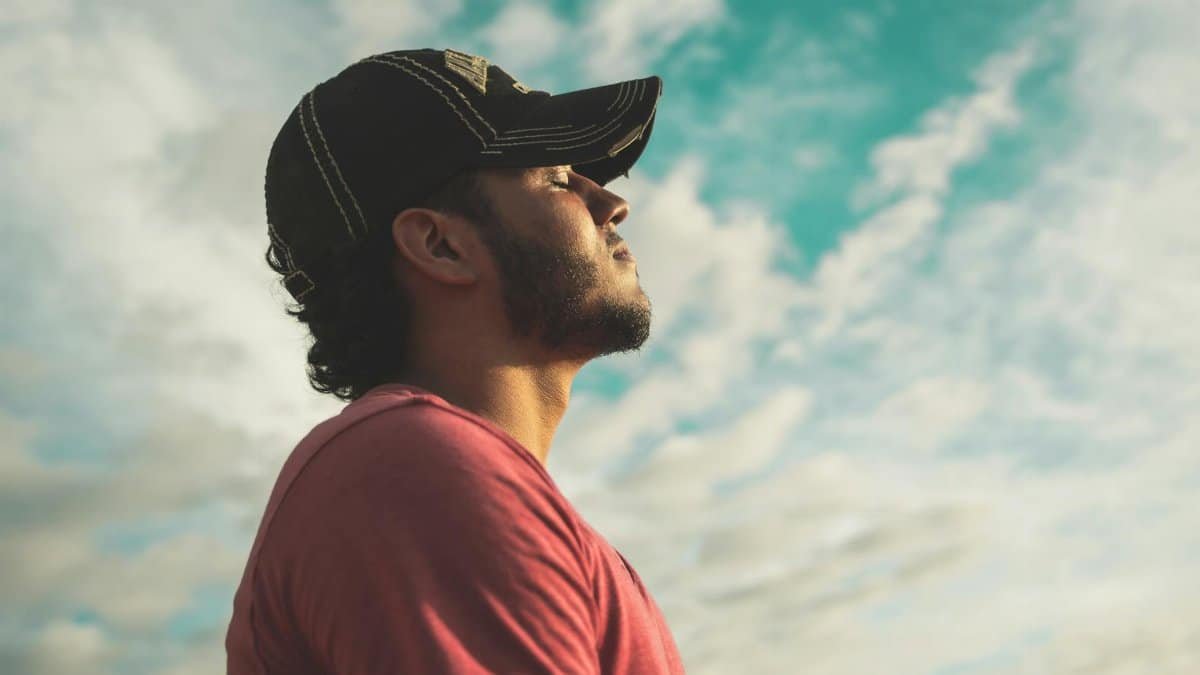
Why does breathing hold such power over our mental state? Physiologically, slow, deliberate breaths activate the parasympathetic nervous system, signaling the body to relax. It’s an ancient mechanism, harnessed for centuries in practices like yoga and meditation. Breath VR therapy amplifies this by adding visual cues, making the abstract act of “calming down” tangible. Research from the National Library of Medicine highlights that controlled breathing can reduce cortisol levels, a key stress hormone. In VR, when a user sees their breath lower a stormy sea to a glassy calm, the brain registers a sense of control. Critics, though, question if the effect lasts beyond the headset. Does a 10-minute session translate to real-world resilience? The jury’s still out, but early signs point to short-term relief at the very least.
Accessibility and Cost: Who Can Use It?

For all its promise, breath VR therapy isn’t a universal fix. High-end VR setups like the Oculus Quest, often required for these apps, start at $300, not counting subscription fees for platforms like TRIPP, which can run $10 monthly. Sensors add another $50 to $100. For middle-aged Americans on tight budgets—already juggling mortgages or college savings—this can feel out of reach. Community centers and libraries in cities like Seattle and Chicago have begun offering VR mental health stations, but availability is spotty. Age also plays a role; older users sometimes struggle with headset discomfort or tech unfamiliarity. On the flip side, younger adults, already VR-savvy, are adopting it faster. Bridging this gap in 2025 will likely depend on cheaper hardware or insurance coverage—a long shot, but not impossible.
Real Stories, Real Impact
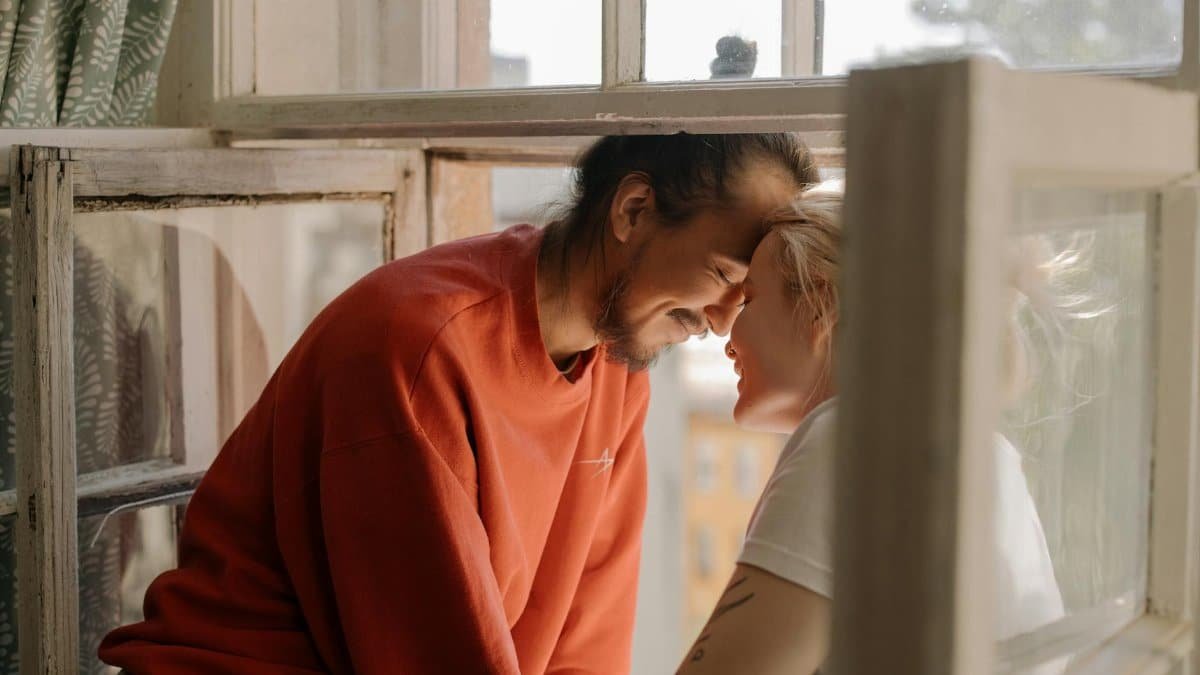
Beyond the data, the human side of breath VR therapy shines through in small, vivid moments. Take the case of a 45-year-old teacher from Ohio, shared anonymously in a public forum. After months of panic attacks triggered by classroom stress, she tried a breath-guided VR app. “The first time I saw my breathing turn a dark sky bright, I cried,” she recalled. “It felt like I’d done something right.” Her sessions, just 15 minutes a day, didn’t erase anxiety entirely but gave her a tool to pause. Stories like hers aren’t universal—some users report nausea from VR or frustration with glitchy sensors—but they hint at a deeper truth: technology, when it works, can make the intangible battle with anxiety feel winnable, if only for a moment.
Limitations and Skepticism: What’s Holding It Back?
Not everyone is sold on breath VR therapy as a silver bullet. Mental health professionals caution against over-reliance on tech, pointing out that it can’t replace human connection or therapy’s deeper work. Dr. Sarah Kline, a psychologist cited in recent studies, argues that while biofeedback helps, it risks becoming a crutch if users avoid addressing anxiety’s root causes. Technical hiccups also frustrate: sensors misfire, headsets overheat, and not all apps suit every breathing style. Then there’s the question of long-term efficacy. A review by the American Psychological Association notes that while VR shows promise for phobias, data on sustained anxiety reduction remains thin. For now, it’s a tool, not a cure—and users should tread with eyes open.
Blending Tech With Tradition: A New Mindfulness?
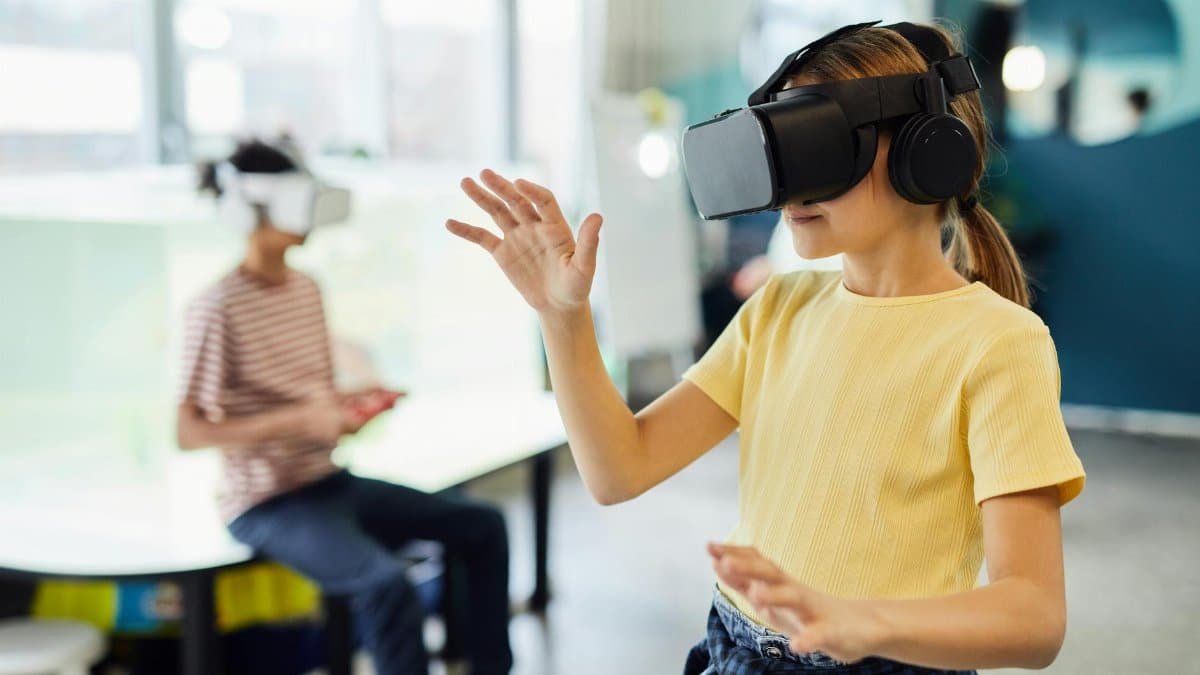
Breath VR therapy sits at a curious intersection of ancient wisdom and cutting-edge innovation. Mindfulness practices have long centered on breath as a gateway to presence, but VR adds a layer of interactivity that feels distinctly 21st-century. Imagine a guided meditation where the guru isn’t a voice but a responsive world, coaxing you to slow down with every visual shift. Some purists balk at this, claiming it distracts from true introspection. Others see it as evolution—a way to meet people where they are, glued to screens yet craving calm. As developers refine these tools, the balance between gimmick and genuine aid will define their place in mental health. Could this hybrid approach reshape how we think about self-care in 2025? It’s a question worth breathing into.
Looking Ahead: Potential and Possibilities

As breath VR therapy gains traction, its future feels ripe with possibility. Developers are already experimenting with AI to personalize sessions further, adapting not just to breath but to mood inferred from voice or posture. Schools might integrate it for stressed teens; workplaces could offer it as a wellness perk. Yet, ethical concerns loom—data privacy around biometric feedback is murky, and over-dependence on tech for emotional regulation raises red flags. Still, for a nation wrestling with mental health challenges, this could be one piece of a larger puzzle. It won’t solve everything. But for those who’ve felt powerless against anxiety, a virtual exhale that shifts a digital horizon might just offer a sliver of hope, a reminder that calm is within reach, one breath at a time.