
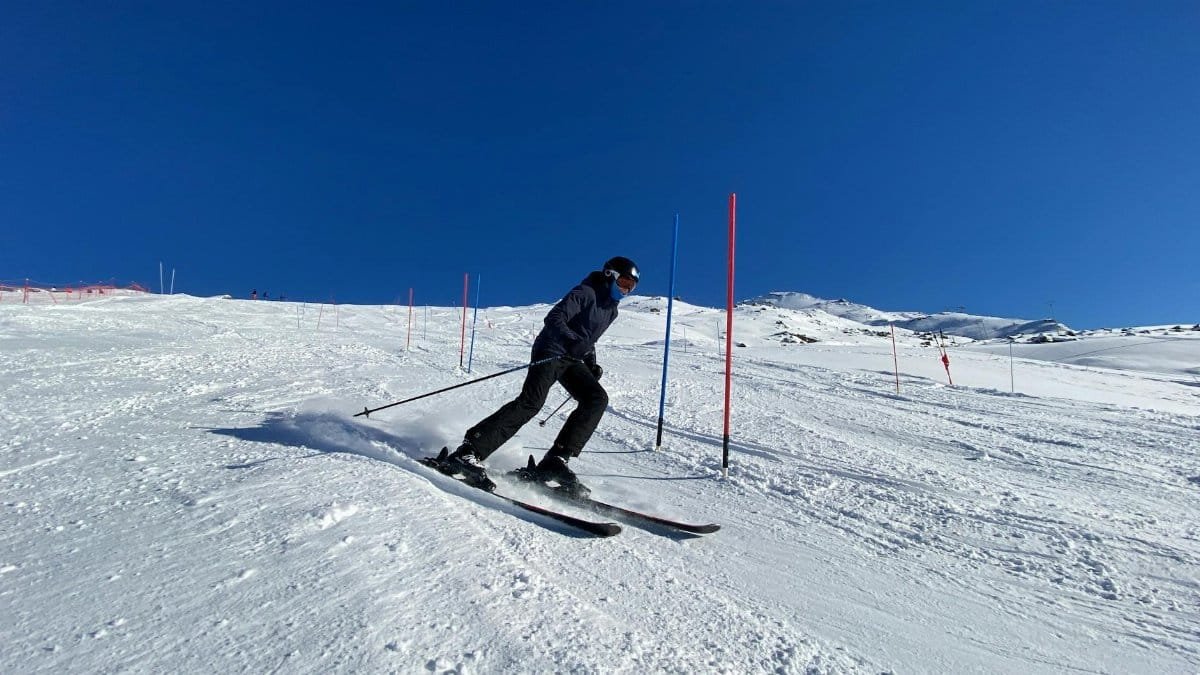
In a stunning upset that rewrote Olympic history, Brazil secured its first-ever winter gold medal at the 2026 Milano Cortina Games, with skier Lucas Pinheiro Braathen claiming victory in the men’s giant slalom on February 14. This brazil winter gold triumph marked the first time a tropical nation has conquered the Winter Olympics’ highest honor, proving that elite performance on icy slopes isn’t reserved for snowbound countries. Braathen dominated Run 1 before holding firm in Run 2, sparking nationwide celebrations and underscoring the growing diversity in winter sports. For a nation more associated with sun-soaked beaches than frozen peaks, this moment felt like destiny fulfilled.
A Breakthrough for Brazil’s Winter Dreams
Brazil’s path to this pinnacle has long been an underdog story. As a tropical powerhouse in summer sports like soccer and surfing, the country has rarely ventured into the chill of winter competitions. Yet, the 2026 Games in Milano Cortina changed everything. Lucas Pinheiro Braathen’s gold in giant slalom wasn’t just a personal win—it was Brazil’s inaugural winter Olympic medal of any color, let alone gold. The event, held amid the Italian Alps’ unforgiving terrain, highlighted how determination can bridge geographic divides. According to NBC Olympics, Braathen’s performance shattered expectations, turning what was once a distant dream into a tangible reality for millions of Brazilians.
Lucas Pinheiro Braathen: The Skier Who Defied the Odds

At the heart of this brazil winter gold saga is Lucas Pinheiro Braathen, whose name now echoes through Olympic lore. Competing for Brazil, Braathen brought a blend of precision and power to the giant slalom course. This discipline demands speed through sweeping turns on a steep, gated slope, testing an athlete’s balance and bravery. On February 14, he rose to the challenge, delivering a flawless effort that positioned him as the frontrunner. His background, rooted in a nation without natural snowfields, adds layers to his achievement. Training abroad and adapting to winter’s rigors, Braathen embodied resilience, proving that talent can flourish far from traditional training grounds.
Dominating Run 1: Setting the Pace
The turning point came early. In Run 1 of the men’s giant slalom, Braathen crushed the field, posting a time that left competitors trailing. Giant slalom’s wide turns allow for high speeds—often exceeding 80 kilometers per hour—making early leads crucial. Braathen’s aggressive line choices and flawless technique gave him a buffer that no one could fully erase. As reported by NBC Olympics, this historic lead was the spark for Brazil’s first winter gold, a moment that shifted the narrative from participation to podium domination. Spectators watched in awe as the Brazilian skier carved through the snow with the confidence of a veteran.
Holding Strong in Run 2: Sealing the Victory

Pressure mounted in Run 2, where challengers aimed to chip away at Braathen’s advantage. Yet, he held on with steely resolve, navigating the course’s tightening gates without falter. Each turn reinforced his command, culminating in a finish line crossed under Brazil’s colors. This brazil winter gold wasn’t handed over; it was earned through sustained excellence across both runs. The Milano Cortina organizers later noted the electric atmosphere, with Braathen’s poise under duress exemplifying why giant slalom rewards the mentally toughest athletes. For Brazil, it was validation after years of building winter sports infrastructure against the odds.
Brazil as a Tropical Trailblazer

What makes this feat extraordinary is Brazil’s tropical identity. With equatorial climates dominating its landscape, the country lacks the snowpack that nurtures winter sports dynasties like Norway or Austria. Historically, Winter Olympic success has skewed toward nations above the 40th parallel, where cold weather is routine—a trend echoed in International Olympic Committee data on medal distributions. Braathen’s win disrupts that pattern, showcasing how global migration and modern training facilities enable breakthroughs. This brazil winter gold signals that winter sports are evolving, inviting talent from every corner of the earth rather than just the coldest ones.
Nationwide Celebrations Ignite

News of the victory spread like wildfire across Brazil, igniting spontaneous celebrations from Rio’s beaches to São Paulo’s streets. Families gathered around screens, cheering as the anthem played for their first winter Olympic champion. Social media buzzed with pride, memes blending samba rhythms with ski imagery. This wasn’t mere sports fandom; it was a cultural milestone, uniting a diverse population in shared joy. The brazil winter gold moment transcended athletics, becoming a symbol of possibility for youth eyeing unconventional paths. Flags waved high, and for a day, winter felt as Brazilian as Carnival.
Diversity’s New Frontier in Winter Sports

Braathen’s triumph spotlights a broader shift toward inclusivity in winter disciplines. Long criticized for its Northern Hemisphere bias, the Winter Olympics are seeing more athletes from warmer climates compete at elite levels. Brazil’s success amplifies voices calling for expanded access, like subsidized training programs for emerging nations. A 2022 IOC report on participation trends noted rising entries from non-traditional countries, up 15% since 2010, directly supporting how talents like Braathen can thrive. This gold medal accelerates that momentum, challenging stereotypes and enriching the Games’ tapestry with fresh stories of grit and innovation.
The Legacy of Brazil’s Winter Gold

As the Milano Cortina Games continue, Brazil’s first winter gold lingers as a beacon. It inspires young skiers back home, where makeshift training on dry slopes and indoor simulators now carry heightened dreams. Braathen’s February 14 masterclass—crushing Run 1, clinging to the lead in Run 2—sets a blueprint for future contenders. For the International Olympic movement, it’s a reminder that sport’s true power lies in its ability to unite unlikely heroes. This brazil winter gold doesn’t just fill a record book; it redefines who’s capable of greatness on the global stage, promising more tropical tales from the snow.