

In the remote lakes and forests of northern Minnesota paddlers on extended trips suddenly received orders to leave their campsites behind. Flames from distant wildfires moved closer each hour forcing a rapid response from officials. The Boundary Waters Evacuation disrupted plans for hundreds of visitors who sought calm waters instead of chaos. Many turned toward the small town of Ely where local residents opened doors and offered supplies during summer 2026. This event highlighted both the power of nature and the strength of community ties in times of uncertainty.
Forest Service Directives Shape the Response

Officials with the Forest Service acted swiftly once reports confirmed active fire spread. They issued a complete closure of the wilderness area to protect lives and reduce risks for rescue teams. Paddlers received clear guidance on exit routes that avoided the most threatened zones. Coordination with local law enforcement ensured boats and gear could be secured at designated points. Such measures prevented further incidents while allowing time for assessment of burned areas.
Community Support Emerges in Ely

Residents in Ely welcomed displaced paddlers with open arms and practical help. Hotels and lodges filled quickly yet many families offered spare rooms or garage space for tents and canoes. Volunteers prepared meals using local ingredients to feed those who arrived hungry after long portages. Churches and community centers became gathering spots where stories of the sudden departure were shared. This outpouring reflected long standing traditions of hospitality in the North Woods region.
Challenges Faced by Outdoor Enthusiasts

Paddlers described the abrupt end to their journeys as both disappointing and unsettling. Some had traveled great distances to experience solitude only to pack up within hours. Gear left behind required later retrieval once conditions improved. Navigation apps and radio updates became essential tools during the retreat. Despite the stress most expressed gratitude for the quick actions that kept everyone safe.
Wildfire Patterns and Regional Impact
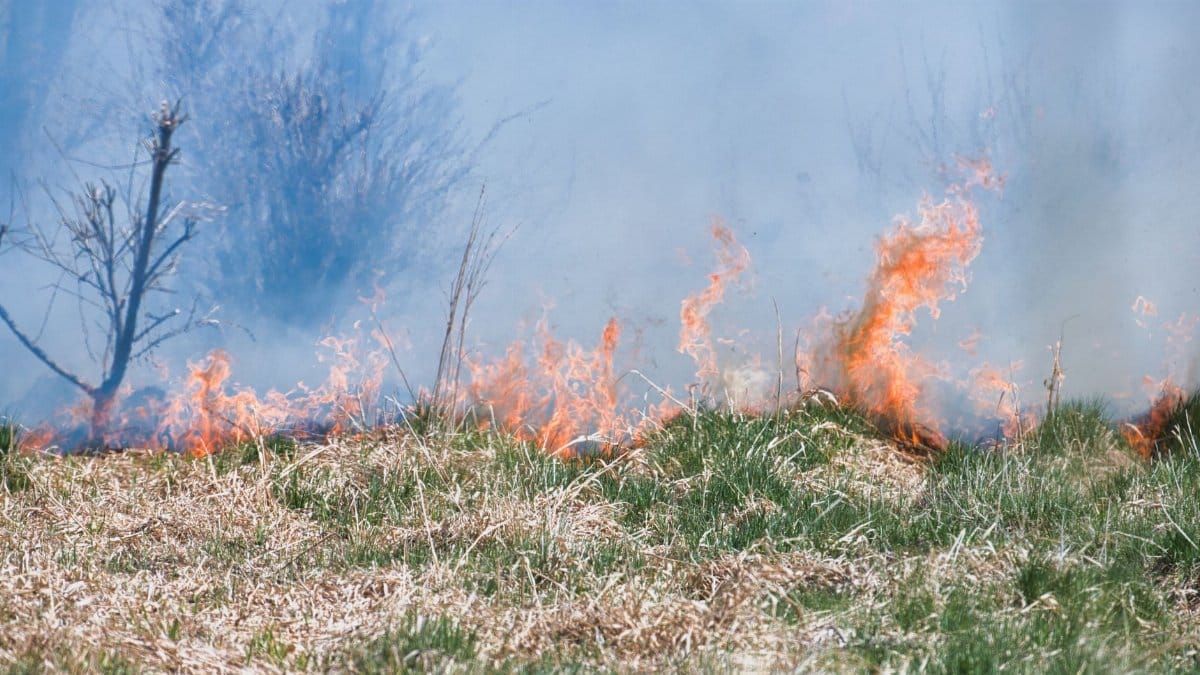
Dry conditions throughout the season contributed to the rapid growth of fires near the wilderness boundary. Smoke drifted across lakes affecting air quality for those still in the area. Scientists note that such events may occur more often as climate patterns shift. The closure affected tourism revenue for businesses that rely on summer visitors. Recovery efforts now focus on trail maintenance and habitat restoration in affected zones.
Historical Context of Wilderness Protection
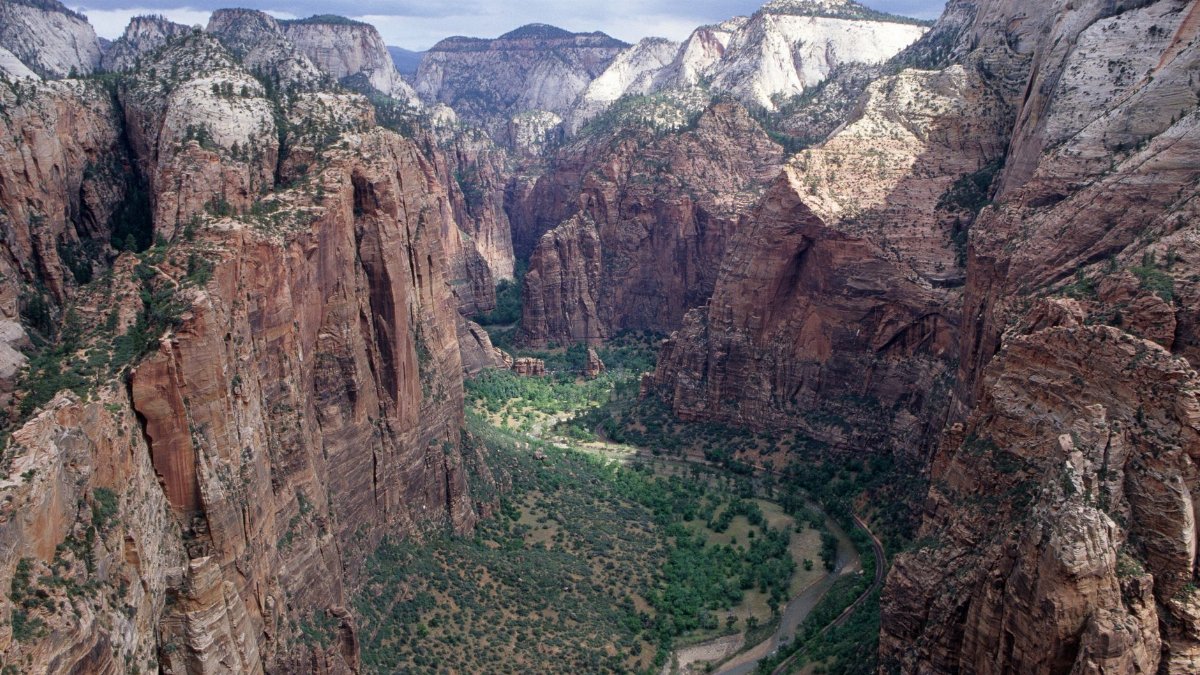
The Boundary Waters area has long held protected status to preserve its unique ecosystem. Past evacuations occurred during earlier fire seasons yet the scale this year drew wider attention. Advocacy groups continue to push for increased funding toward prevention and monitoring programs. These efforts aim to balance public access with safety protocols in remote locations. Lessons from the current situation may inform future planning documents.
Economic Effects on Local Businesses

Outfitters and guide services in Ely saw immediate cancellations following the closure announcement. Revenue losses mounted as groups turned back or postponed trips until the following season. Some operators shifted focus to alternative activities such as fishing on nearby lakes outside the restricted zone. State tourism officials began promoting the town itself as a destination for those seeking a base during recovery. Over time these adaptations may strengthen economic resilience.
Personal Accounts from Those Evacuated

One paddler recounted watching smoke rise over a ridge while loading a canoe at dawn. Another described the relief of reaching a ranger station after hours on the water. Families with children emphasized the importance of clear communication from authorities. These narratives reveal the human side of an event often reduced to statistics in official reports. Shared experiences fostered bonds among strangers who traveled together to safety.
Future Preparedness Measures Under Review

Authorities plan to evaluate communication systems used during the Boundary Waters Evacuation. Improved early warning technology could provide more notice in similar situations. Training exercises involving multiple agencies may expand to cover larger territories. Public education campaigns will encourage visitors to carry extra supplies and monitor conditions daily. Such steps seek to minimize disruption while maintaining the appeal of the wilderness.