
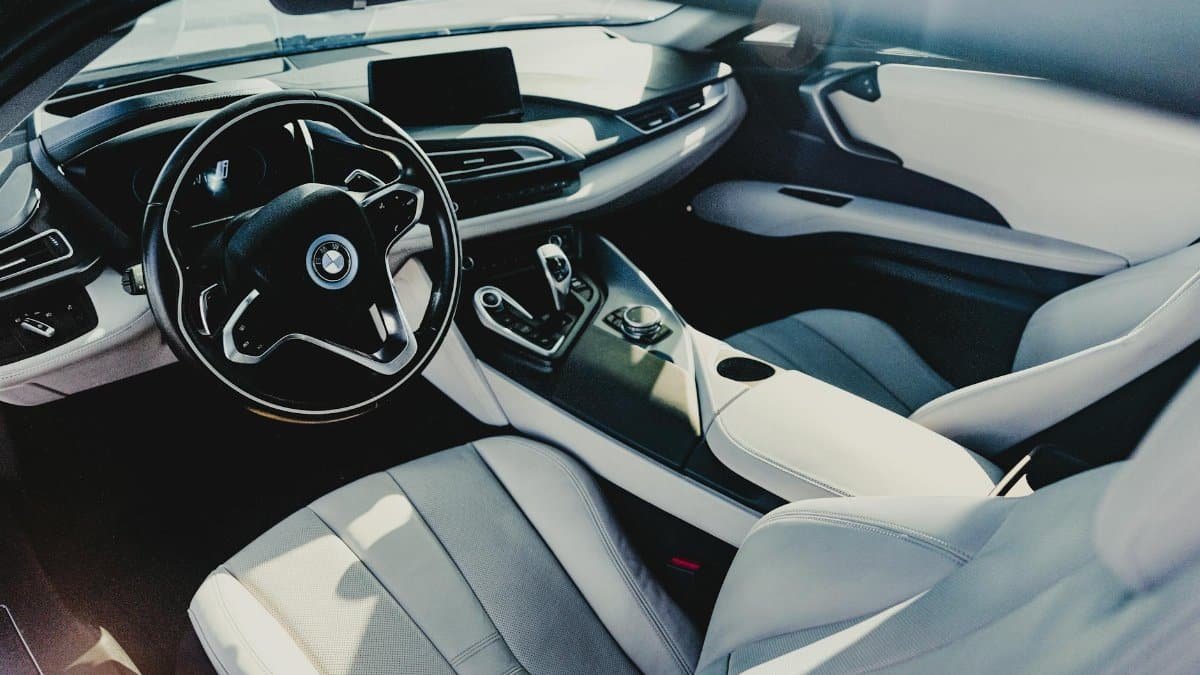
Picture this: a crisp winter morning in Munich, a driver fires up the engine of a gleaming new BMW, only to discover that the heated seats—installed right there in the factory—demand an extra $18 a month to thaw out. This wasn’t a dystopian novel; it was BMW’s bold foray into the “bmw heated seat subscription,” a microtransaction model that turned car ownership into a perpetual lease on comfort. But after a firestorm of ridicule from drivers worldwide, the German automaker has backpedaled, scrapping plans to charge for hardware already bolted into vehicles. The saga reveals deeper tensions in an industry racing toward software-defined cars, where consumers increasingly resent paying rent on features they thought they bought outright.
The Subscription Surge in Automotive Comfort
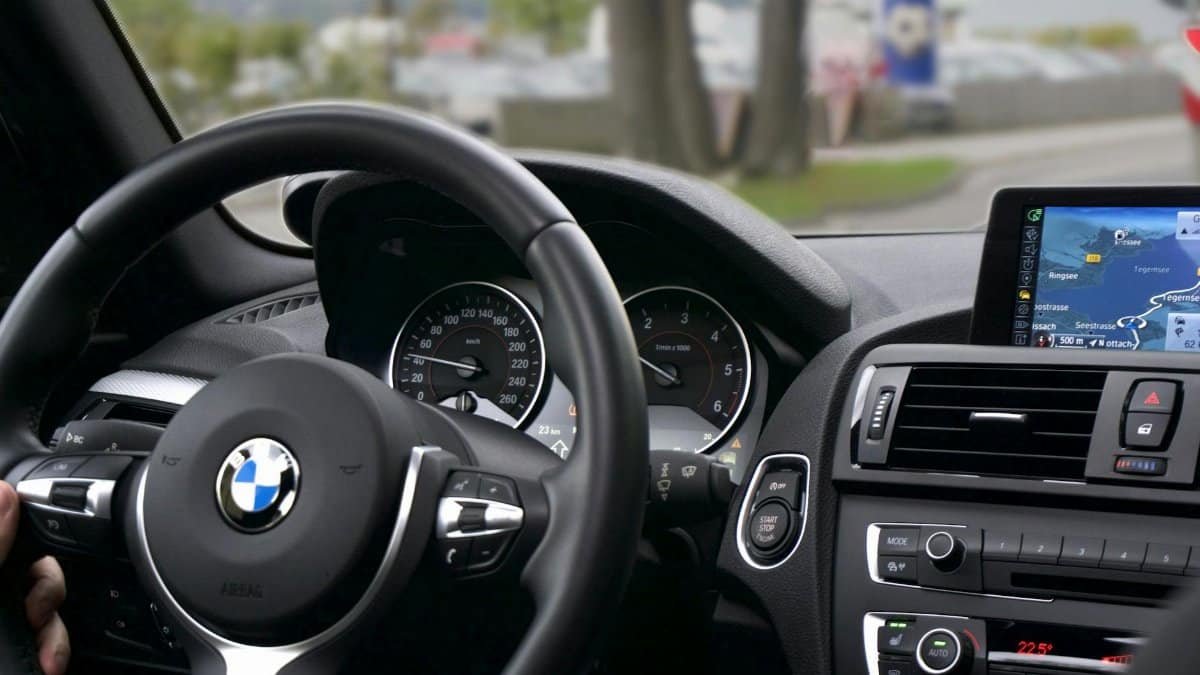
BMW’s experiment didn’t emerge in a vacuum. Over the past few years, automakers have embraced subscriptions for everything from streaming music to adaptive cruise control. What set the bmw heated seat subscription apart was its audacity: charging monthly for physical heated seats, not some ethereal software unlock. Company executives pitched it as a way to monetize unused potential, estimating millions in recurring revenue. Yet critics saw it as nickel-and-diming loyal customers who shelled out $50,000 or more for a 5 Series or X5.
From Factory Floors to Paywalls
The plan targeted models like the 2024 7 Series and i7 electric, where heated seats came standard but dormant without activation. BMW argued these features sat idle for much of the year in warmer climates, justifying the fee. A spokesperson told The Verge it mirrored phone plans or Netflix, but drivers weren’t buying the analogy. Social media erupted with memes of luxury cars reduced to frozen thrones, amplifying the absurdity.
Global Backlash Builds Momentum
Within days of leaks in September 2023, outrage spread from Reddit forums to Twitter threads, with hashtags like #CancelBMW trending in Europe and North America. In Norway, a hotbed for electric vehicles, owners threatened mass trade-ins. U.S. forums buzzed with comparisons to John Deere’s infamous repair locks, framing the bmw heated seat subscription as corporate overreach. Petitions garnered tens of thousands of signatures, pressuring dealers to field furious calls.
BMW’s Official Pivot Under Pressure
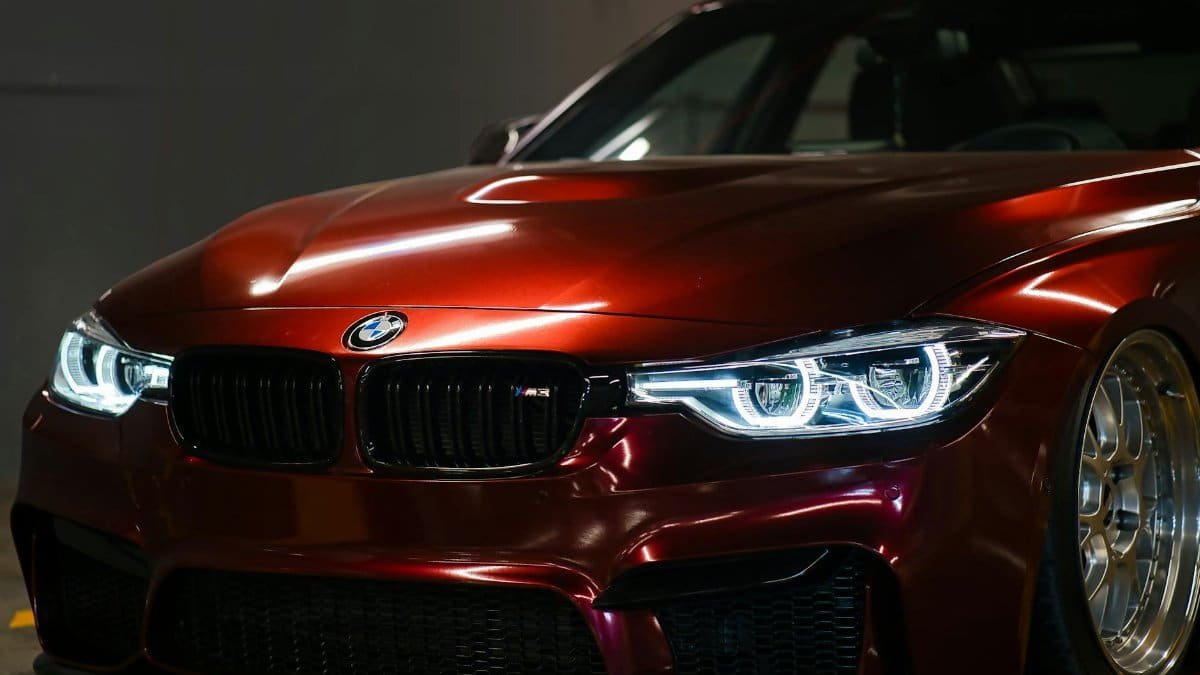
Facing mounting PR heat, BMW clarified last week that it would limit subscriptions to features unlocked over-the-air, not pre-installed hardware like heated seats. “We listened to our customers,” a company statement read, though skeptics noted the timing. The reversal spares current owners the $18 monthly hit—roughly $216 yearly—but leaves questions about future models. Analysts estimate the company dodged a $100 million backlash in lost sales.
Parallels with Tesla and Rivian
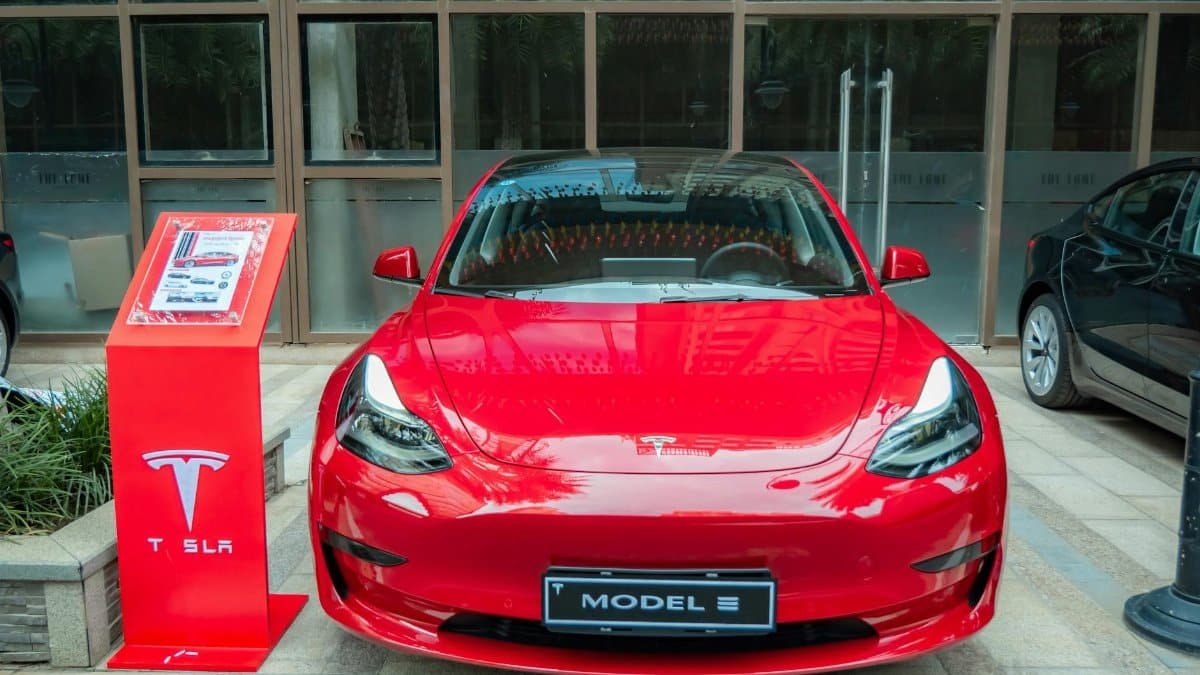
BMW wasn’t alone. Tesla has long charged for acceleration boosts and premium connectivity, while Rivian briefly toyed with heated steering wheel subs before retreating. These cases highlight a pattern: software flexibility enables dynamic pricing, but physical add-ons cross a line. A 2023 Deloitte survey found 72 percent of buyers oppose subscriptions for installed features, underscoring the risk BMW flirted with.
The Economics Driving the Push

Behind the curtain, margins matter. Traditional car profits hover at 10 percent, squeezed by chips and batteries. Subscriptions promise annuity-like streams; BMW projected $1 billion annually from connected services by 2025. The bmw heated seat subscription was a test balloon for “functions on demand,” blending hardware sales with SaaS revenue. Investors cheered initially, but consumer revolt reminded them of brand equity’s value.
Consumer Rights in a Connected World

This episode spotlights evolving ownership norms. Advocacy groups like the Electronic Frontier Foundation warn of “right to repair” battles extending to features. In Europe, the Digital Markets Act looms, potentially curbing such practices. U.S. lawmakers, eyeing Big Tech precedents, murmur about federal probes into auto subscriptions. Drivers, once passive buyers, now wield social media as a cudgel.
Memes and Mockery Fuel the Fire

Humor proved the sharpest weapon. Viral videos showed owners using hair dryers on seats, captioned “BMW’s winter warmer, $0/month.” Late-night hosts piled on, likening it to paying extra for your fridge’s ice maker. The ridicule humanized the issue, transforming arcane tech policy into water-cooler fodder and forcing BMW’s hand faster than any boardroom memo.
Future of Car Features: Own or Rent?
With the bmw heated seat subscription shelved, eyes turn to alternatives. Some predict bundled packages or one-time unlocks at $200–$300. Others foresee regulatory caps. BMW’s iDrive software already offers trials for heated seats, hinting at opt-in models. Yet trust, once eroded, rebuilds slowly; surveys show 40 percent of potential buyers rethinking the brand.
Lessons for Detroit and Beyond

American giants like Ford and GM watch closely. GM’s Super Cruise subscription drew flak but stuck, perhaps because it’s purely digital. BMW’s climbdown signals limits: hardware belongs to the buyer. As vehicles morph into rolling smartphones, balancing innovation with fairness grows trickier. The industry may pivot to transparency, advertising subs upfront to mute backlash.
A Silver Lining for EV Adoption?

Ironically, the fiasco spotlights electric vehicles’ strengths. Battery preconditioning warms cabins for free via apps, sidestepping seat-specific fees. BMW’s i models, wired for such perks, position the brand well post-reversal. Still, as “tech rage” simmers, consumers demand clarity: buy a car, get a car—not a subscription trapdoor.
In abandoning the bmw heated seat subscription, BMW averted disaster but exposed vulnerabilities in the subscription economy. For middle-aged drivers valuing reliability over gimmicks, it’s a win for common sense. The road ahead promises more clashes between silicon smarts and steel traditions, with customers firmly in the driver’s seat.