
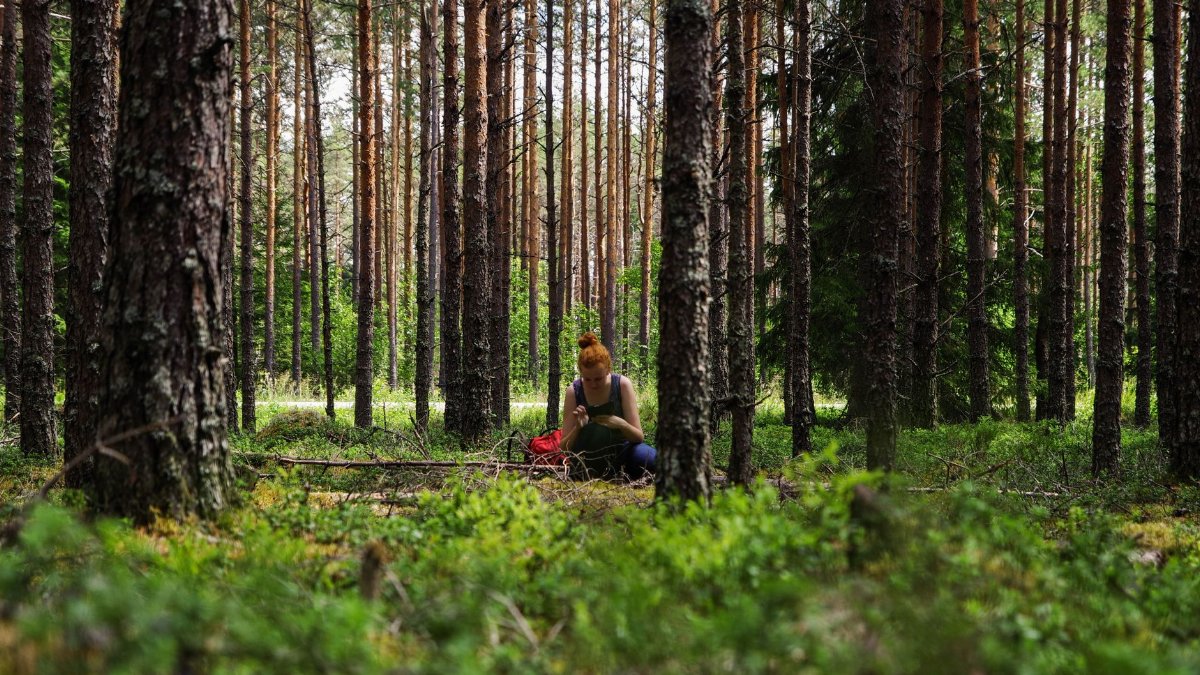
In a quiet forest clearing a therapist guides a client through mindful observation of surrounding trees and wildlife. This approach forms the core of Ecotherapy which moves beyond casual outdoor time into deliberate sessions that combine environmental immersion with reflective dialogue.
Roots in Established Therapeutic Traditions
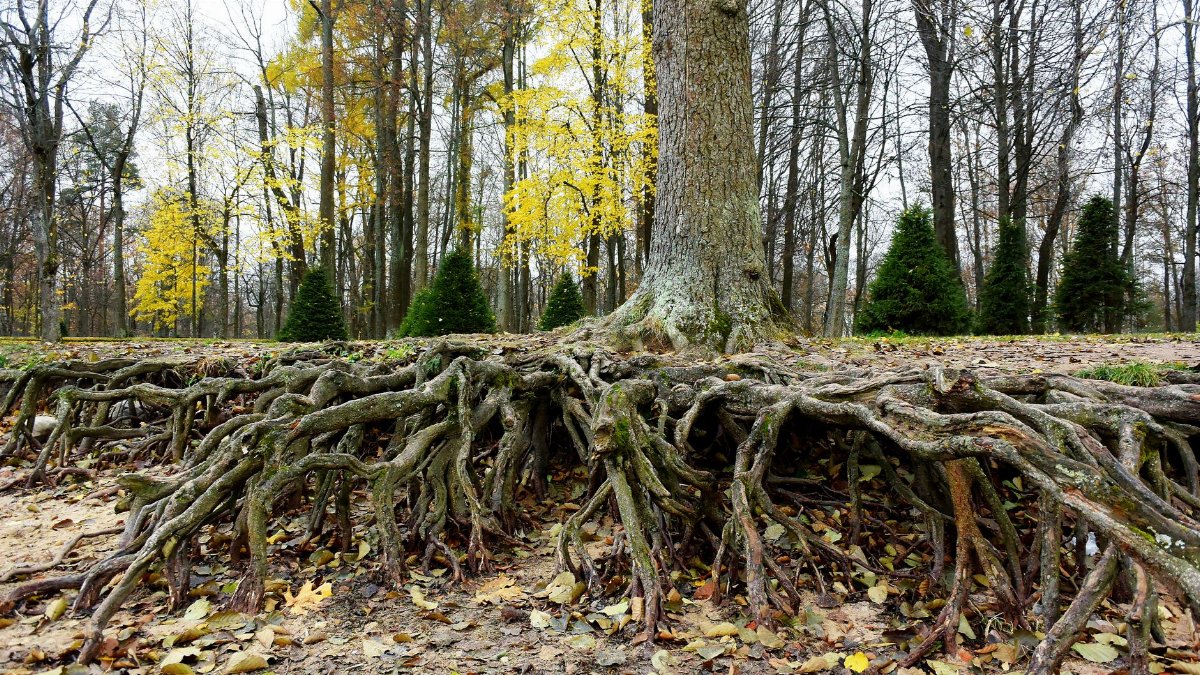
Ecotherapy draws from longstanding practices in psychology and environmental studies. Early pioneers integrated time spent in natural areas with counseling methods developed during the mid twentieth century. These foundations emphasize how direct contact with living systems supports emotional processing and cognitive shifts that indoor settings rarely achieve.
Session Formats and Daily Structure

Typical meetings last between sixty and ninety minutes. A practitioner might begin with breathing exercises then invite participants to notice textures colors and sounds. Follow up conversations help translate those sensory experiences into insights about personal challenges. Groups sometimes join for shared activities such as gentle walking or plant identification.
Evidence from Controlled Research

Multiple studies track changes in mood and stress markers after regular participation. One project at the University of Exeter found measurable drops in cortisol levels among adults who attended weekly outdoor sessions over eight weeks. Full details appear at https://www.exeter.ac.uk/news/archive/2022/naturetherapy.html. Such findings align with broader patterns reported in environmental health journals.
Mental Health Applications in Practice

Clinicians apply these methods to address anxiety and low mood. Clients report improved focus and reduced rumination after consistent exposure to open landscapes. The process encourages observation without judgment which gradually builds resilience against recurring negative thought cycles.
Physical Movement and Sensory Engagement

Many programs incorporate light activity such as slow pacing along trails. This element supports circulation while participants remain attentive to bodily signals. Balance improves for some older adults and joint stiffness often eases during repeated visits to the same natural spot.
Adaptations for Varied Age Groups

Programs designed for adults in middle years focus on life transitions and accumulated stress. Facilitators adjust pacing and discussion depth to match individual energy levels. Shorter seated options exist for those managing mobility concerns yet still seeking connection with outdoor settings.
Integration with Conventional Counseling

Ecotherapy frequently complements office based therapy rather than replacing it. Therapists may schedule alternate weeks between indoor and outdoor meetings. This blended model lets clients test new perspectives gained outside and then examine them further in a controlled environment.
Limitations and Realistic Expectations
Results vary according to local climate access and personal openness. Not every individual responds with immediate relief and some require several months before noticing shifts. Weather disruptions or urban location constraints can interrupt continuity for city dwellers.
Training Standards for Practitioners
Qualified leaders complete certification that covers both counseling ethics and ecological awareness. Organizations such as the Natural Health Society maintain directories of approved providers. Prospective participants benefit from verifying credentials before committing to a series of meetings.
Community and Policy Developments

Local parks departments have begun partnering with mental health agencies to reserve spaces for group sessions. Insurance providers in select regions now explore coverage options following pilot programs that demonstrated reduced medication needs among participants. Continued advocacy may expand availability nationwide.