

In the sunlit streets of Coral Gables where families have gathered for generations to share plates of handmade pasta and stories that stretch late into the evening a familiar institution is preparing to serve its final meals. The announcement of this coral gables restaurant closing has sent ripples through the community marking not just the end of a dining destination but the conclusion of countless personal histories woven into its walls. As one chapter closes another opens with the arrival of a popular steakhouse chain poised to take over the space. For many longtime residents the news stirs a complex blend of nostalgia and acceptance inviting reflection on how our favorite spaces evolve even as we hold them dear in memory.
The Heart of Community Dining
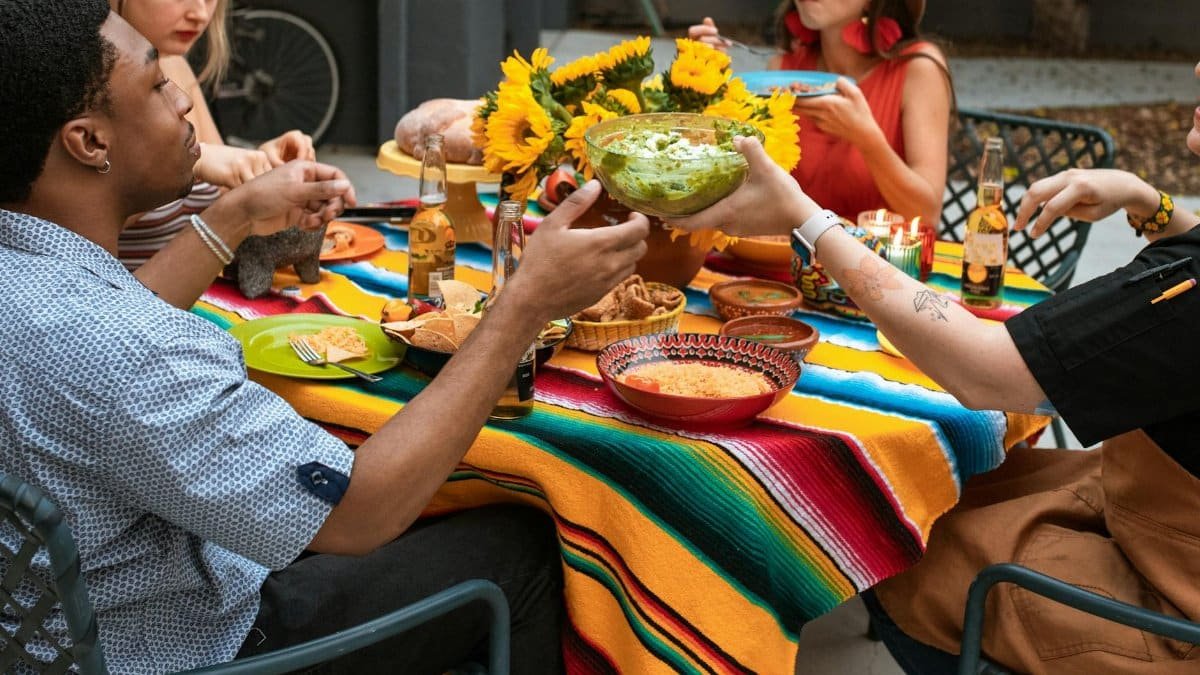
For more than twenty five years the Italian restaurant had functioned as something rarer than a successful business. It operated as a living room for an entire neighborhood a space where birthdays were celebrated with lemoncello toasts where first dates unfolded over shared antipasti and where neighbors gathered after storms simply because the lights were on and the doors remained open. The coral gables restaurant closing therefore lands with unusual emotional weight. It removes a place that fed more than appetites. It withdraws a reliable source of human connection in a city often defined by rapid change and seasonal crowds.
Regular diners speak of the restaurant in terms that sound almost spiritual. They describe the way the same server remembered their preferred table year after year. They recall how the owner would emerge from the kitchen to check not merely on the food but on their lives. These small rituals created a sense of belonging that many middle aged residents say has grown harder to find amid increasingly transactional urban existence.
Patrons Recall Cherished Moments

Elizabeth Moreno has eaten at the restaurant every anniversary for twenty two years. She sat at the corner table near the window on the night her husband proposed and returned there after both of her children were born. When asked about the closing she pauses for a long moment. The place taught us how to slow down she says. In a world that rewards speed it offered permission to linger.
Similar stories surface across Coral Gables. A book club that met monthly for eighteen years. A group of retired teachers who claimed the large round table every Thursday without fail. A father and son who began dinner there when the boy was eight and continued the tradition after the son became a father himself. These accumulated memories transform the closing from a commercial decision into something closer to a communal transition. The space itself had absorbed decades of laughter and confession becoming in its own way a quiet witness to lives lived.
Behind the Owners Choice to Close

According to reporting in the Miami Herald the family that owns the restaurant cited both personal and practical reasons for the decision. After more than two decades of daily operation the founders now in their late sixties expressed a desire to retire while they still possess the health to enjoy it. They also pointed to increasing operational costs that had begun to erode the slim margins most independent restaurants survive on. The choice appears to have been made with careful deliberation rather than haste. They selected a buyer whose concept they believe will respect the location even while changing its identity.
This pattern repeats across South Florida as veteran restaurateurs weigh the physical toll of the industry against the promise of financial security. The coral gables restaurant closing fits within a larger narrative of generational handover. Many beloved establishments face similar reckonings as their founding operators reach retirement age and discover that few family members wish to inherit the demanding lifestyle.
Rising Costs and Industry Challenges

Post pandemic realities have reshaped the economics of independent dining. Insurance premiums in Florida have climbed dramatically. Labor costs have increased as workers seek better wages and more predictable schedules. Supply chain disruptions have made menu planning an exercise in constant adaptation. For a restaurant that built its reputation on fresh ingredients and traditional techniques these pressures eventually become unsustainable.
Industry observers note that Coral Gables has seen a measurable shift toward chain restaurants and concepts backed by larger investment groups. While independent establishments still thrive many occupy smaller footprints or operate with reduced hours. The incoming steakhouse belongs to a well established national brand with systems designed to weather economic fluctuations. Its arrival reflects broader trends rather than a sudden disruption.
What the New Steakhouse Will Offer

The replacement concept brings a different energy focused on dry aged cuts craft cocktails and an atmosphere that appeals to both celebratory diners and business clientele. Early renderings suggest the new owners plan to preserve certain architectural elements that made the original space feel intimate while updating finishes to match contemporary tastes. Menu previews include several seafood options that nod to Miami traditions even as the emphasis rests on steakhouse classics.
Some neighbors view the change as a net positive for the commercial corridor arguing that a popular brand will draw more foot traffic and strengthen the area economically. Others worry that the neighborhood will lose another distinctive voice in favor of familiarity. This tension between preservation and progress surfaces whenever long standing local institutions yield to newer concepts.
Embracing Lifes Inevitable Transitions

Viewed through a wider lens the coral gables restaurant closing invites consideration of impermanence itself. Every cherished place eventually transforms. The coffee shop where we once lingered becomes a juice bar. The bookstore becomes condominiums. The restaurant where we marked milestones gives way to something new. These shifts mirror larger truths about existence and can serve as gentle reminders to practice gratitude while good things last.
Many spiritual traditions emphasize the wisdom found in releasing attachment. The closing of a beloved restaurant offers a modest but tangible opportunity to apply that teaching. Rather than cling exclusively to what is departing residents might instead celebrate what the space contributed during its season. They might also remain open to discovering value in the new enterprise that will take its place. Such flexibility does not erase sorrow. It simply keeps the heart flexible enough to accommodate both grief and possibility.
Voices from the Neighborhood

City council member Rosa Fernandez describes the restaurant as an anchor business that helped define the character of the block. Its departure she notes creates an emotional vacancy even if the physical space remains occupied. Fernandez has encouraged the new operators to incorporate community events that might replicate some of the connective tissue the Italian restaurant provided.
Local historian Marcus Delgado points out that Coral Gables has witnessed multiple cycles of reinvention since its founding. The current change fits within a century long pattern of adaptation. What feels like loss to one generation often becomes foundation for the next. This perspective offers comfort without diminishing the genuine sense of mourning many feel.
Carrying Forward a Sense of Place

The true test will emerge in whether the essential spirit of hospitality can transfer to new ownership. The original restaurant succeeded because its people treated diners as guests rather than transactions. If the steakhouse can cultivate similar warmth it may earn its own circle of devoted patrons. If not the community will seek that experience elsewhere.
Some former regulars have already begun gathering at smaller Italian spots scattered throughout Coral Gables and nearby Coconut Grove. They report finding satisfaction in supporting other independent operators. In this way the closing may ultimately strengthen rather than diminish the broader dining ecosystem by redirecting loyalty toward businesses that still operate with personal touch.
Exploring Other Italian Options Nearby
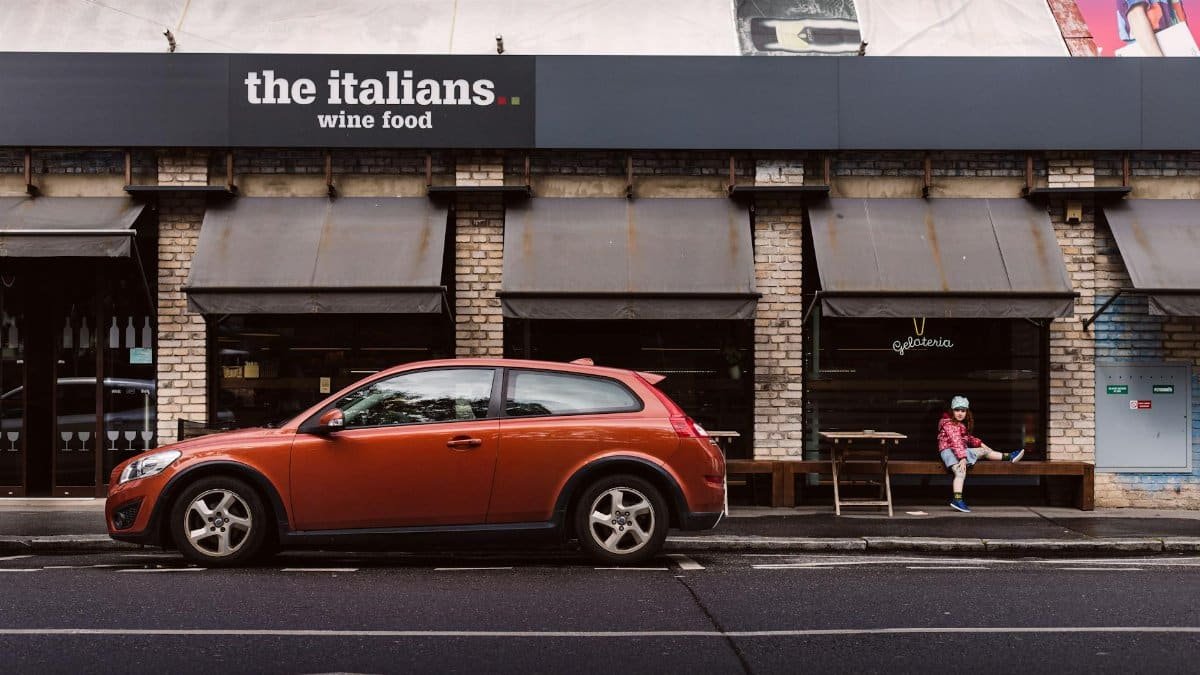
Those seeking comparable experiences have several strong alternatives within short distance. A family run trattoria two blocks east has gained attention for its housemade gnocchi and warm atmosphere. Another establishment further west offers outdoor seating beneath banyan trees and a wine list that rivals the one now departing. These restaurants cannot replace what is leaving. They do however provide continuity for diners who value authentic cuisine and genuine welcome.
Many residents suggest treating the transition as an invitation to explore rather than a reason to withdraw. New discoveries await those willing to venture beyond longtime habits. The coral gables restaurant closing might ultimately expand rather than contract culinary horizons for those most affected by it.
Building Fresh Memories in Familiar Spaces

Change rarely arrives without some discomfort. Yet history shows that new traditions take root in unlikely soil. The steakhouse may become the setting for different kinds of celebrations. Future anniversaries might be marked with perfectly cooked filets instead of osso buco. New rituals will form. Different stories will accumulate until one day patrons speak with equal fondness about memories made in the transformed space.
In the meantime a certain grace exists in bidding farewell properly. Making one last reservation. Ordering favorite dishes. Thanking the staff who served with such consistency through the years. These acts of conscious closure honor what has been while creating space for what comes next. They transform a simple restaurant closing into an occasion for mindfulness and appreciation.
The lights will dim one final time on the Italian restaurant that shaped so many evenings in Coral Gables. When they rise again under new management the address will continue its long service as a place where people gather to eat drink and connect. The menu will differ. The ambiance will evolve. The fundamental human need to share food and conversation in good company will remain constant. In that continuity perhaps lies the deepest form of preservation.