

On a crisp February morning in San Francisco, the Belonging in Nature program brought a diverse crowd together at Lands End for an easygoing walk that celebrated the outdoors. Held on February 20, 2026, this free event for all ages emphasized inclusivity, guiding participants through birding and native plant identification while fostering a deeper connection to California’s natural landscapes. As part of the Belonging in Nature initiative, led by park staff, attendees spotted various species and delved into local ecology, earning praise for its accessibility. In a state where nature beckons millions, this gathering highlighted how belonging nature California experiences can make the wild feel welcoming to everyone.
A Scenic Start at Lands End

Lands End, with its rugged cliffs and sweeping ocean views, provided the perfect backdrop for the Belonging in Nature event. This San Francisco gem, tucked along the coastline, offers trails that wind through native habitats teeming with life. The walk was designed to be effortless—no steep hikes or strenuous efforts required—making it ideal for newcomers to the outdoors. Participants strolled at a leisurely pace, pausing to observe the environment around them. The event’s timing in late winter captured the subtle shifts in the coastal ecosystem, where birds begin their seasonal dances and plants hint at spring’s arrival. By keeping things simple and scenic, organizers ensured that the focus stayed on discovery rather than challenge.
Birding: Eyes on the Winged Wonders
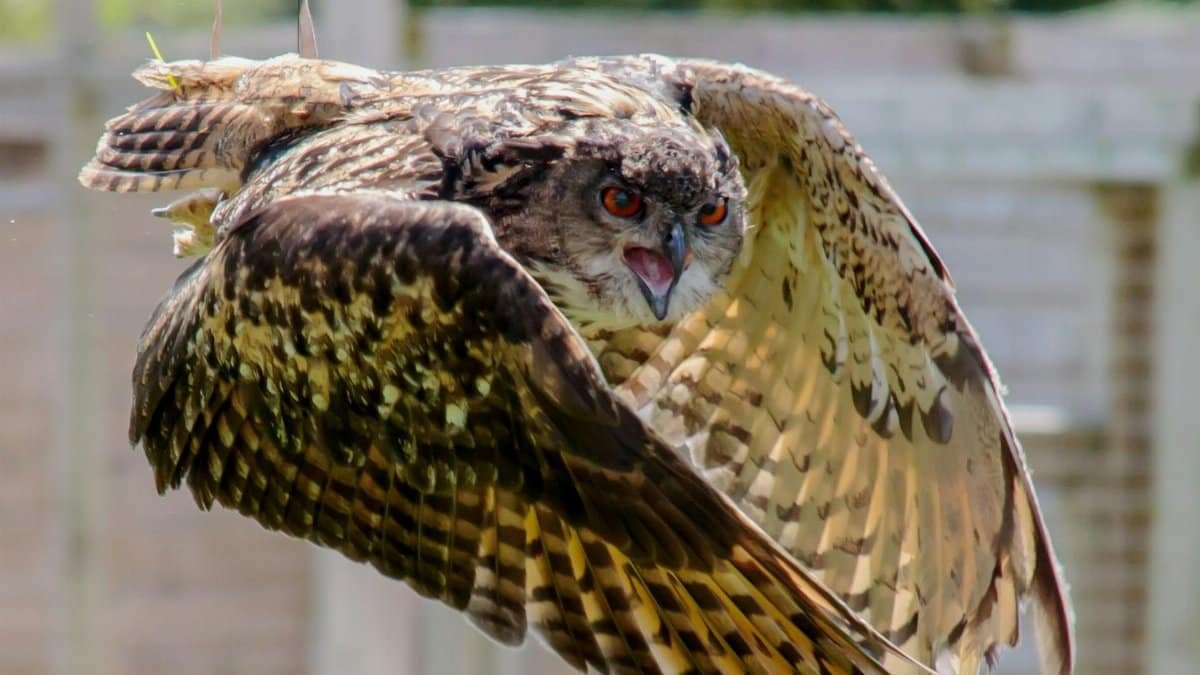
Birding took center stage during the walk, turning everyday strollers into keen observers. Participants scanned the skies and scrub for feathered locals, spotting species that thrive in Lands End’s unique microclimate. From quick-darting songbirds to larger coastal visitors, each sighting sparked excitement and conversation. Park staff pointed out distinguishing features—plumage patterns, calls, behaviors—that helped newcomers identify what they saw. This hands-on approach not only built skills but also instilled a sense of stewardship for California’s avian diversity. In moments like these, the Belonging in Nature program in California transformed passive walks into active engagements with the wild.
Native Plant Identification: Roots in the Landscape
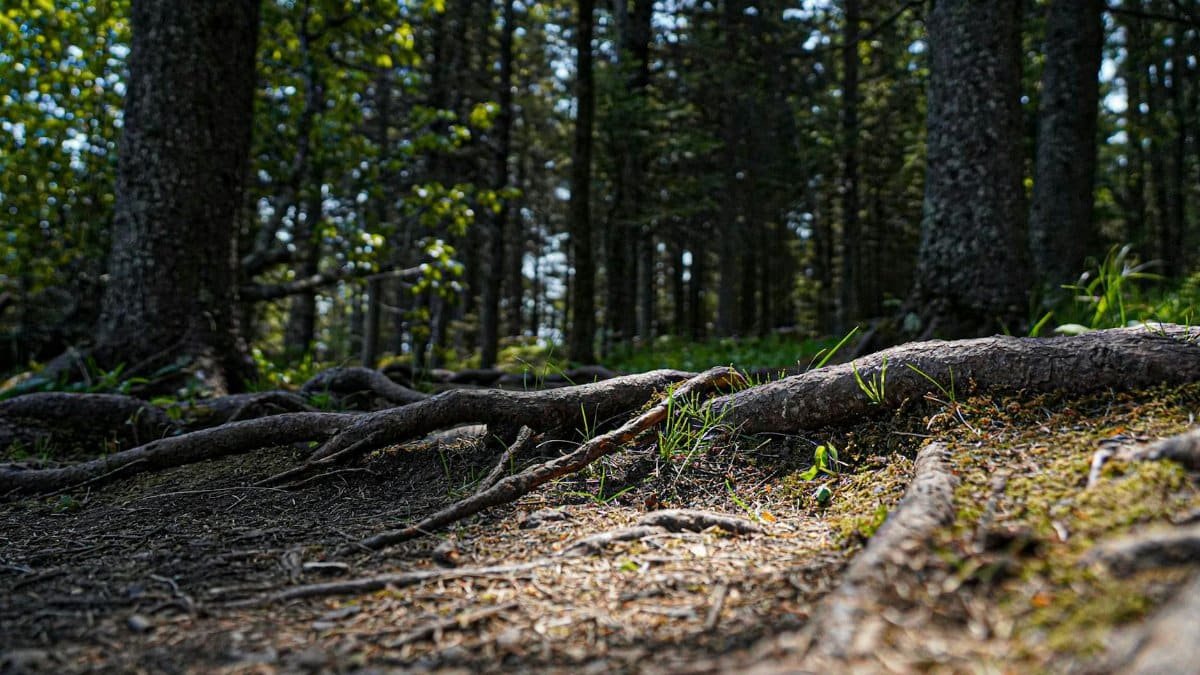
Complementing the birding, native plant identification grounded the group in the earth’s quieter stories. Along the trail, staff highlighted plants adapted to the foggy, windswept conditions of Lands End—species with deep roots in California’s ecology. Participants learned to recognize leaves, blooms, and growth habits, understanding how these flora support local wildlife. Touching the textures, smelling the earthiness, they connected with plants that have endured for generations. This segment underscored the interconnected web of life, showing how native species form the foundation for bird habitats and healthier ecosystems. It was a gentle reminder of belonging nature California’s emphasis on knowing one’s surroundings intimately.
Free and Open to All Ages

What set this event apart was its unwavering commitment to accessibility: completely free and welcoming to participants of every age. Families with young children mingled with older adults, creating a multigenerational tapestry of explorers. No tickets, no barriers—just show up and join. This model removes common hurdles like cost or exclusivity, inviting those who might otherwise feel sidelined from outdoor pursuits. In a place like California, where public lands draw crowds year-round, such openness democratizes nature. The result? A shared experience that bridged gaps, proving that belonging in nature doesn’t require prior expertise or expense.
Prioritizing Inclusivity in the Outdoors

At its heart, the Belonging in Nature event focused on inclusivity, addressing a quiet truth in outdoor recreation: not everyone feels at home in wild spaces. By designing an easy walk with supportive guidance, organizers created an environment where diverse backgrounds converged comfortably. This approach echoes broader efforts to make California’s natural areas more equitable, ensuring that urban dwellers, beginners, and underrepresented communities can partake without intimidation. Positive feedback poured in, with attendees noting how the event’s thoughtful structure eased them into nature. Blended seamlessly, as reported by the Golden Gate National Parks Conservancy, these elements fostered a true sense of belonging nature California style—warm, unpretentious, and profoundly connective.
Expert Leadership from Park Staff

Park staff served as the event’s steady guides, their knowledge illuminating every step. Trained in local ecology, they led the group with patience and enthusiasm, answering questions and sharing insights tailored to the moment. Whether explaining a bird’s migration patterns or a plant’s role in erosion control, their expertise made complex topics approachable. This human element—staff circulating, encouraging participation—elevated the walk beyond a solo ramble. Their presence ensured safety and depth, allowing everyone to absorb lessons at their own rhythm. In leading with inclusivity, they embodied the program’s ethos, making Lands End feel like a shared classroom under the open sky.
Learning Ecology Through Direct Encounter

The walk wove birding and plant ID into broader lessons on ecology, revealing how species interact in Lands End’s delicate balance. Spotting a bird might lead to discussing the insects it eats, or identifying a plant could spark talk of soil health and pollination. Participants gained a holistic view: how native flora sustains bird populations, how coastal winds shape adaptations. These revelations, drawn from on-site observations, sparked “aha” moments that lingered. Studies from the National Park Service have long shown that such immersive experiences enhance environmental awareness, directly supporting the event’s goal of building lasting connections. Here, ecology wasn’t abstract—it was alive, tangible, and tied to belonging nature California.
Rave Reviews for True Accessibility

Feedback from the February 20 gathering was overwhelmingly positive, centered on the event’s accessibility. Attendees raved about the easy terrain, clear instructions, and inclusive vibe that made nature feel attainable. “Finally, an outdoor event that welcomes everyone,” one might echo the sentiment captured in reports. This acclaim validates the Belonging in Nature model’s success, proving that thoughtful design yields broad appeal. In California, where trails vary from daunting to dauntingly crowded, such praise highlights a blueprint for future outings. By prioritizing ease and equity, the program not only drew participants but left them eager to return, nurturing a cycle of engagement with the state’s great outdoors.
Why Belonging Nature California Resonates

Events like this one at Lands End tap into a growing recognition that nature’s benefits thrive when shared widely. The Belonging in Nature program in California stands as a beacon, blending education, inclusivity, and joy into accessible packages. Participants left not just with spotted species lists or plant names, but with a renewed sense of place amid San Francisco’s iconic shores. As urban life accelerates, these walks offer pause—a chance to belong amid the birdsong and native blooms. With its proven formula, the initiative paves the way for more Californians to claim their slice of the wild, one gentle step at a time.