

Is “Floor Time” the antidote to “Bed Rotting” fatigue? Experts say yes. On February 6, 2026, specialists urged people to “get on the rug,” declaring floor time superior to bed rotting. The hard surface delivers tactile grounding that actively lowers anxiety, offering a sharper mental reset than soft bedding. This bed rotting vs floor time debate highlights shifting self-care tactics amid rising stress. As U.S. mental health conversations evolve, the message is clear: firmness fights anxiety better.
Experts Deliver Clear Verdict

Specialists have spoken decisively. Floor time outperforms bed rotting in anxiety management. The February 6, 2026, guidance emphasizes a simple shift: trade the mattress for the floor. Hard surfaces provide essential tactile feedback. This grounding effect calms the nervous system more effectively than prolonged bed lounging. Experts position floor time as the smarter choice for those seeking relief without inertia.
What Makes Bed Rotting Problematic
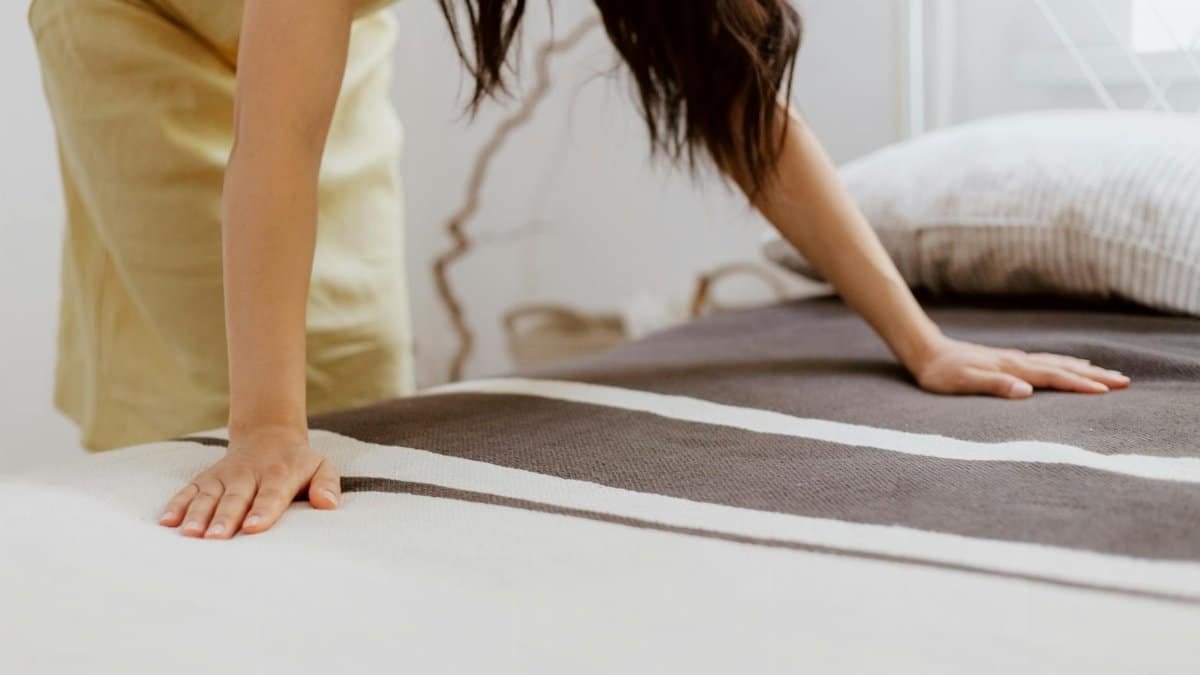
Bed rotting involves extended time in bed, often as a response to overwhelm. While it offers temporary comfort, experts note it lacks the sensory punch needed for true de-escalation. Soft surfaces cocoon the body, potentially prolonging disconnection from reality. In contrast, the bed rotting vs floor time comparison reveals how plush bedding fails to deliver the firm contact that disrupts anxiety cycles. U.S. trends show many turning to it, but specialists call for upgrade.
Floor Time’s Core Advantage
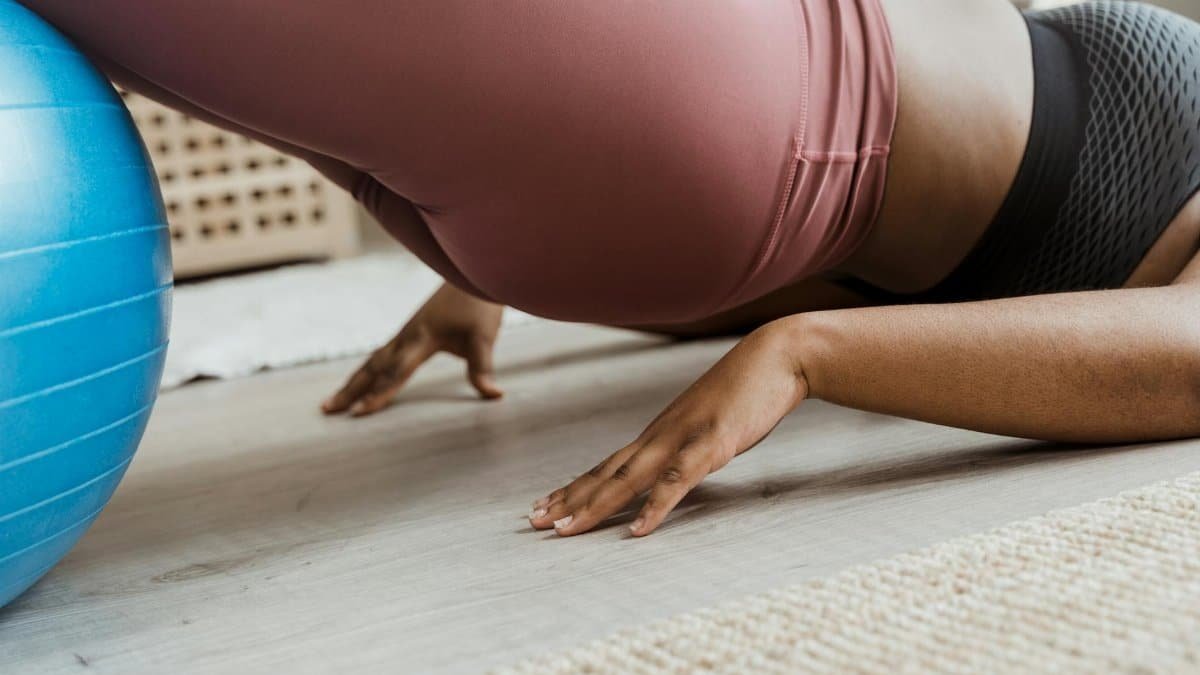
Floor time means lying directly on a hard surface, like a rug or bare floor. Experts champion it for its unyielding support. This setup forces full-body contact, anchoring users physically and mentally. The tactile grounding—pressing against solidity—signals safety to the brain. Unlike bed rotting’s sink-in feel, floor time promotes alertness without strain. Reports from February 6, 2026, frame it as a low-effort win for daily anxiety battles.
The Science Behind Tactile Grounding
Tactile grounding works through sensory input. Hard floors engage pressure receptors across the back, limbs, and head. This stimulation overrides anxiety signals, pulling focus to the present. Experts explain it activates the parasympathetic response, slowing heart rate and easing tension. Bed rotting, by comparison, mutes such input under layers of fabric and foam. For deeper insight into grounding techniques, see resources from the Cleveland Clinic, which outlines sensory methods for anxiety relief.
Why Hard Surfaces Lower Anxiety

The firmness of a floor creates resistance that bodies crave during stress. It mimics natural earth contact, fostering stability. Experts highlight how this counters the floating sensation of bed rotting. Anxiety drops as proprioception—body position awareness—sharpens. In 2026 U.S. wellness circles, this explanation resonates amid hybrid work burnout. Floor time’s edge lies in its no-frills delivery of calm, backed by tactile physics over passive rest.
Bed Rotting vs Floor Time: Key Differences

Bed rotting prioritizes softness and isolation. Users scroll, snack, and stagnate for hours. Floor time demands exposure to hardness, limiting endless sprawl. Experts favor the latter for its brevity and impact—sessions last minutes, not days. The hard surface prevents rumination by keeping senses engaged. This direct bed rotting vs floor time matchup shows floor time rebuilding energy faster. February 6 guidance stresses the switch for sustainable habits.
Practical Steps to Embrace Floor Time
Experts advise starting simple: clear a rug or mat-free spot. Lie flat for 5-10 minutes, arms at sides, eyes closed. Feel the floor’s pushback. Breathe deeply to amplify grounding. No props needed beyond a thin rug for minor cushion. Ditch bed rotting by scheduling floor sessions post-stressors like meetings. U.S. professionals report quicker mood lifts. Consistency turns it into a reflex against anxiety spikes.
Mental Health Shifts in 2026

By early 2026, floor time gains traction as bed rotting wanes. Experts’ endorsement on February 6 marks a pivot in self-care trends. Hard-surface practices align with somatic therapies popular in U.S. clinics. Anxiety, a top concern, responds best to active grounding over passive escape. This evolution reflects broader awareness: touch matters. For context on bed rotting’s popularity, check Psychology Today.
Broader Implications for Wellness

Floor time’s rise challenges bed-centric recovery norms. Experts predict wider adoption in homes and offices. Its anxiety-lowering power democratizes relief—no gear required. Bed rotting vs floor time underscores a truth: discomfort can heal. As 2026 unfolds, this advice empowers proactive mental health. Specialists urge immediate trials, promising tangible calm from the ground up.