
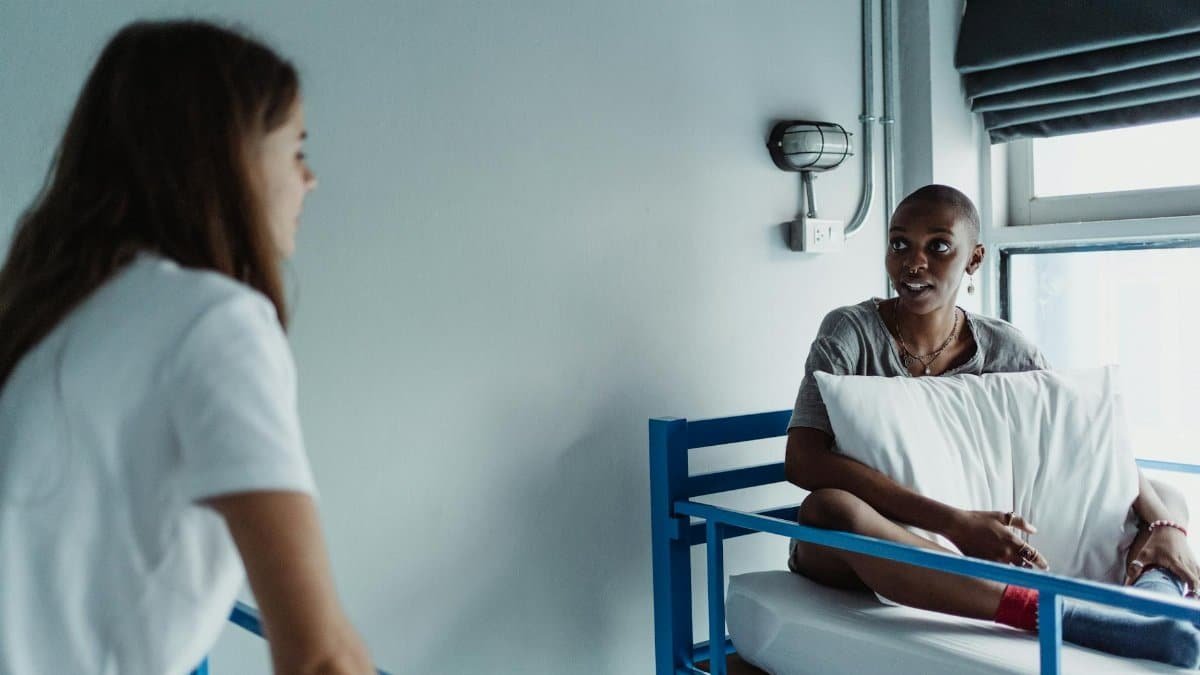
January 10, 2026 – Hurkle-durkling is the Scottish practice of staying in bed long after your alarm goes off. This simple act rebrands lounging as self-care. No longer dismissed as laziness, it’s positioned as the guilt-free evolution of “bed rotting” for 2026. Wellness enthusiasts embrace it fully. The hurkle durkle trend flips the script on mornings, offering permission to savor those extra moments under the covers without remorse. Rooted in Scottish heritage, it challenges hustle culture head-on.
Scottish Origins Behind the Buzz

The term “hurkle-durkling” draws straight from Scotland. It’s a playful Scots expression for nestling longer in bed past wake-up time. Far from a modern invention, this concept taps into cultural acceptance of unhurried starts. In Scotland, it’s normalized—no judgment attached. This authenticity fuels its spread. As a U.S.-based trend watcher notes, importing such traditions counters American productivity pressures. The phrase itself evokes cozy resistance to rushed dawns, making it resonate widely.
Defining Hurkle-Durkling Precisely

Hurkle-durkling means precisely that: remaining in bed well after eyes open. It’s not full-day hibernation but intentional extension of rest. Wake up, but don’t rise. Scroll, sip tea, stare at the ceiling—whatever suits. This targeted linger sets it apart from mere oversleeping. Proponents highlight its role in reclaiming personal time. In 2026’s fast-paced world, such definitions matter. They reframe bed as a sanctuary, not a slacker’s trap.
Not Laziness—It’s Cultural
“It’s not lazy, it’s Scottish.” This mantra captures the defense at hurkle-durkling’s core. Labeling it sloth ignores its roots. Scottish speakers have long used the term without shame. The pushback reframes the act as heritage, not vice. U.S. audiences, steeped in go-go energy, find this liberating. It normalizes rest amid burnout epidemics. By owning the Scottish label, advocates strip away stigma. What was once whispered becomes celebrated.
Bed Rotting’s Guilt-Free Upgrade
Bed rotting gained traction as indulgent downtime, often with snacks and shows. Hurkle-durkling refines it. Where bed rotting carried excess vibes, this stays lighter—pure linger post-wake. It’s the 2026 version, polished for wellness crowds. No mess, just mindful extension. Fans call it sustainable self-care. For context on bed rotting’s rise, see coverage from the Washington Post, which traces its TikTok origins and mental health ties.
Why Guilt-Free Resonates Now
The “guilt-free” tag hits hard in 2026. Post-pandemic fatigue lingers; routines feel forced. Hurkle-durkling offers absolution. Stay abed without the inner nag. Scottish framing adds legitimacy—no apologies needed. This permission slip appeals to overworked professionals and parents alike. It positions bed time as vital recharge, not indulgence. Mental health experts back rest’s value, aligning with trends like quiet quitting at work.
2026’s Wellness Rebrand
Declaring it “the guilt-free 2026 version” cements hurkle-durkling’s timeliness. Wellness shifts yearly, but this sticks due to simplicity. No apps, gear, or classes required—just your bed. It democratizes self-care. U.S. media amplifies Scottish imports, from kilts to lingo. This trend fits broader moves toward authentic, low-effort health hacks. Expect it in lifestyle sections nationwide.
Challenging Morning Hustle Norms

Mornings define productivity myths. Alarms blare; we leap up. Hurkle-durkling defies that. Post-wake bed time builds resilience, advocates say. Scottish precedent proves societies thrive sans instant action. In America, it sparks debate: rest or rigor? The trend tips toward balance. Sleep science supports it—quality matters over quantity. Check CDC guidelines on sleep for evidence on rest’s health boosts, underscoring why extra minutes count.
Rise of Heritage-Inspired Trends

Hurkle-durkling exemplifies 2026’s pull toward global roots. Scottish terms like this go viral, blending charm with utility. It’s not isolated—think hygge or ikigai imports. Here, bed lingering gets a kilt-clad upgrade. U.S. journalists spotlight it as fresh amid recycled fads. The guilt-free angle seals appeal. As coverage spreads, expect mainstream adoption, from podcasts to water cooler chats.
This Scottish import reshapes how we start days. Hurkle-durkling proves small acts pack big cultural punch. In 2026, it’s leading the charge against exhaustion. Embrace it, or not—either way, the bed awaits.