
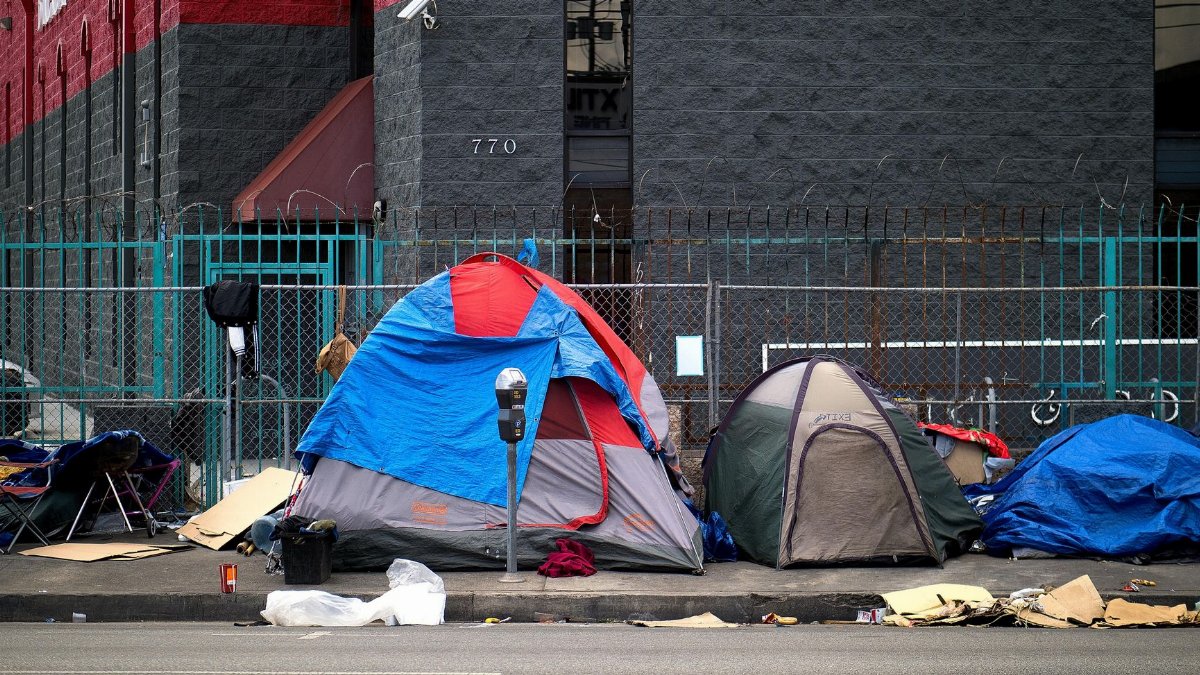
In the quiet hours before dawn, caseworkers in Baltimore walk the streets offering blankets and directions to shelters, yet their ability to plan ahead has been thrown into doubt by a recent legal decision that halted the city’s latest funding process. This development has placed homelessness grants limbo at the center of local discussions about how to sustain vital housing programs amid competing legal claims. The pause affects millions of dollars intended for emergency beds, job training, and mental health support, leaving providers to stretch limited resources while they await clarity.
Origins of the Legal Challenge

A federal court ruling stopped the procurement cycle after a losing bidder raised concerns about the selection criteria. City officials had designed the competition to prioritize innovative approaches to chronic homelessness, yet the decision now requires a fresh review of those standards. Advocates note that similar disputes have arisen in other cities when grant processes favor certain models over traditional shelter expansions.
Effects on Service Providers

Organizations that rely on these funds now face difficult choices about staffing and program scale. Several groups report they may reduce outreach teams or delay new housing units until the process resumes. The uncertainty has prompted some to seek private donations as a temporary bridge, though such contributions rarely match the scale of public grants.
Reactions from City Leaders

Baltimore officials have expressed frustration with the delay while emphasizing their commitment to transparent bidding. They plan to revise the request for proposals and reissue it once legal questions are resolved. Council members have called for hearings to examine how the city can avoid future interruptions in funding cycles.
Stories from Those Awaiting Housing

Residents living in temporary motels describe the strain of not knowing whether their placements will continue. One family that recently moved into a subsidized apartment worries about the stability of the arrangement if broader service cuts occur. Case managers say these personal accounts underscore the human cost of administrative setbacks.
Comparison with Other Cities

Philadelphia and Washington have navigated comparable pauses by creating interim funding pools drawn from general budgets. Baltimore leaders are studying those examples to determine whether similar measures could provide relief here without violating procurement rules. Such adaptations often require quick legislative action at the state level.
Role of Federal Funding Streams

Much of the affected money flows through federal programs that support local homelessness initiatives. The court order does not directly touch those streams, yet the local competition determines how the resources are allocated on the ground. Experts suggest the limbo could influence how future federal awards are structured if delays become more common.
Potential Pathways Forward

City attorneys are reviewing options that include an expedited appeal or a narrowed competition focused only on undisputed categories. Community coalitions have proposed collaborative models where multiple providers share funding to reduce disputes. These ideas aim to restore momentum while addressing the concerns that led to the lawsuit.
Broader Housing Market Pressures

Rising rents across the region have intensified demand for subsidized units, making the grant pause especially consequential. Landlords who once accepted vouchers are withdrawing from the program due to maintenance costs and regulatory requirements. This trend adds another layer of complexity to efforts aimed at moving people out of shelters.
Advocacy Efforts and Public Awareness
Local nonprofits have launched campaigns to highlight the stakes involved in resolving the grants limbo quickly. Public forums have drawn residents who share experiences with housing instability, helping to build support for sustained investment. Media coverage has also drawn attention to the issue, encouraging elected officials to prioritize a resolution.
Looking Toward Long Term Solutions

Beyond the immediate court matter, planners are considering structural changes such as multi year grant cycles that might limit future legal challenges. Investments in prevention programs, including rental assistance, could reduce the overall need for emergency shelter funding. These approaches reflect a growing consensus that stable housing requires coordinated efforts across government levels.