
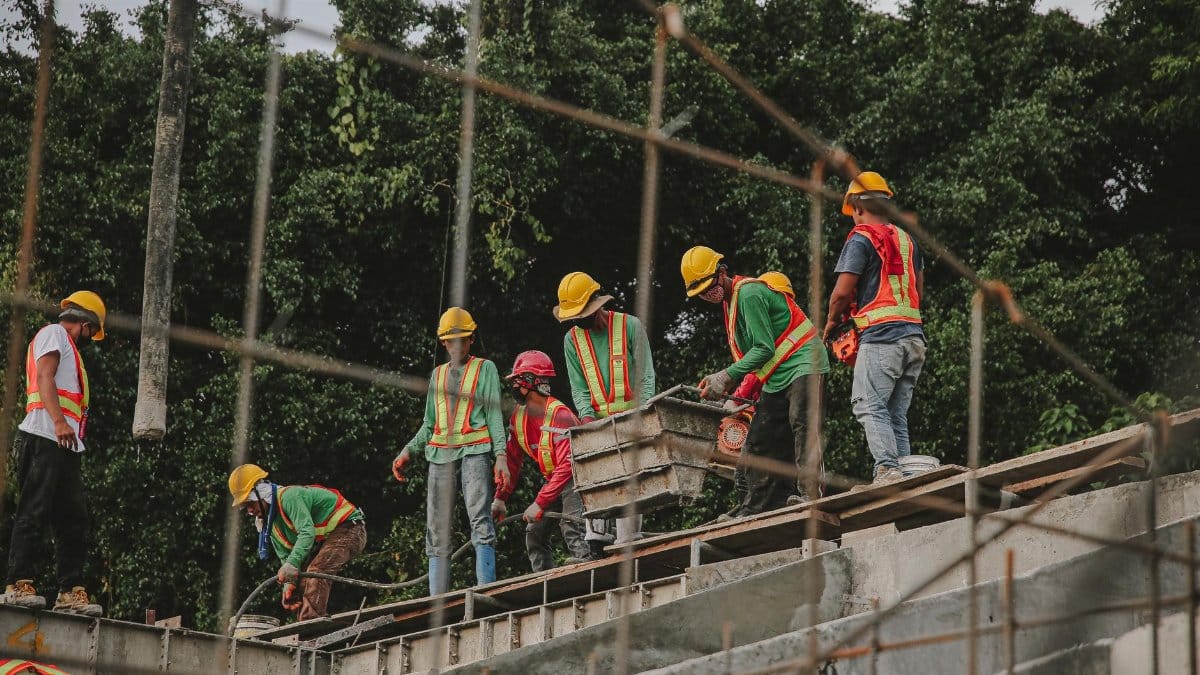
Three construction workers in Baltimore recently resolved a payment disagreement tied to school construction wages after pursuing their claims through legal channels. The case drew attention because it revealed how payment shortfalls can affect individuals tasked with building educational facilities across the region. Observers noted that such matters often remain hidden until workers decide to speak out about missing compensation for hours already completed on public projects. The resolution came after months of discussion and documentation that outlined discrepancies between agreed rates and actual amounts received.
Details Behind the Recent Agreement

The workers reached a resolution valued at one hundred fifty thousand dollars with the involved parties. Court records indicate the funds address unpaid portions related to their time on school building sites. This outcome provides a measure of financial relief while also prompting questions about oversight in public works projects.
How Payment Issues Surface in Public Projects

Payment shortfalls tend to appear when contractors and subcontractors handle large assignments without clear tracking systems. Workers on school sites often log long hours yet receive statements that fall short of expected totals. In this instance the three individuals compiled time sheets and correspondence that supported their assertions during negotiations.
Role of Legal Support in Labor Matters

Attorneys familiar with local labor rules helped the workers organize evidence and communicate with the opposing side. Such assistance proves valuable when documentation spans several months of activity across multiple locations. The process allowed the group to present a unified account of events leading to the final terms.
Impact on Families and Daily Life

Missed payments can strain household budgets especially when individuals rely on steady income from construction roles. The three workers described adjustments they made to cover essentials while awaiting a conclusion. Their experience mirrors challenges faced by others employed on similar public building efforts in growing cities.
Broader Patterns in Regional Construction

Reports from nearby districts suggest occasional gaps between contracted amounts and delivered pay in education related builds. These patterns raise considerations for project managers who coordinate crews across extended timelines. Improved verification steps might reduce future conflicts while maintaining project schedules.
Views from Industry Observers

Analysts who track labor trends point to the need for transparent record keeping on every public site. They note that early reviews of payroll documents can identify problems before they grow into formal disputes. The Baltimore case serves as one illustration of how such reviews might operate in practice.
Future Steps for Worker Protections

Advocates continue to discuss additional safeguards that could apply to school construction wages across the state. Proposals include regular audits and clearer contract language that specifies payment intervals. Implementation would require cooperation among government agencies and private firms engaged in the work.
Lessons for Similar Situations Nationwide

The settlement offers a reference point for workers in other states who encounter comparable shortfalls. Documentation remains central to any effort aimed at recovering amounts owed. Communities that invest in school infrastructure may also benefit from greater awareness of the people who complete those projects.