

Walk down the leafy paths of Baltimore’s Druid Hill Park these days, and you might notice groups gathered not for picnics or sports, but for something quieter: sessions on emotional sobriety. This emerging trend in Baltimore wellness reflects a broader shift across U.S. cities, where communities are turning to structured programs for stress relief amid rising mental health concerns. Emotional sobriety, often described as maintaining emotional balance without relying on substances or distractions, is gaining traction here. Local parks are launching events that blend mindfulness practices with community discussions, aiming to build resilience in everyday life. As urban stress mounts—think traffic snarls, job pressures, and the lingering effects of the pandemic—these initiatives offer a grounded way to foster inner calm. In 2025, with mental health conversations evolving, Baltimore’s approach could signal a model for other cities seeking practical paths to well-being.
What Emotional Sobriety Really Means
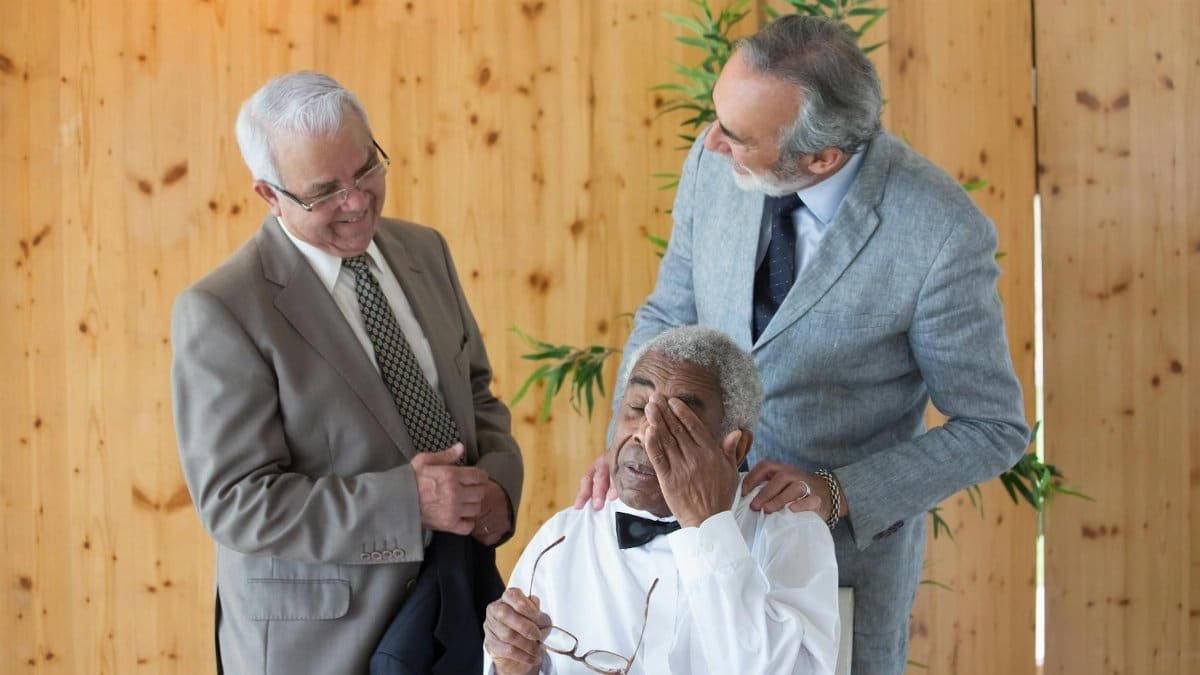
At its core, emotional sobriety goes beyond abstaining from alcohol or drugs. It’s about cultivating a steady inner life, where reactions to life’s ups and downs don’t spiral into chaos. Coined by recovery experts, the term has expanded into general wellness circles, emphasizing self-awareness and emotional regulation. In Baltimore, this concept is being woven into public health efforts, particularly through park-based events that encourage participants to explore their emotional patterns.
Consider a typical session: attendees sit in a circle under the shade of old oaks, sharing stories of daily stressors. One might recount the frustration of a long commute, while another speaks of family tensions. The facilitator guides them toward recognizing triggers, drawing from cognitive behavioral techniques. This isn’t therapy in disguise; it’s more like a communal toolkit for handling emotions without numbing them. Research from the American Psychological Association highlights how such practices can reduce anxiety by fostering mindfulness, a key component of emotional sobriety.
Yet, it’s not always straightforward. Some participants arrive skeptical, wondering if talking circles can truly alleviate the grind of city living. Over time, though, many report a subtle shift—a lighter step, perhaps, or fewer sleepless nights. This evolution mirrors national trends, where emotional sobriety programs are popping up in unexpected places, from corporate retreats to community centers.
Baltimore’s Parks as Wellness Hubs

The idea of parks as mental health sanctuaries isn’t new, but Baltimore is taking it further with targeted emotional sobriety events. Launched in early 2025, these gatherings transform green spaces like Patterson Park into venues for stress relief workshops. Picture families and solo walkers pausing their routines to join breathwork circles or guided reflections, all aimed at building emotional resilience.
City officials drew inspiration from successful models elsewhere. For instance, similar initiatives in Seattle have shown promising results in community well-being. In Baltimore, the focus is local: addressing the unique stressors of a port city with its mix of industrial history and vibrant neighborhoods. A recent report from the Centers for Disease Control and Prevention underscores the need, noting that urban dwellers face higher rates of stress-related disorders. By hosting these events in parks, organizers make wellness accessible, free from the stigma of clinical settings.
One afternoon, a group huddled near the Patterson Park Observatory, discussing how to navigate workplace burnout. Laughter broke through the serious tones as someone shared a botched attempt at meditation during a lunch break. These moments humanize the process, turning abstract concepts into relatable experiences. As the sun dipped, participants left with simple tools: journaling prompts or breathing exercises, ready to integrate into their daily lives.
Challenges persist, of course. Rainy days can thin crowds, and not everyone feels comfortable opening up in public. Still, the program’s growth suggests it’s tapping into a real hunger for Baltimore wellness strategies that feel organic and community-driven.
Stress Relief in Action: Techniques from the Events

Diving right into the heart of these gatherings, facilitators often start with breath. Deep, intentional inhales and exhales set the tone, pulling participants away from the buzz of nearby traffic. This simple act, rooted in emotional sobriety principles, helps interrupt the cycle of reactive stress. From there, sessions might explore journaling, where attendees jot down emotional highs and lows, spotting patterns that fuel anxiety.
One technique gaining popularity is “emotional mapping,” where people visualize their feelings as a landscape—peaks of joy, valleys of frustration. It’s playful yet profound, encouraging a detached view of one’s inner world. According to a study published in the Emotion journal, such visualization aids in better emotional regulation, a cornerstone of stress relief.
Not every method clicks for everyone. A middle-aged accountant might thrive on structured exercises, while a young artist prefers free-form discussions. Organizers adapt, ensuring inclusivity. Online discussions often reveal similar sentiments; one anonymous account described feeling “finally equipped to handle family gatherings without exploding,” after trying these techniques at home. This variety keeps the events fresh, drawing repeat visitors eager for new tools in their Baltimore wellness arsenal.
The Community Impact on Mental Health

Beyond individual benefits, these park events are knitting tighter community bonds. In a city like Baltimore, where neighborhoods can feel divided, shared experiences around emotional sobriety foster unexpected connections. Strangers become allies in the quest for stress relief, swapping tips over post-session coffee.
Data supports this ripple effect. A survey by the Pew Research Center indicates that community-based wellness programs enhance social cohesion, which in turn bolsters mental health. In Baltimore, early feedback shows participants reporting lower isolation levels, a common precursor to deeper emotional struggles.
Take the story of a retired teacher who attended her first event on a whim. Initially quiet, she opened up about grief from losing a spouse. The group’s empathetic responses didn’t solve her pain, but they lightened it, illustrating how collective vulnerability can heal. Such narratives underscore the program’s role in broader mental health trends for 2025, where communal approaches are gaining ground over solitary fixes.
Of course, not all impacts are immediate. Building emotional sobriety takes time, and some leave sessions unchanged. Yet, the cumulative effect—a city slightly more attuned to its emotional undercurrents—hints at lasting change.
Challenges and Criticisms of the Initiative

No program is without hurdles. Critics argue that park-based emotional sobriety events might overlook those with severe mental health issues, serving more as feel-good activities than substantive help. Accessibility is another concern: not everyone can reach these outdoor spots easily, especially in inclement weather or for those with mobility challenges.
Facilitators acknowledge these points, working to expand online options and partner with local clinics. A tension emerges here—balancing light-touch wellness with the need for professional intervention. Emotional sobriety, while empowering, isn’t a cure-all for deeper traumas.
One participant, reflecting on a rainy session that moved indoors, noted the shift felt less organic. “The park’s openness makes it special,” she said. This highlights a core dilemma: preserving the essence of Baltimore wellness in nature while adapting to realities. As 2025 unfolds, refining these elements will be key to the program’s sustainability.
Despite pushback, proponents see value in starting conversations. It’s a step toward destigmatizing mental health, even if imperfect.
Looking Ahead: Expanding Emotional Sobriety in Baltimore

As these events gain momentum, plans are underway to integrate them into school programs and workplaces. Imagine students in Baltimore’s public schools learning stress relief techniques alongside math, or office workers pausing for midday emotional check-ins. This expansion could redefine urban wellness, making emotional sobriety a household term.
Experts predict growth, aligned with national shifts toward preventive mental health. By weaving in elements like yoga or art therapy, the parks aim to keep offerings dynamic. One vision includes seasonal festivals, blending fun with deeper reflections on stress relief.
A young professional, fresh from a session, shared how it reshaped her approach to deadlines: “I used to panic; now I breathe through it.” Stories like hers fuel optimism. In the end, Baltimore’s initiative isn’t just about events—it’s about cultivating a culture where emotional balance is as routine as a morning jog.
Personal Stories of Transformation

Amid the structured sessions, personal breakthroughs stand out. A father of two, juggling a demanding job, found solace in the quiet admissions of others. “Hearing I’m not alone changed everything,” he recalled. His journey with emotional sobriety began there, leading to better family dynamics and less reliance on evening drinks to unwind.
Another tale comes from a nurse, exhausted by shift work. She discovered stress relief through park-guided meditations, which helped her process the day’s emotional toll. These anonymized snapshots reveal the human side: real people navigating real pressures in Baltimore’s bustling environment.
Such transformations aren’t universal, but they illustrate potential. As more join, the collective narrative builds, turning individual wins into community strength.
Integrating Emotional Sobriety into Daily Life

Moving beyond events, how does one sustain emotional sobriety? It starts small: a morning routine of reflection, perhaps noting three gratitudes before coffee. In Baltimore, participants are encouraged to adapt techniques to their routines, like using commute time for podcasts on wellness.
Challenges arise in consistency—life’s demands can derail even the best intentions. Yet, building habits pays off. Research from Harvard’s mind and mood resources suggests regular practice enhances resilience, key for long-term stress relief.
One approach involves “emotional audits”—weekly reviews of reactions to events. It’s practical, fitting into busy schedules. For Baltimoreans, this means turning park-learned skills into everyday armor against urban stressors.