
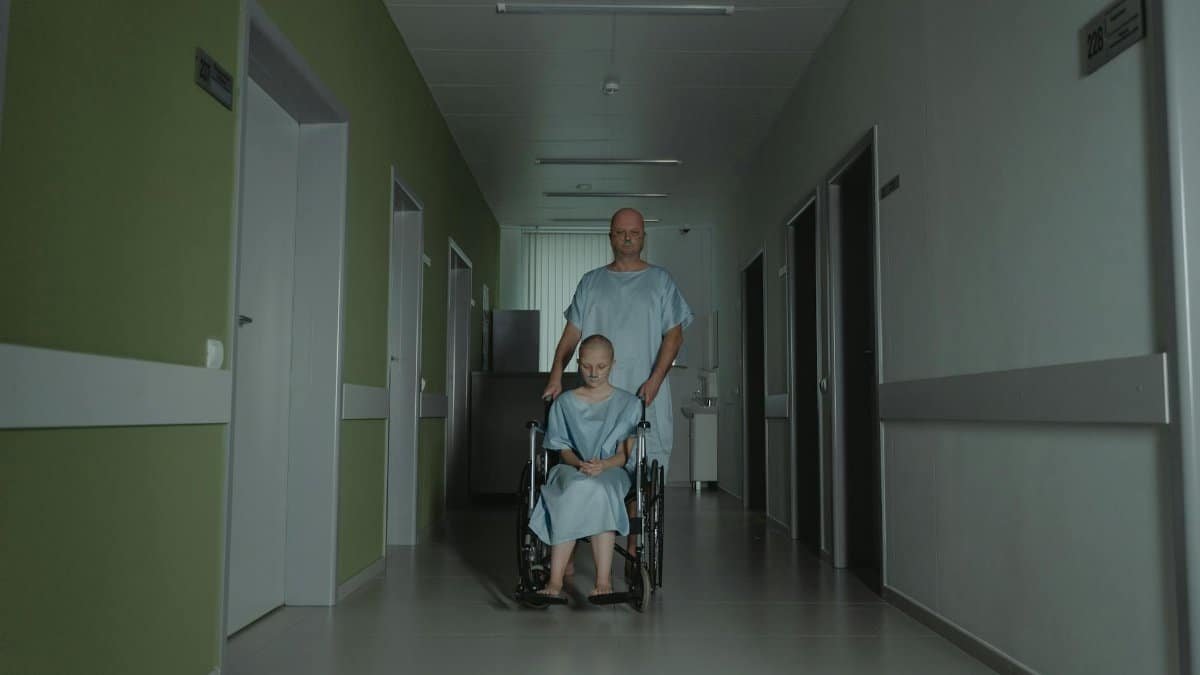
A recent study from the National Institutes of Health found that nearly 40% of Americans have turned to complementary therapies like reiki for managing stress and pain, a sharp rise from just a decade ago. This surge reflects a broader shift toward holistic wellness amid rising mental health challenges. In Baltimore, this trend is taking root in unexpected places: local hospitals are now integrating reiki practice into patient care, particularly for those in recovery. What began as a grassroots wellness movement in the city has evolved into a structured program aimed at baltimore wellness and stress relief. Patients report feeling more grounded after sessions, where practitioners use gentle touch or hovering hands to channel energy. This isn’t just anecdotal; it’s part of a growing recognition that traditional medicine can pair effectively with ancient practices to foster healing. As 2025 unfolds, Baltimore’s approach could signal a nationwide pivot toward inclusive health strategies.
The Roots of Reiki in Modern Medicine
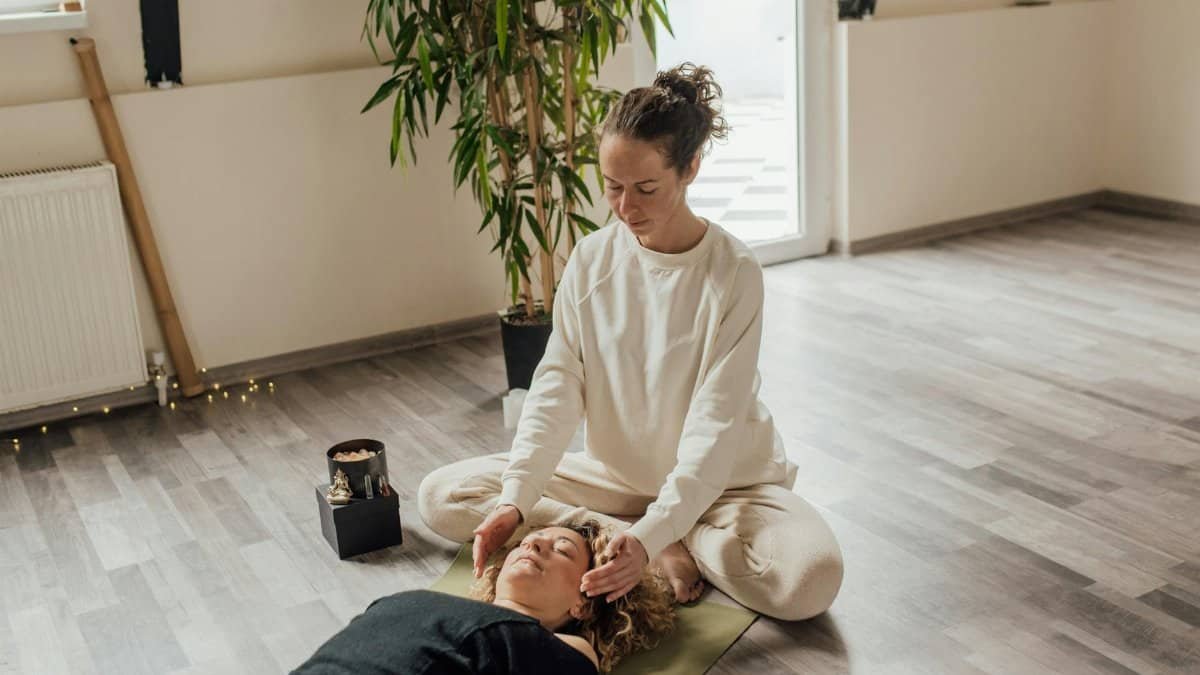
Reiki, a Japanese technique developed in the early 20th century by Mikao Usui, focuses on energy transfer to promote relaxation and healing. It arrived in the U.S. in the 1970s, gaining traction among those seeking alternatives to conventional treatments. Today, it’s no fringe pursuit. Hospitals across the country, including in Baltimore, are embracing it not as a cure-all, but as a supportive tool.
Consider the journey of one practitioner in the city. She started offering sessions in community centers, where overworked residents flocked for relief from daily grind. “It’s about balancing the body’s energy,” she explained during a recent workshop, her voice steady amid the hum of fluorescent lights. This hands-on method, often performed clothed and without pressure, appeals to skeptics who might dismiss it as woo-woo. Yet, evidence mounts. A study published in the Journal of Evidence-Based Complementary & Alternative Medicine highlighted reiki’s role in reducing anxiety in surgical patients.NCBI Study on Reiki and Anxiety.
The integration into hospitals didn’t happen overnight. It stemmed from patient demands and pilot programs showing promise. In Baltimore, where urban stressors like economic pressures compound health issues, reiki practice offers a quiet counterpoint. Sessions last 30 to 60 minutes, with practitioners attuned to subtle cues, adjusting their approach as energy flows or stalls.
Baltimore’s Hospital Initiatives Take Shape

At Johns Hopkins Hospital, a pioneer in this space, reiki volunteers now visit recovery wards weekly. The program launched quietly in late 2024, expanding as feedback poured in. One nurse recalled a post-op patient who, after a session, slept through the night for the first time in days. “It was like flipping a switch,” she said, her eyes lighting up at the memory.
This isn’t isolated. University of Maryland Medical Center has followed suit, training staff in basic reiki techniques to complement pain management protocols. The city’s wellness scene, already vibrant with yoga studios and meditation groups, provides a fertile ground. But hospitals add legitimacy, bridging alternative and allopathic worlds. Data from the Centers for Disease Control and Prevention underscores the need: stress-related disorders affect millions, with Baltimore’s rates above national averages.CDC on Stress and Mental Health.
Implementation involves careful vetting. Practitioners must be certified, often through organizations like the International Center for Reiki Training. Sessions are free for patients, funded by grants and donations, ensuring accessibility. In a city grappling with health disparities, this democratizes baltimore wellness, making stress relief available beyond affluent circles.
Challenges arise, of course. Some doctors remain wary, citing a lack of large-scale trials. But proponents point to growing acceptance, much like acupuncture’s path into mainstream care.
How Reiki Aids Stress Relief in Recovery
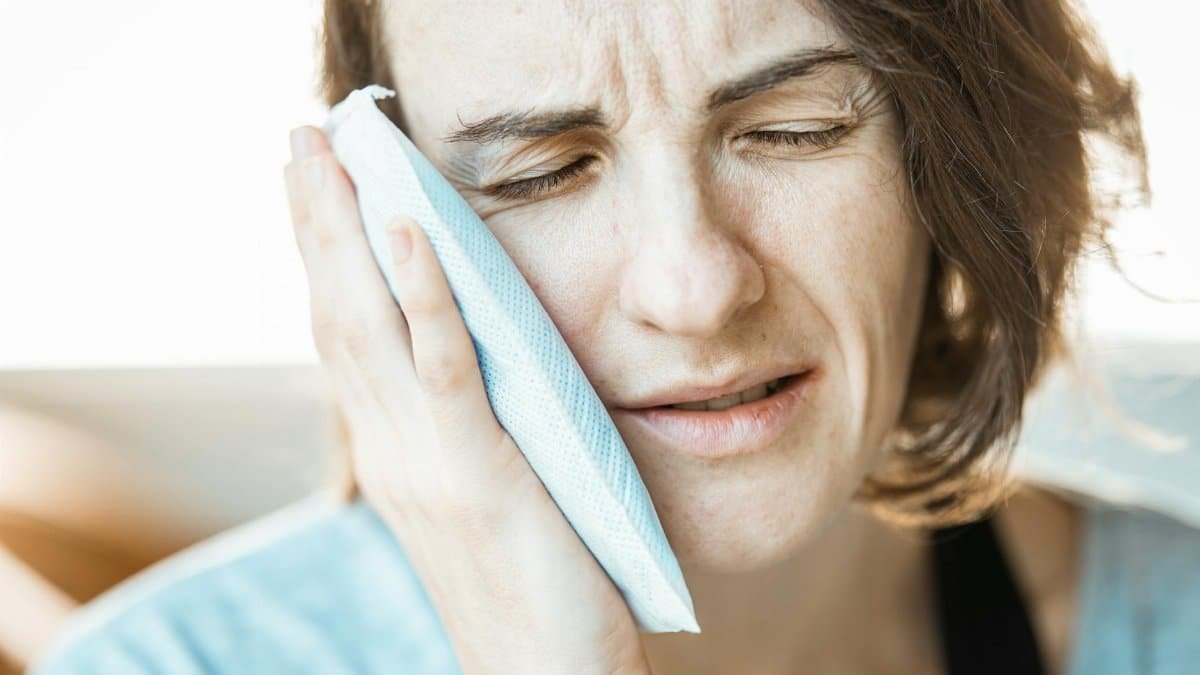
Stress in recovery isn’t just mental; it manifests physically, delaying healing. Reiki targets this by inducing a relaxation response, similar to deep meditation. Patients often describe a warm sensation, a release of tension that lingers.
Take the case of a Baltimore resident recovering from heart surgery. Amid beeping monitors and sterile smells, a reiki session brought unexpected calm. “I felt the worry melt away,” he shared anonymously in an online forum, echoing sentiments from many. This aligns with research: A review by the Mayo Clinic notes reiki’s potential to lower cortisol levels, the hormone tied to stress.Mayo Clinic on Reiki.
In practice, it’s subtle. Practitioners hover hands over chakras, or energy centers, without direct contact if preferred. For those in pain, it’s a non-invasive option, avoiding medications’ side effects. Baltimore’s programs emphasize this for post-trauma care, where anxiety spikes. One study from the University of Pennsylvania found complementary therapies like reiki reduced hospital stays by improving patient comfort. The rhythm of sessions—slow, intentional—contrasts the chaos of illness, fostering resilience.
Yet, it’s not uniform. Some feel nothing at first, only noticing benefits later, like better sleep or reduced irritability. This variability adds depth, reminding us healing isn’t linear.
Patient Experiences and Real-World Impact

Stories from Baltimore’s wards paint a vivid picture. A young mother, post-childbirth and overwhelmed, found reiki practice transformative. “It was the first time I breathed deeply in months,” she confided to her doctor. Such accounts humanize the data, showing how baltimore wellness initiatives touch lives.
In group settings, patients share experiences, building community. One session in a cancer recovery unit turned into an impromptu support circle, laughter mixing with quiet reflections. This social element amplifies stress relief, as isolation often exacerbates recovery woes.
Beyond anecdotes, metrics matter. Hospitals track outcomes: reduced pain scores, fewer anxiety meds requested. A Pew Research survey on American attitudes toward alternative medicine reveals 62% view it positively, up from previous years.Pew Research on Alternative Medicine. In 2025, with mental health crises persisting, these numbers suggest reiki’s staying power.
Critics argue it’s placebo, but even if so, the effect is real. Patients feel empowered, a key to long-term wellness.
Expert Perspectives on Integration
Doctors in Baltimore offer mixed but evolving views. A oncologist at Sinai Hospital noted, “We see reiki as adjunctive, not alternative.” This pragmatism drives adoption, with training sessions now part of continuing education.
From the wellness side, reiki masters emphasize ethics: no promises of cures, just support. “It’s about presence,” one said, during a coffee-fueled chat in a Fells Point cafe. This grounded approach eases tensions with medical staff.
Research backs this synergy. The National Center for Complementary and Integrative Health reports on reiki’s safety and potential benefits for stress management.NCCIH on Reiki. In Baltimore, collaborations with universities are spawning studies, tracking long-term effects on recovery rates.
Tensions persist, though. Funding for such programs is precarious, reliant on philanthropy. Yet, as evidence accumulates, more institutions may follow.
Broader Implications for Urban Wellness

Baltimore’s model could inspire other cities. With stress epidemics in urban areas, reiki practice offers a scalable tool for baltimore wellness and beyond. Imagine it in community clinics, schools, even workplaces.
One innovative twist: virtual sessions for homebound patients, adapting ancient practice to modern tech. This expands access, crucial in a city with transportation barriers.
Looking at trends, 2025 might see policy shifts, with insurance covering complementary therapies. Advocacy groups push for this, citing cost savings from shorter hospital stays.
Ultimately, it’s about holistic care. Reiki doesn’t replace medicine but enhances it, addressing the mind-body link often overlooked.
Challenges and the Path Forward
Skepticism lingers, rooted in science’s demand for proof. Small sample sizes in studies fuel debate, though larger trials are underway.
Accessibility is another hurdle. Not all neighborhoods have trained practitioners, prompting calls for more diverse training programs.
Despite this, momentum builds. A volunteer coordinator in Baltimore reflected, “We’re planting seeds.” As patients heal, so does the perception of reiki as viable stress relief.
In weaving these threads, Baltimore hospitals are redefining recovery, one energy flow at a time.