

In a surprising turn for the gambling industry the Bally Chicago casino finds itself at the center of financial scrutiny as its parent company grapples with liquidity concerns. Ballys Corporation recently flagged risks to its ability to continue operations citing slowed progress on the large scale entertainment venue in Illinois. This alert comes as construction on nongaming elements has been scaled back raising eyebrows among analysts and community leaders alike who had anticipated a swift completion of the 1.7 billion dollar endeavor. Observers note that such warnings often signal deeper structural issues within firms navigating post pandemic recovery and shifting regulatory landscapes in major markets. The situation underscores how even high profile projects can face unexpected headwinds when capital flows tighten unexpectedly.
Background on the Development Project
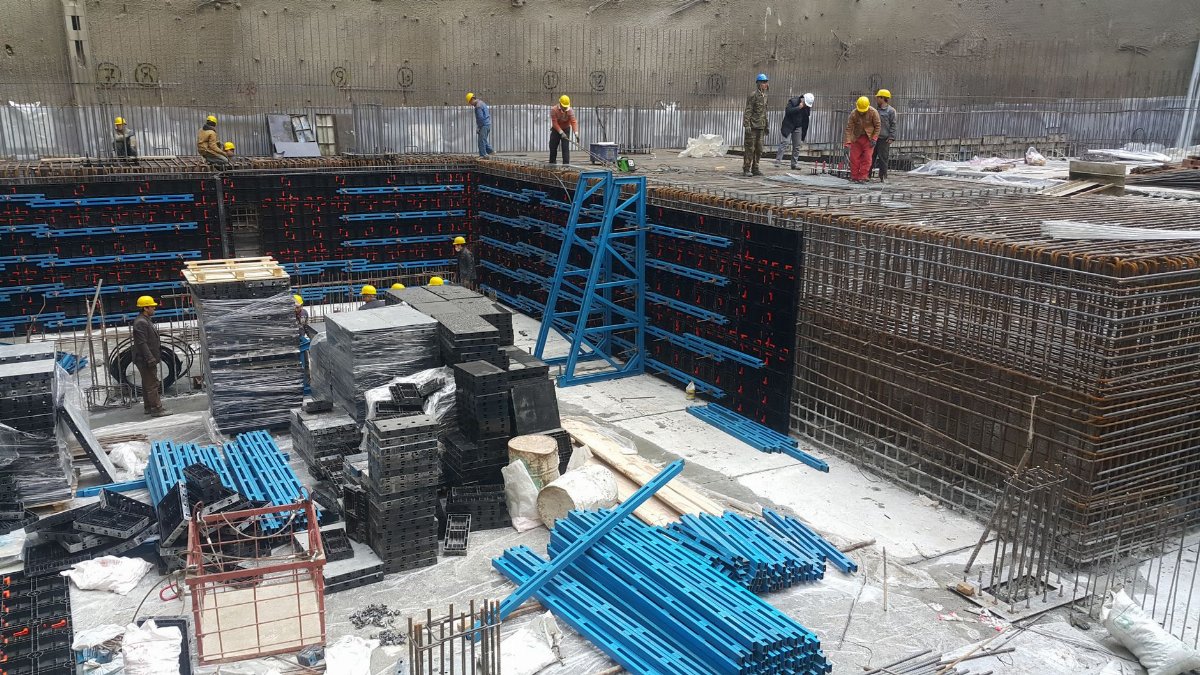
The initiative in Chicago represents one of the larger investments in regional tourism and leisure facilities in recent years. Local authorities approved the plans with expectations of substantial job creation and tax revenue over an extended period. Yet delays in certain phases have prompted reevaluation of spending priorities at the corporate level.
Details of the Going Concern Alert

Company filings reveal explicit language about uncertainties surrounding short term funding needs. Executives emphasized efforts to secure additional resources while maintaining core operations at existing properties across the country. This step is uncommon and typically reserved for moments when viability appears in question without immediate corrective action.
Impact of Construction Pauses

Work on portions of the complex unrelated to gaming has been halted temporarily according to statements from project managers. Such measures aim to preserve cash reserves amid volatile market conditions. Community groups have expressed disappointment over the ripple effects on employment and ancillary business opportunities.
Reactions from Investors and Analysts

Market participants responded with measured caution as share values fluctuated following the disclosure. Some experts suggest the move reflects prudent management while others see it as indicative of broader vulnerabilities in the sector. Portfolio managers are monitoring updates closely for signs of stabilization.
Broader Context in the Casino Sector

Several operators nationwide have encountered similar pressures tied to rising costs and evolving consumer preferences. Expansion strategies that once seemed assured now require more flexible financing arrangements. This environment favors companies with diversified revenue streams and strong balance sheets.
Local Economic Implications

Chicago stands to gain from the completed facility through increased visitor spending and related services. Any prolonged setbacks could alter projections for municipal budgets and workforce development programs. Stakeholders continue to advocate for transparent communication from all parties involved.
Future Outlook and Potential Resolutions

Ballys has outlined steps to address the identified shortfalls including negotiations with lenders and possible asset reviews. Success depends on timely execution and favorable economic trends. The path forward remains subject to ongoing assessments by regulators and financial partners.