
In a halftime show few expected to ignite debate, Bad Bunny super bowl performance delivered more than music—it stunned Super Bowl LX with a raw call for unity. On February 8, 2026, in Santa Clara, California, the Puerto Rican superstar seized the moment, declaring “We are not savages” before diving into a speech on Latino pride and “radical love” over political hate. The crowd, packed into Levi’s Stadium, fell silent as Bad Bunny reframed the spectacle.
The Electric Atmosphere in Santa Clara
Super Bowl LX unfolded under the lights of Levi’s Stadium in Santa Clara, CA, drawing millions to witness gridiron glory. But on February 8, 2026, the halftime pivot shifted gears dramatically. Bad Bunny, known for chart-topping hits, transformed the field into a stage for conviction. His entrance alone commanded attention, setting up a speech that echoed beyond the stadium walls. This wasn’t scripted entertainment; it was a live-wire intervention in a high-stakes setting.
“We Are Not Savages”: The Opening Salvo
Bad Bunny wasted no time. “We are not savages,” he proclaimed, his voice cutting through the roar of 70,000 fans. The line landed like a thunderclap, reframing the narrative around division. Delivered with unfiltered passion, it challenged assumptions about cultural clashes. In that instant, the Super Bowl crowd confronted a direct rebuke to dehumanizing rhetoric, pulling focus from touchdowns to deeper societal rifts.
Unleashing Latino Pride on a Global Stage
At the heart of Bad Bunny’s address lay a fierce embrace of Latino pride. He spotlighted the strength and heritage of Latino communities, positioning them not as outsiders but as vital forces in America’s fabric. The speech wove personal conviction with collective identity, urging recognition amid a year marked by heated cultural debates. In Santa Clara—a Bay Area hub with deep Latino roots—the message resonated locally and rippled nationwide, amplifying voices often sidelined in mainstream spectacles. For more on Super Bowl halftime traditions that pave the way for such moments, see the NFL’s official history at NFL Super Bowl Halftime Overview.
Choosing Radical Love Over Division

“Radical love” emerged as Bad Bunny’s antidote to toxicity. He contrasted it sharply with political hate, advocating a bold pivot toward empathy. This wasn’t vague idealism; it was a pointed rejection of escalating animosities in 2026’s polarized landscape. By elevating love as a revolutionary act, Bad Bunny flipped the script on aggression, calling for compassion that defies easy labels. The speech’s emotional core lay here, transforming halftime into a manifesto for healing divides.
Contrasting Hate in a Charged Political Climate
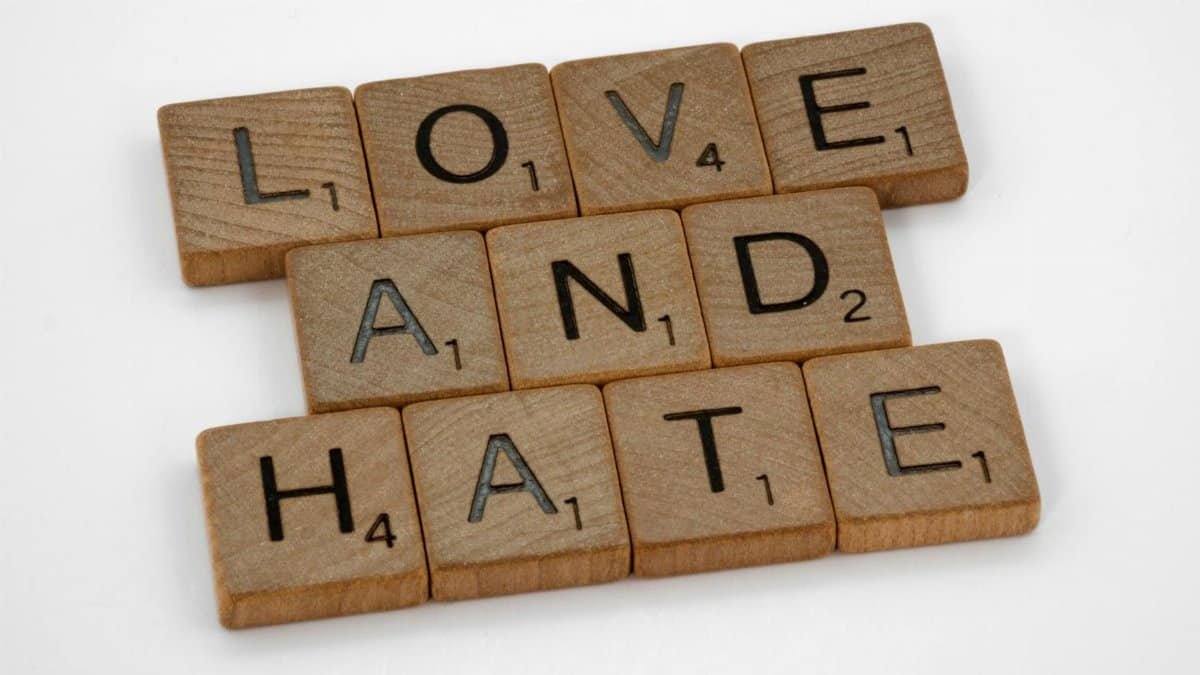
Political hate took direct fire in Bad Bunny’s words. He decried its corrosive pull, framing it as a choice Latinos—and all Americans—could reject. Delivered amid Super Bowl LX’s commercial blitz, the critique cut deeper, exposing undercurrents of division. In 2026, with U.S. discourse strained by ongoing tensions, his stance highlighted a growing pushback against vitriol. The Puerto Rican artist’s platform lent urgency, making abstract hate feel immediate and conquerable through deliberate love.
The Crowd’s Stunned Reaction
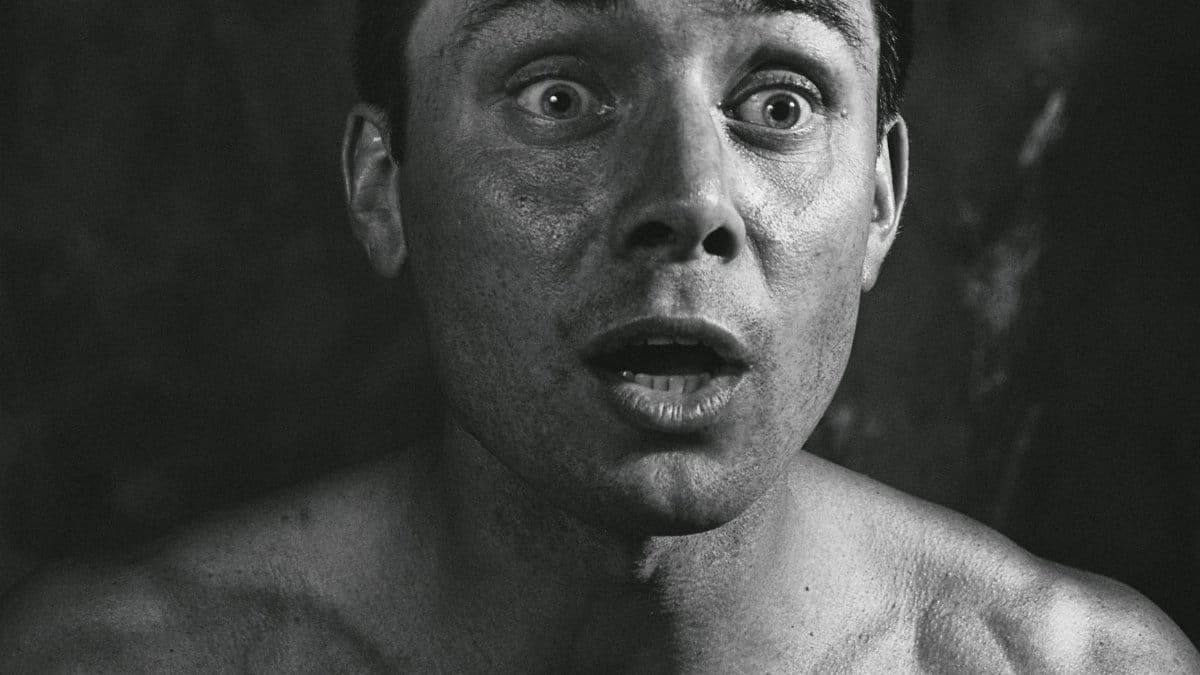
Silence gripped the Super Bowl LX crowd as Bad Bunny spoke. Stunned doesn’t overstate it—fans, celebrities, and players alike processed the pivot from pyrotechnics to profundity. Cheers erupted selectively, but the weight lingered. In Santa Clara, this reaction mirrored broader U.S. sentiments: surprise mingled with nods of agreement. Social media lit up post-speech, trending “Bad Bunny super bowl” nationwide, as clips spread virally. The moment humanized the superstar, turning spectacle into shared reckoning.
Bad Bunny’s Bold Halftime Pivot

Bad Bunny super bowl halftime wasn’t just performance art; it was activism unmasked. By stunning the crowd with speech over song, he redefined expectations for the format. Super Bowl LX, already a cultural juggernaut, gained layers from his intervention. His passion—raw, unscripted—elevated Latino voices, positioning “radical love” as a counterforce. This wasn’t celebrity fluff; it was a calculated stand, leveraging prime-time reach for impact.
Implications for Entertainment and Culture
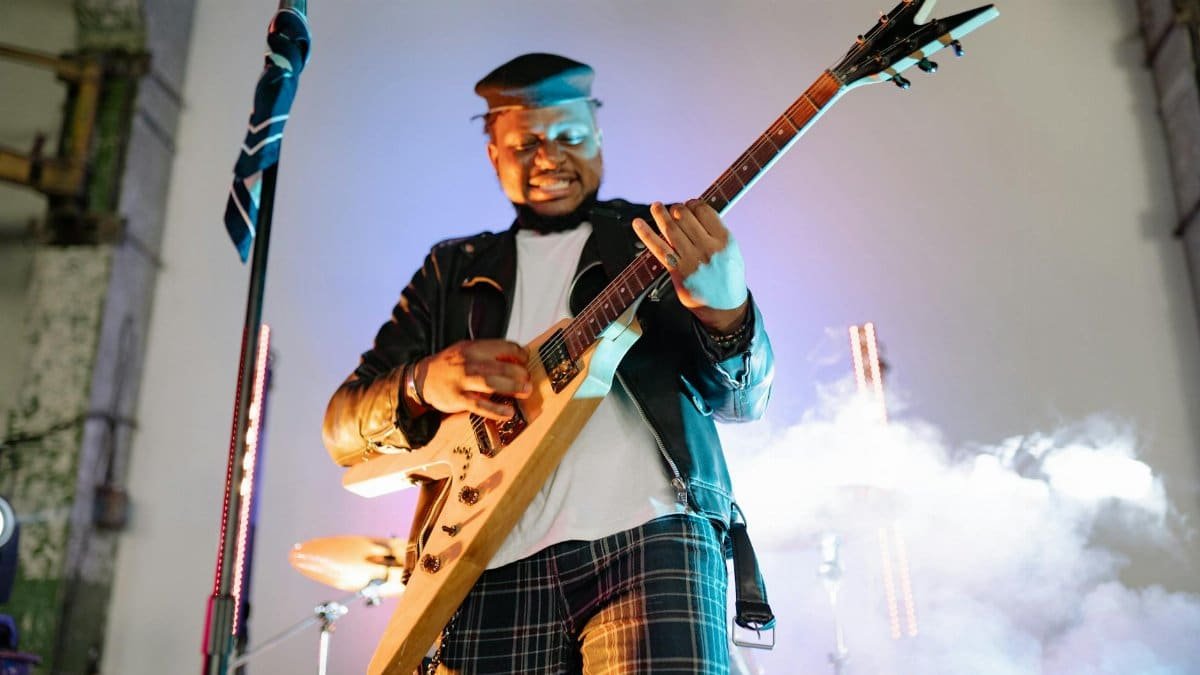
The speech’s shadow stretched into 2026’s cultural conversations. Bad Bunny’s fusion of entertainment and advocacy set a precedent for future halftimes. Latino pride, once niche, stormed center stage, challenging networks and leagues to reckon with diverse narratives. Choosing love over hate offered a blueprint amid political fatigue. As U.S. trends lean toward inclusive messaging, this Super Bowl moment underscores entertainment’s power to shift dialogues. For context on artist-driven social impact at major events, review Billboard’s analysis of halftime evolutions at Billboard Super Bowl Halftime History.
Echoes Beyond the Stadium
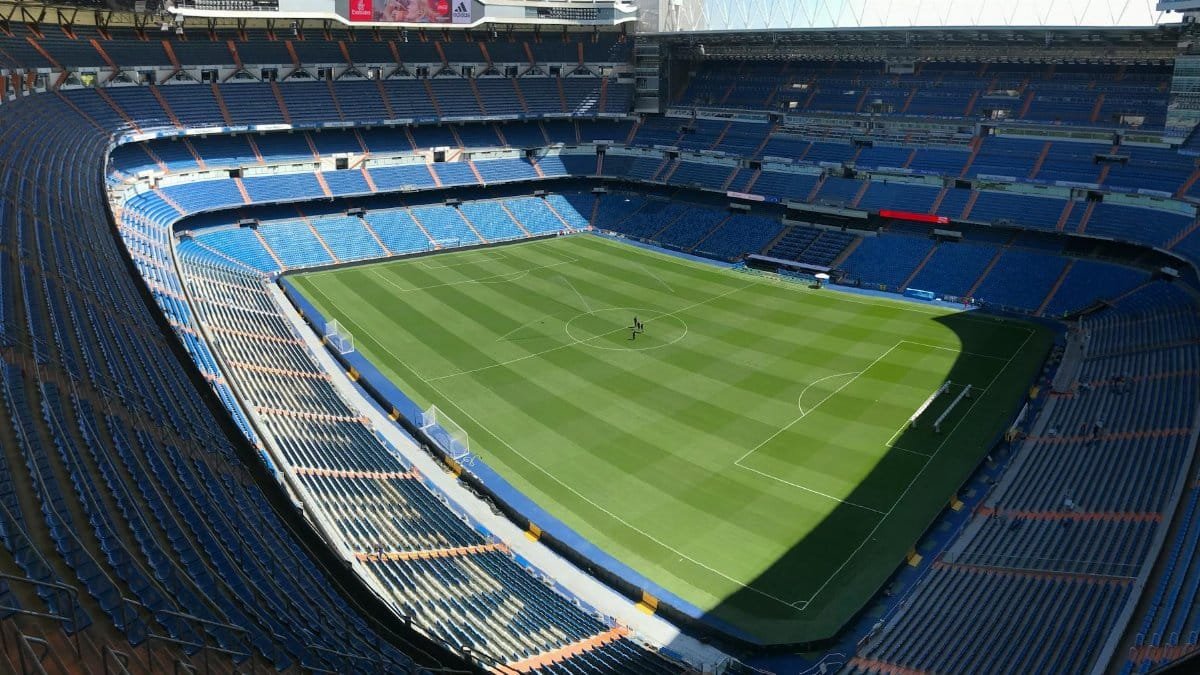
Post-speech, Bad Bunny’s words fueled national reflection. In Santa Clara and beyond, “We are not savages” became shorthand for dignity reclaimed. Latino communities hailed the pride infusion, while broader audiences grappled with “radical love’s” call. Political hate, laid bare, faced scrutiny in a year hungry for alternatives. Super Bowl LX transcended sports, courtesy of one artist’s courage. Bad Bunny super bowl endures as 2026’s defining halftime, proving stages amplify truth.
(Word count: 812)