
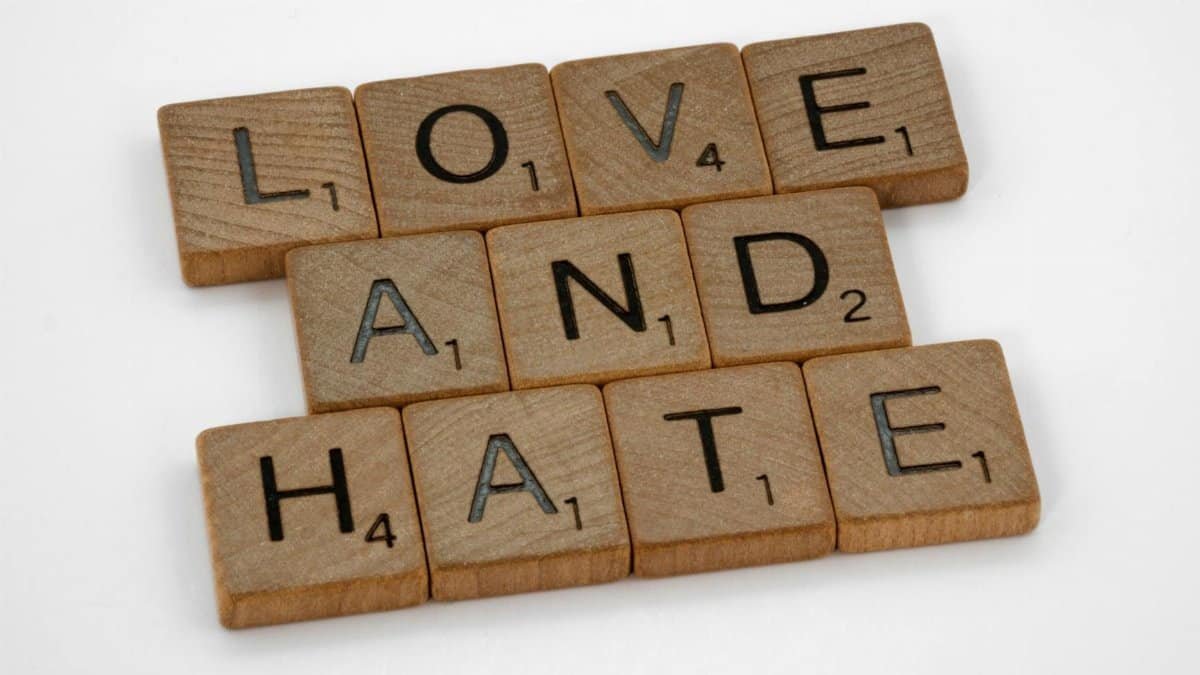
In a charged moment at the Grammys on February 2, 2026, Bad Bunny delivered an emotional plea that cut through the glamour: fight division with “radical love,” not political hate. “We get contaminated by anger,” he declared, urging the world to choose empathy over rage. This bad bunny speech resonated deeply, transforming a music award stage into a platform for unity amid global tensions.
The Grammy Spotlight
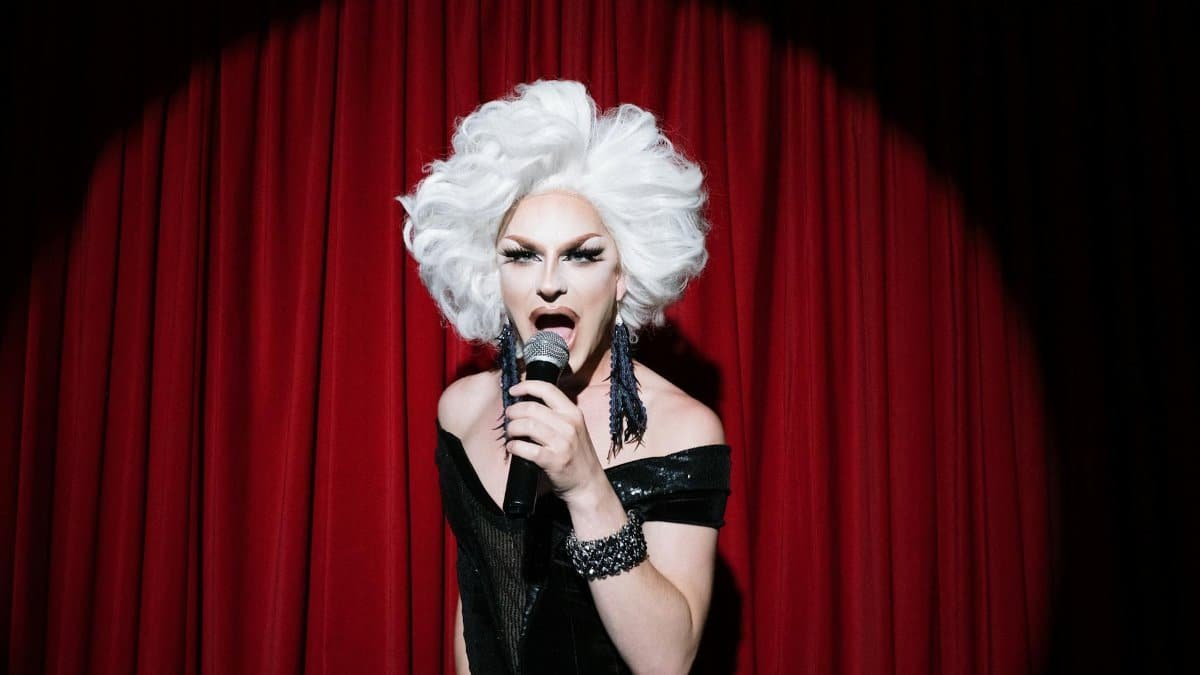
Bad Bunny took the stage amid the bright lights of the 2026 Grammys, a night dedicated to celebrating artistic excellence. His win positioned him perfectly to address broader issues. The speech unfolded emotionally, capturing attention from millions watching live. Organizers later highlighted how such moments elevate the event beyond music, fostering dialogue on pressing matters. For context on Grammy traditions, see the official GRAMMY.com News Archive, where past acceptance speeches often tackle social themes.
A Raw Admission of Anger
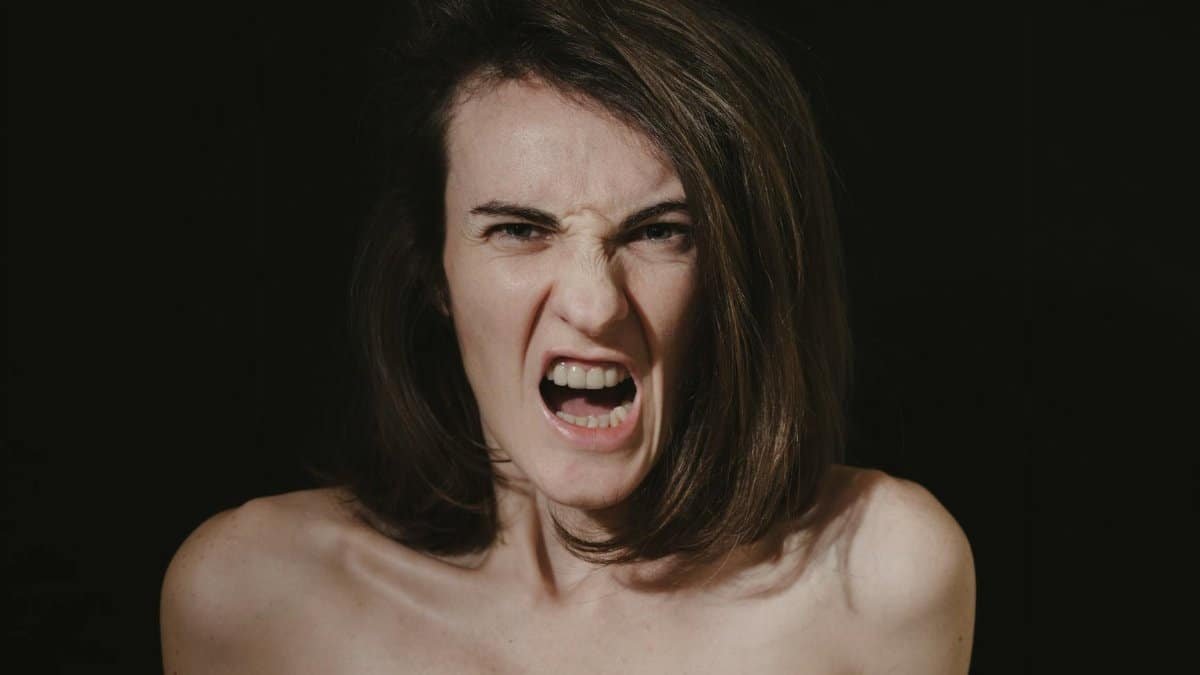
“We get contaminated by anger.” Those words opened Bad Bunny’s address with stark honesty. He acknowledged a universal struggle, where fury spreads like a toxin, poisoning relationships and societies. In 2026, with political divides deepening across the U.S. and beyond, this line struck a nerve. Bad Bunny didn’t shy away; he named the contamination directly, framing anger as an invasive force that demands confrontation. His delivery—voice steady yet laced with passion—made the point unforgettable.
Emotional Depth on Display

The speech brimmed with emotion, Bad Bunny’s eyes reflecting genuine conviction. As a Puerto Rican artist who has risen to global stardom, he spoke from a place of lived experience. Tears nearly surfaced as he pivoted from diagnosis to solution, embodying vulnerability. This rawness amplified his message, turning a personal reflection into a collective call. Listeners noted how his tone shifted seamlessly, building urgency without overwhelming the room.
Calling for Radical Love

At the heart of the bad bunny speech lay “radical love”—a bold antidote to division. Bad Bunny urged listeners to embrace this fierce compassion actively. Not passive kindness, but a revolutionary choice to prioritize humanity over discord. He positioned it as the true power, capable of dismantling barriers erected by hate. In a year marked by polarized debates, this concept offered a fresh rallying cry, simple yet profound.
Rejecting Political Hate
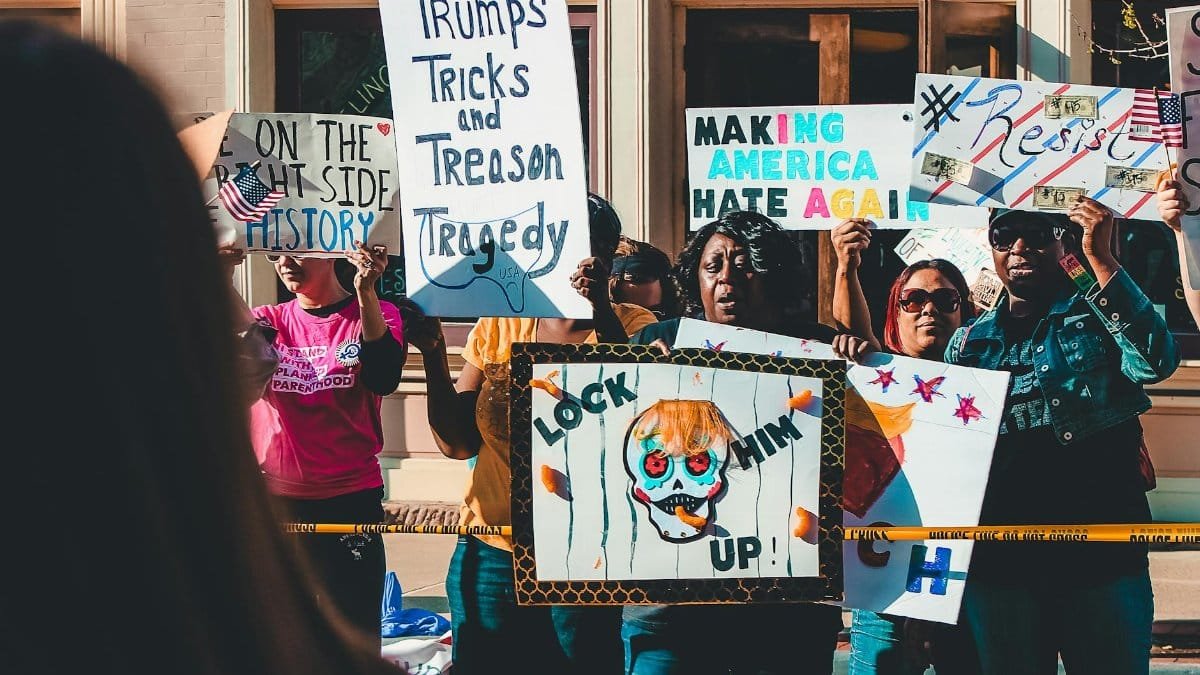
Political hate drew Bad Bunny’s sharpest rebuke. He contrasted it directly with radical love, warning against its divisive pull. The speech framed politics not as the enemy, but its weaponized anger as the contaminant to avoid. This nuance avoided partisanship, focusing instead on universal healing. By naming “political hate,” he spotlighted how rhetoric fuels rifts, urging a higher path forward.
Fighting Division Head-On

Bad Bunny’s core urging: combat division proactively. The world, he said, faces fragmentation on multiple fronts—cultural, social, ideological. His Grammy platform amplified this fight, reaching fans from Los Angeles to San Juan. In 2026, as U.S. communities grapple with echo chambers, the speech modeled resistance through love. It wasn’t abstract; it was a direct challenge to choose unity daily.
Bad Bunny’s Growing Influence
As Benito Antonio Martínez Ocasio, known as Bad Bunny, he wields massive cultural sway. His Grammy moment built on prior hits blending reggaeton with activism. This speech solidified his role as a voice for the voiceless, blending entertainment with enlightenment. Fans and critics alike praised the authenticity, with social media buzzing post-event. For more on his career trajectory, check the GRAMMY.com Artist Profile.
Resonance in a Divided 2026
The bad bunny speech landed at a pivotal time. Early 2026 saw heightened tensions from elections and global unrest, making his words timely. Media outlets replayed clips, sparking discussions on empathy’s role in public life. Artists rarely seize such moments so pointedly, yet Bad Bunny did, proving music’s power to inspire change. His message lingers, challenging listeners to reject anger’s spread.
Key Takeaways from the Address

Break it down: Admit anger’s contamination. Reject political hate’s grip. Champion radical love. Fight division relentlessly. These pillars formed the speech’s architecture, delivered with emotional precision. Bad Bunny avoided platitudes, grounding each in real-world urgency. The result? A blueprint for personal and societal shift, echoed in fan reactions worldwide.
Lasting Echoes
Days after February 2, 2026, the speech continued to ripple. Performers referenced it in interviews; fans shared personal stories of applying radical love. Bad Bunny’s vulnerability invited others to follow suit. In a landscape craving hope, this Grammy highlight stands as a testament to love’s potency over hate, urging action now.