

A recent study from the National Center for Complementary and Integrative Health revealed that over 1.2 million adults in the U.S. turned to reiki practice for stress relief in the past year, a 15% increase from previous surveys. This surge reflects a broader shift toward holistic wellness amid rising mental health concerns. In Austin, Texas, this trend is taking root in an unexpected place: public schools. As the city grapples with student anxiety exacerbated by post-pandemic pressures, educators are introducing reiki practice, Austin wellness initiatives aimed at fostering calm and resilience. Far from fringe, these programs position reiki as a tool for everyday stress relief, blending ancient energy healing with modern educational needs. But what does this mean for the classroom in 2025?
The Roots of Reiki and Why It’s Gaining Traction in Austin

Reiki, a Japanese technique developed in the early 20th century by Mikao Usui, involves practitioners channeling energy through gentle touch or hovering hands to promote healing. It’s not about magic or mysticism, but rather a subtle way to balance the body’s energy fields, often leading to deep relaxation. In a city like Austin, known for its vibrant wellness scene—from yoga studios dotting South Congress to herbal apothecaries in East Austin—this practice fits seamlessly. Local experts point out that reiki’s appeal lies in its accessibility; no equipment needed, just intention and presence.
Consider a typical session: A participant lies fully clothed while the practitioner places hands on or near key areas like the head or chest. The experience can feel like a warm wave washing over tension. One Austin resident, reflecting on their first encounter, described it as “a quiet reset button for the mind.” This simplicity is drawing educators who see parallels with mindfulness exercises already in schools. According to the National Center for Complementary and Integrative Health, reiki is increasingly studied for its potential in reducing anxiety, though evidence remains mixed.
Yet, Austin’s embrace isn’t isolated. Nationwide, wellness programs are evolving, with cities like Seattle and Denver experimenting similarly. Here, it’s the community’s progressive vibe that accelerates adoption—think live music venues hosting reiki circles alongside indie bands. As stress levels climb among young people, reiki offers a non-pharmacological option, one that’s both gentle and empowering.
Integrating Reiki into School Curriculums: A 2025 Initiative
Picture a middle school in Austin’s Hyde Park neighborhood, where the morning bell signals not just classes, but optional wellness sessions. Starting this year, select Austin Independent School District campuses are piloting reiki practice as part of broader wellness programs. Teachers trained in basic techniques lead short group sessions, focusing on stress relief during high-pressure periods like exam weeks.
The rollout began with workshops for staff, ensuring buy-in from the ground up. One principal shared how a brief reiki exercise before meetings transformed the room’s energy—less fidgeting, more focus. For students, it’s woven into health classes or after-school clubs, often paired with breathing exercises. The goal? Equip kids with tools to manage the overwhelm of social media, academic demands, and family stresses.
This isn’t without precedent. Programs like these draw from successful models in California, where mindfulness has cut suspension rates by 45%, per a report from the Mindful Schools organization. In Austin, early feedback suggests reiki helps students feel more grounded, turning abstract wellness concepts into tangible relief.
Stress Relief Benefits: What Science and Stories Say
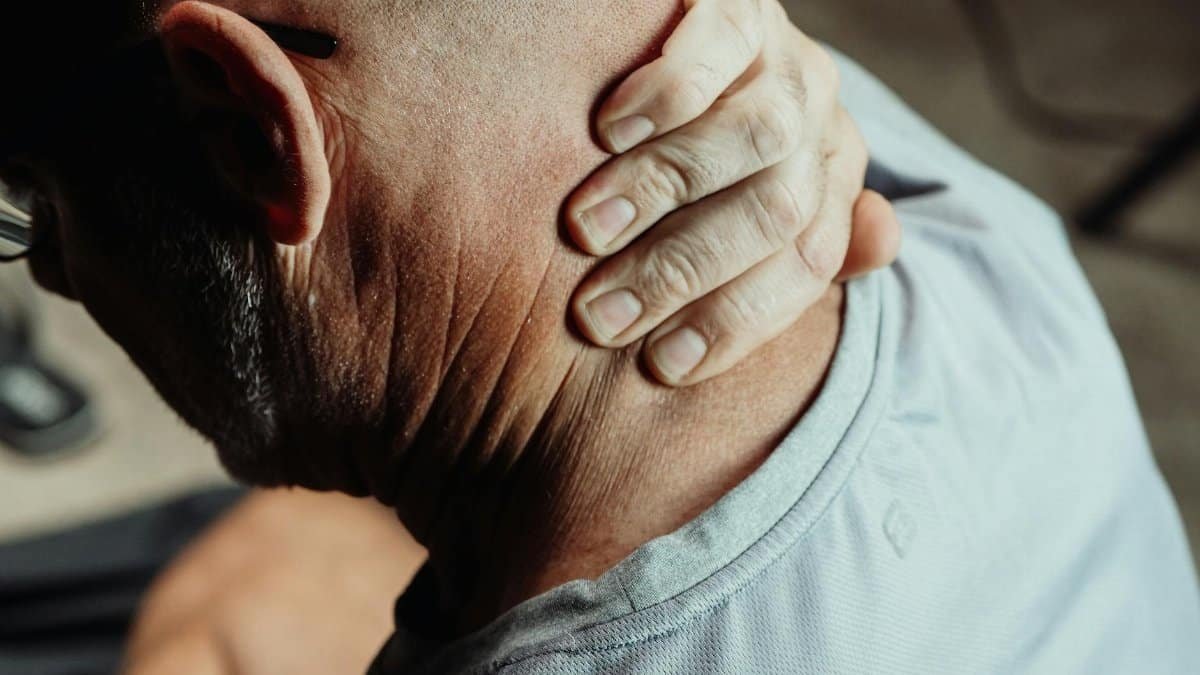
At its core, reiki practice targets the autonomic nervous system, potentially shifting the body from fight-or-flight mode to rest-and-digest. Participants often report lower heart rates and a sense of calm that lingers. A study published in the Journal of Evidence-Based Complementary & Alternative Medicine found that reiki sessions reduced stress markers in nurses by 20%, hinting at broader applications.
In Austin’s wellness circles, personal accounts amplify these findings. Take a high schooler who, amid college application frenzy, attended a school reiki session. “It was like someone turned down the volume on my worries,” they later said. Such stories underscore reiki’s role in stress relief, especially for youth facing unprecedented mental health challenges. The Centers for Disease Control and Prevention notes that teen anxiety has spiked 30% since 2020, making interventions like this timely.
Of course, not everyone experiences profound shifts. Some sessions feel subtle, like a mild meditation. But in a fast-paced city, even that pause can be revolutionary, helping students build emotional resilience one breath at a time.
Challenges in Bringing Reiki to Classrooms

Skepticism abounds. Critics argue reiki lacks rigorous scientific backing, labeling it pseudoscience. In school board meetings, parents have voiced concerns: Is this diverting funds from proven therapies? One meeting in Austin turned heated when a parent questioned, “Why energy healing when we need more counselors?”
Implementation hurdles include training costs and ensuring cultural sensitivity—reiki’s Japanese origins demand respectful adaptation. Schools are addressing this by partnering with certified practitioners from diverse backgrounds, avoiding any spiritual overtones to keep it secular.
Despite pushback, proponents highlight its low-risk nature. As one educator put it, “If it helps even a few kids unwind, isn’t that worth exploring?” Balancing evidence with empathy remains key, especially as Austin navigates this in 2025.
Community Voices: Parents, Teachers, and Students Weigh In

Online discussions often reveal a mix of excitement and caution around reiki practice, Austin wellness efforts. One anonymous parent shared publicly how their child, struggling with test anxiety, found unexpected solace in a school session: “They came home less frazzled, more themselves.” This echoes sentiments from teachers who notice calmer classrooms post-reiki.
Yet, not all feedback glows. A veteran instructor admitted initial doubts, only to warm up after seeing students engage. “It’s not a cure-all,” she said, “but it opens doors to talking about feelings.” These snapshots illustrate reiki’s grassroots appeal, fostering community dialogues on holistic stress relief.
Broader Impacts on Student Wellness and Resilience
Beyond immediate calm, reiki may cultivate long-term skills. By encouraging self-awareness, it complements social-emotional learning curricula, helping students recognize stress signals early. In Austin, where wellness is a cultural staple—think Barton Springs dips for mental resets—this integration feels organic.
Research from the Mayo Clinic suggests reiki can enhance overall well-being, potentially reducing absenteeism tied to burnout. For marginalized students, it offers an inclusive tool, free from stigma often attached to therapy.
As 2025 unfolds, these programs could redefine school wellness, making stress relief as routine as recess.
Training Educators: Building a Sustainable Model

Austin’s approach emphasizes certification. Local reiki masters offer condensed courses, blending theory with hands-on practice. One workshop I observed featured teachers practicing on each other, laughter mixing with focused silence as they honed techniques.
This model ensures scalability, with plans to expand district-wide. Challenges like time constraints persist, but successes in pilot schools—fewer behavioral issues reported—bolster momentum.
Comparing Reiki to Other Wellness Practices in Schools
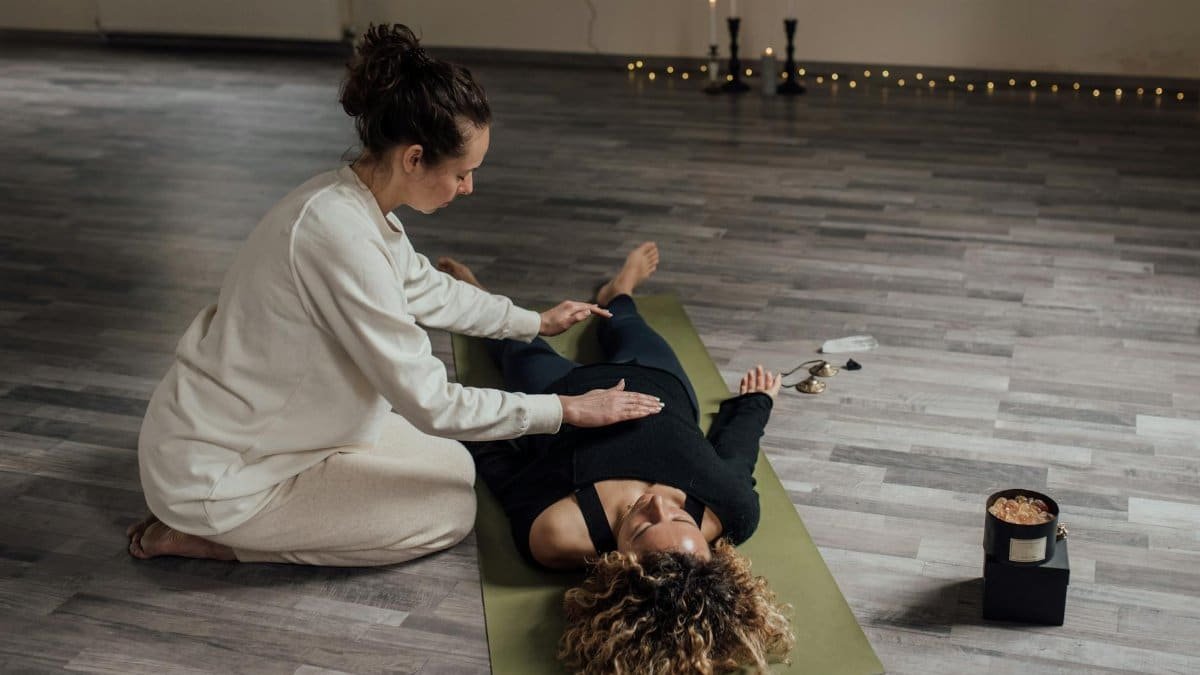
Unlike yoga’s physical demands or meditation’s stillness, reiki requires minimal effort, ideal for fidgety kids. It pairs well with art therapy, amplifying creative expression. In contrast to medication, it’s non-invasive, appealing to holistic-minded families.
A Pew Research survey on American attitudes toward alternative health shows growing acceptance, with 36% of adults open to energy-based practices. Austin’s initiative rides this wave, potentially setting a national example.
Ethical Considerations and Future Directions

Ethically, consent is paramount—students opt in, and sessions are voluntary. Schools must monitor outcomes, perhaps through anonymous surveys, to refine the program.
Looking forward, if data shows promise, reiki could integrate into teacher training nationwide. In Austin, it’s already sparking collaborations with local clinics, blurring lines between education and community health. This evolution highlights reiki’s potential as a bridge to broader wellness, addressing stress relief in innovative ways.
The path ahead invites reflection: In an era of constant connectivity, practices like reiki remind us that healing often starts with stillness. As Austin schools pioneer this, they might just inspire a calmer generation.