
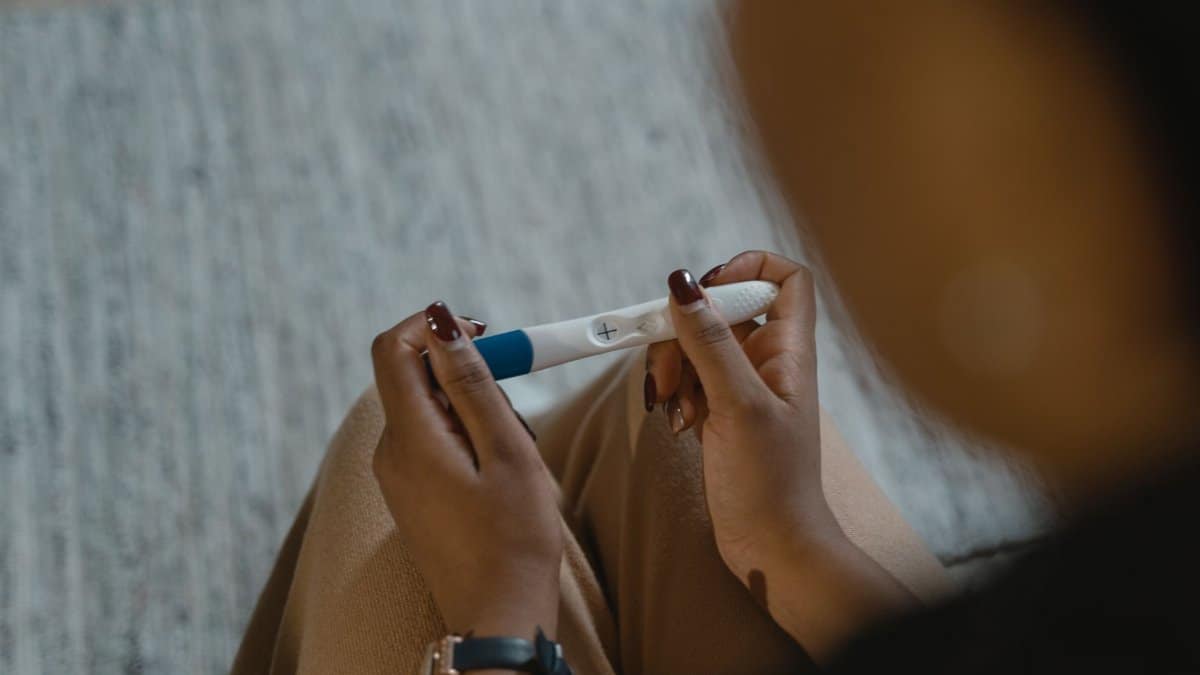
In recent years more young adults have received cancer diagnoses prompting medical professionals to focus on long term quality of life after treatment. One area gaining attention involves helping these patients maintain the possibility of having children later. The emerging practice of oncofertility cancer addresses this need by combining oncology with reproductive medicine. Patients who once faced certain infertility now benefit from techniques that safeguard eggs sperm and reproductive tissue before aggressive therapies begin. This shift reflects broader changes in how doctors approach survivorship with an emphasis on personal futures that include family building.
Rising Diagnoses in Younger Adults

Cancer cases among people in their twenties thirties and forties have climbed steadily over the past decade. Data from major health agencies show increases in colorectal breast and testicular cancers within these groups. Factors such as diet environmental exposures and delayed childbearing may play roles though researchers continue to investigate root causes. These trends have pushed hospitals to integrate fertility discussions into initial treatment plans rather than treating them as afterthoughts.
Core Principles of Oncofertility Cancer Care
Oncofertility cancer programs bring together oncologists reproductive endocrinologists and counselors under one umbrella. The goal remains to coordinate care so that life preserving treatments do not automatically close doors to biological parenthood. Teams meet with patients soon after diagnosis to outline options tailored to age cancer type and timeline for therapy. Such collaboration reduces the chance that urgent medical needs overshadow future family goals.
Techniques for Egg and Sperm Preservation
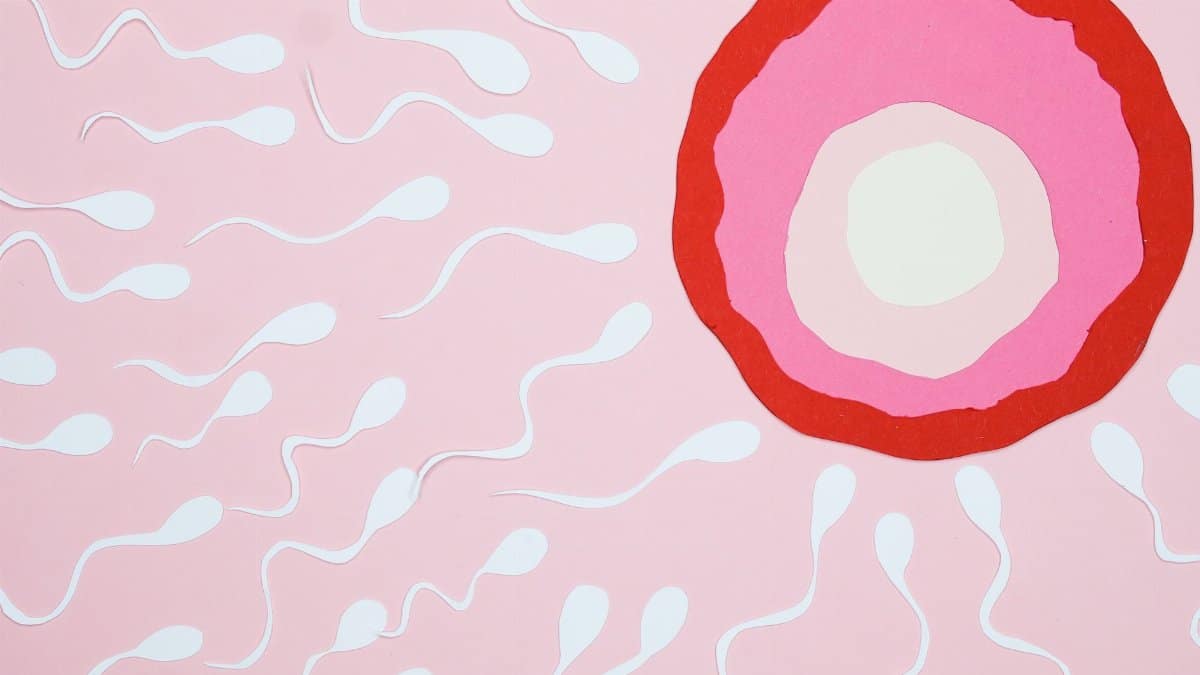
Women facing chemotherapy or radiation can undergo egg retrieval cycles that freeze mature oocytes for later use. Men similarly provide sperm samples for cryopreservation prior to treatment. Both processes require coordination with oncology schedules yet offer high success rates when completed in time. Clinics now streamline these steps to minimize delays in starting cancer therapy.
Tissue and Organ Banking Advances
For patients whose conditions leave little room for standard retrieval methods ovarian and testicular tissue freezing provides another path. Surgeons remove small samples that can later be reimplanted or used to grow gametes in laboratory settings. Early trials indicate these approaches may expand options for prepubescent patients and those with aggressive disease.
Emotional Dimensions of Decision Making

A cancer diagnosis already carries heavy psychological weight and fertility choices add further layers of stress. Counselors within oncofertility cancer teams help patients weigh immediate survival against potential parenthood years ahead. Many describe relief at knowing options exist even if they choose not to pursue them right away. Support groups connect survivors who share similar experiences and ease feelings of isolation.
Insurance Coverage and Financial Realities

Despite medical progress costs for preservation procedures often fall outside standard insurance plans. Young patients already managing treatment expenses may view fertility services as unaffordable luxuries. Advocacy groups push for legislative changes that would mandate coverage similar to other essential cancer related care. Some states have passed measures while others lag creating uneven access across regions.
Global Research and Clinical Trials
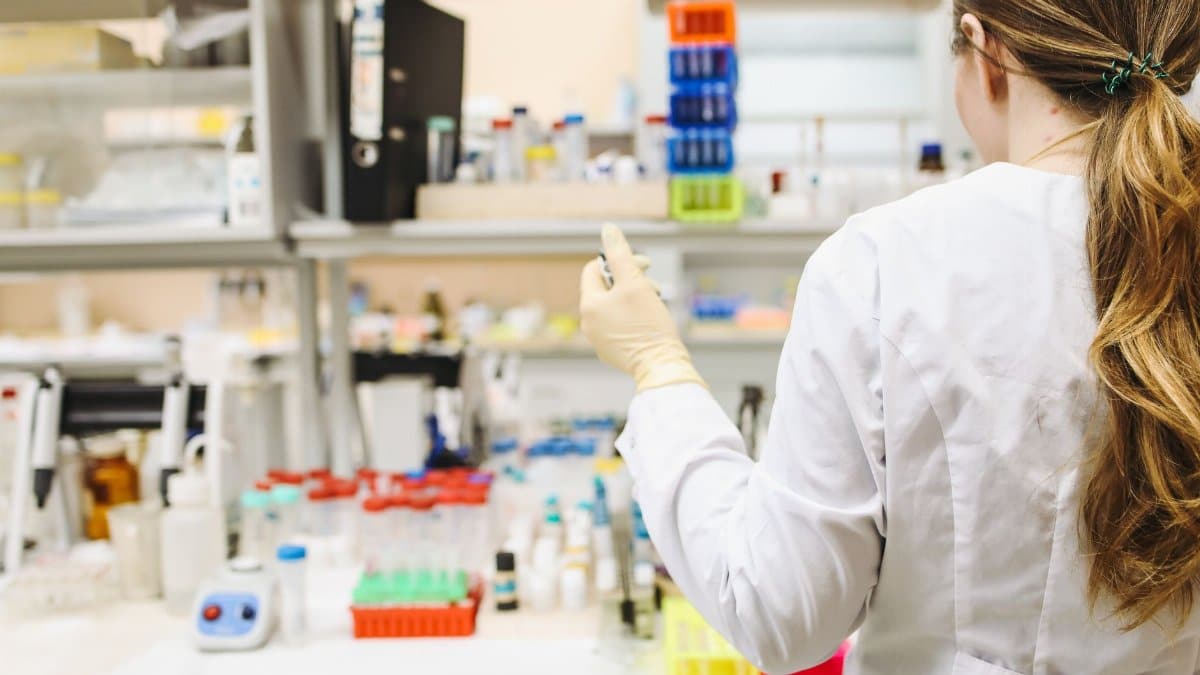
Scientists worldwide test new methods to improve success rates and reduce invasiveness of preservation techniques. Studies published in journals such as Fertility and Sterility examine outcomes for patients who later attempt pregnancy after oncofertility cancer interventions. Links to key papers appear on sites like pubmed.ncbi.nlm.nih.gov. International collaborations accelerate knowledge sharing and refine protocols for diverse populations.
Stories of Renewed Possibility
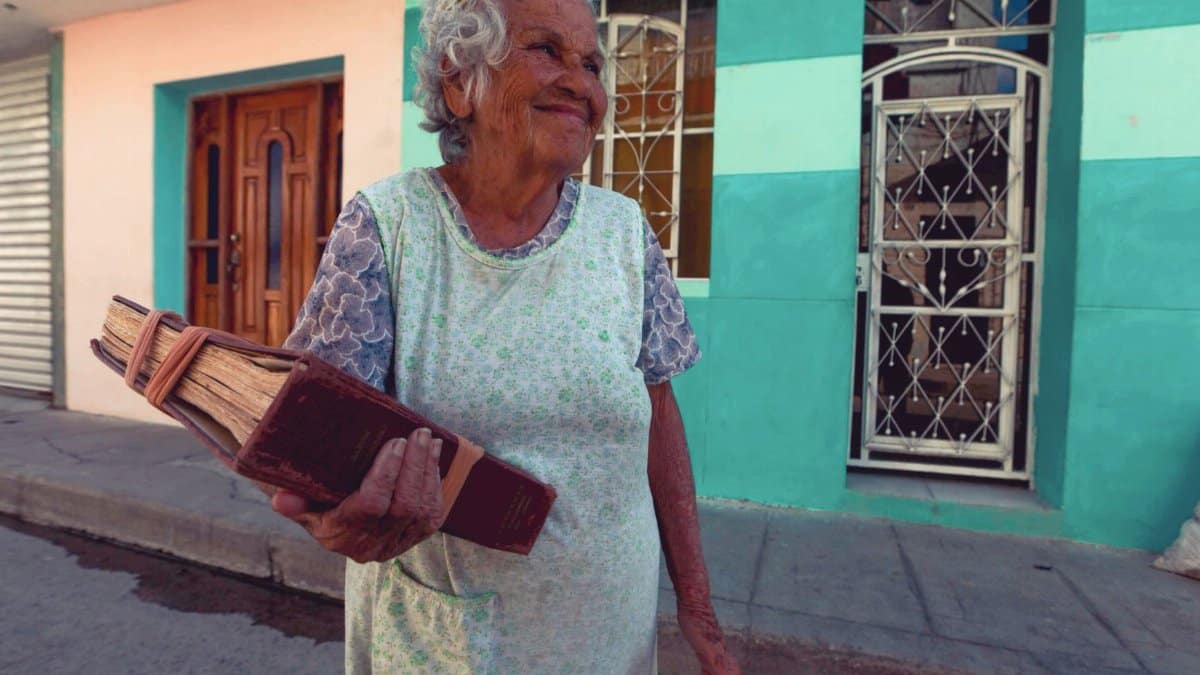
Survivors who return years later to use stored materials often speak of gratitude for decisions made during crisis. One woman in her late thirties recently welcomed a child conceived from eggs preserved before breast cancer treatment. Such accounts underscore how early conversations about reproductive futures can shape positive legacies long after remission.
Looking Ahead at Integrated Care Models

Hospitals increasingly view oncofertility cancer services as standard rather than experimental. Training programs for medical residents now include modules on fertility preservation to prepare the next generation of providers. As cancer rates in younger groups remain elevated these efforts promise to become more widespread and refined. The focus stays on giving patients every chance to define their lives beyond illness.