

In the bustling suburbs of Phoenix, where the desert sun beats down on endless strips of shopping centers and highways, a subtle movement is taking root. People are stepping back from the frenzy of daily life, embracing what some call the “slow, emotional, rush”—a deliberate practice of pausing amid emotional turbulence to regain clarity. It’s not about suppressing feelings but channeling them at a gentler pace. This trend echoes broader shifts across the U.S., where middle-aged Americans, juggling careers and family, seek ways to navigate stress without burnout. A recent survey by the American Psychological Association found that 77% of adults report regular emotional overwhelm, up from previous years. Yet in Arizona, this quiet technique is gaining traction, drawing from the state’s vast landscapes that naturally invite reflection. It’s a reminder that sometimes, the path to emotional balance lies in slowing down, not speeding up.
The Origins in Arizona’s Landscape
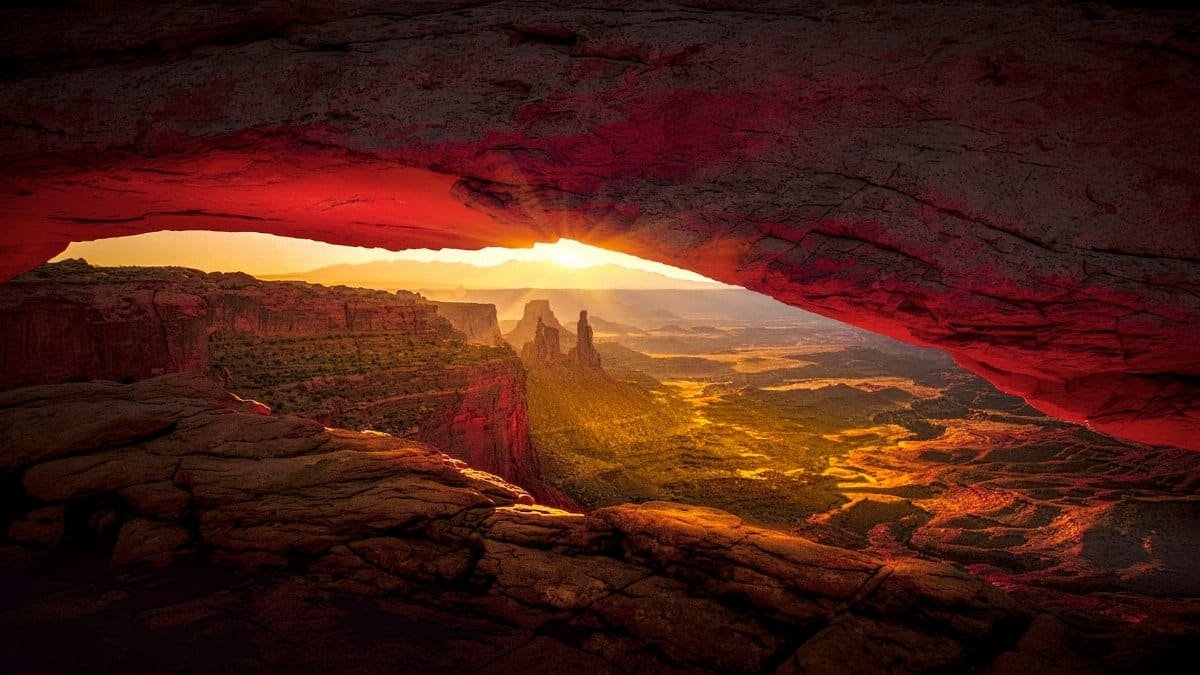
Arizona’s wide-open spaces have long inspired introspection. Think of the red rocks of Sedona or the endless horizons of the Sonoran Desert. These natural backdrops form the cradle for what practitioners describe as slowing the emotional rush—a method rooted in mindfulness but adapted to the Southwest’s rhythm. Local wellness retreats, often held in quiet canyons, teach participants to mirror the desert’s patience. One workshop leader in Tucson explained it simply: emotions surge like flash floods, but the technique trains you to observe them like a steady stream carving stone over time.
This approach didn’t emerge in a vacuum. It draws from indigenous traditions, such as those of the Navajo and Hopi peoples, who have emphasized harmony with nature for centuries. Modern adaptations blend these with contemporary psychology. For instance, a study from the University of Arizona’s psychology department highlights how environmental immersion reduces cortisol levels, the hormone tied to stress. Participants exposed to natural settings reported a 20% drop in emotional reactivity after just a week. Such findings underscore why Arizona, with its unique terrain, has become a hub for this practice.
Yet it’s not all serene vistas. Urban dwellers in cities like Flagstaff adapt it to everyday chaos, using brief pauses during commutes. The key is accessibility—no need for a hiking trail, just a moment to breathe.
Breaking Down the Emotional Rush

Emotions hit hard and fast in our connected world. A heated email from work or a family argument can spiral into full-blown anxiety. Slowing the emotional rush starts with recognition. Practitioners advise labeling the feeling without judgment—anger, sadness, whatever it is—and then deliberately extending the space before reacting.
Consider a scenario from a Phoenix office worker, shared anonymously in online discussions: she felt rage building during a meeting, her heart pounding. Instead of snapping, she visualized the emotion as a wave cresting slowly over desert dunes. This mental shift, part of the technique, bought her time to respond thoughtfully. It’s backed by neuroscience. Research from the National Institutes of Health shows that mindfulness practices like this enhance prefrontal cortex activity, improving emotional regulation.
The process isn’t linear. Some days, the rush feels unstoppable, like trying to halt a dust storm. But consistency builds resilience, turning impulsive reactions into measured choices.
Practical Steps to Get Started
Begin small. Set aside five minutes daily for a “pause ritual.” Sit quietly, focus on your breath, and let emotions surface without rushing to fix them. In Arizona’s heat, many do this at dawn, when the air is cooler and the mind clearer.
Next, incorporate sensory anchors. Touch a smooth stone or listen to the wind—elements drawn from the state’s environment. A guide from a Scottsdale wellness center suggests journaling prompts: What triggered this rush? How does it feel in my body? This reflection slows the internal pace.
For those skeptical, evidence supports it. A report from the Pew Research Center on American stress patterns notes that mindfulness techniques correlate with lower burnout rates among midlife adults. Try it during routine stressors, like traffic on I-10. The goal? Transform overwhelm into opportunity.
Challenges arise, of course. Distractions pull you back into frenzy. But starting imperfectly is part of the appeal—it’s human, not robotic.
The Role of Community in Slowing Down

Isolation amplifies emotional rushes. In Arizona, groups are forming to counter this. From virtual meetups in Mesa to in-person circles in Prescott, people share stories of applying the technique. One gathering I observed featured participants recounting how slowing emotions mended relationships strained by quick tempers.
These communities foster accountability. A member might say, “Last week, I caught myself mid-rush and chose silence—it changed everything.” Such exchanges echo findings from Harvard’s long-term study on happiness, which links social connections to emotional well-being. The Harvard Grant Study reveals that strong relationships buffer against life’s stresses, much like this technique does.
Yet community isn’t always easy to find. For remote areas, online forums bridge the gap, though they emphasize real-world application over endless scrolling.
Challenges and Misconceptions

Not everyone buys into slowing the emotional rush. Critics dismiss it as navel-gazing, especially in a culture that prizes productivity. “Who has time to pause?” one skeptic might ask. Fair point—amid economic pressures, it can feel indulgent.
Misconceptions abound too. It’s not about ignoring emotions but engaging them deliberately. A common pitfall: forcing slowness, which backfires into frustration. Research from the Centers for Disease Control and Prevention on mental health interventions shows that rushed mindfulness efforts often fail, while gradual adoption yields lasting benefits.
In Arizona, where individualism runs deep, some resist the vulnerability required. But those who persist report deeper self-understanding, proving the technique’s worth despite hurdles.
Impact on Daily Life and Relationships
Imagine a couple in Tempe, arguing over finances. Instead of escalating, one partner slows the rush, saying, “Let’s take a breath.” This simple act diffuses tension, fostering empathy.
On a broader scale, it reshapes work dynamics. Managers in corporate Phoenix are adopting it for team meetings, reducing conflicts. A 2025 trend analysis predicts such practices will influence workplace wellness programs nationwide, as emotional intelligence becomes a key skill.
Personal growth follows. Users describe a quieter inner world, where rushes no longer dictate actions. It’s transformative, turning reactive living into intentional existence.
Beyond Arizona: National Relevance

While Arizona pioneered this quiet technique, its principles travel well. In crowded New York or rainy Seattle, adaptations thrive—urban parks replace deserts, but the core remains: slow the emotional rush to reclaim control.
Nationally, amid rising mental health concerns, it’s timely. The Substance Abuse and Mental Health Services Administration reports increasing demand for accessible tools. This method fits, requiring no apps or gear.
As 2025 unfolds, expect more integration into therapy and education, making emotional slowness a mainstream pursuit.
Reflections on Long-Term Benefits
Over time, slowing the emotional rush cultivates patience that spills into all areas. Practitioners note improved focus, better sleep, even enhanced creativity. It’s like tending a garden—slow work yields rich harvests.
One anonymized account from a public forum captured it: “After months, I feel less hijacked by my feelings. It’s freeing.” Such stories highlight the technique’s depth, inviting us to consider how we handle our inner storms.
In a world that hurries everything, this Arizona-born approach offers a counterpoint: true rush often comes from not slowing down at all.