
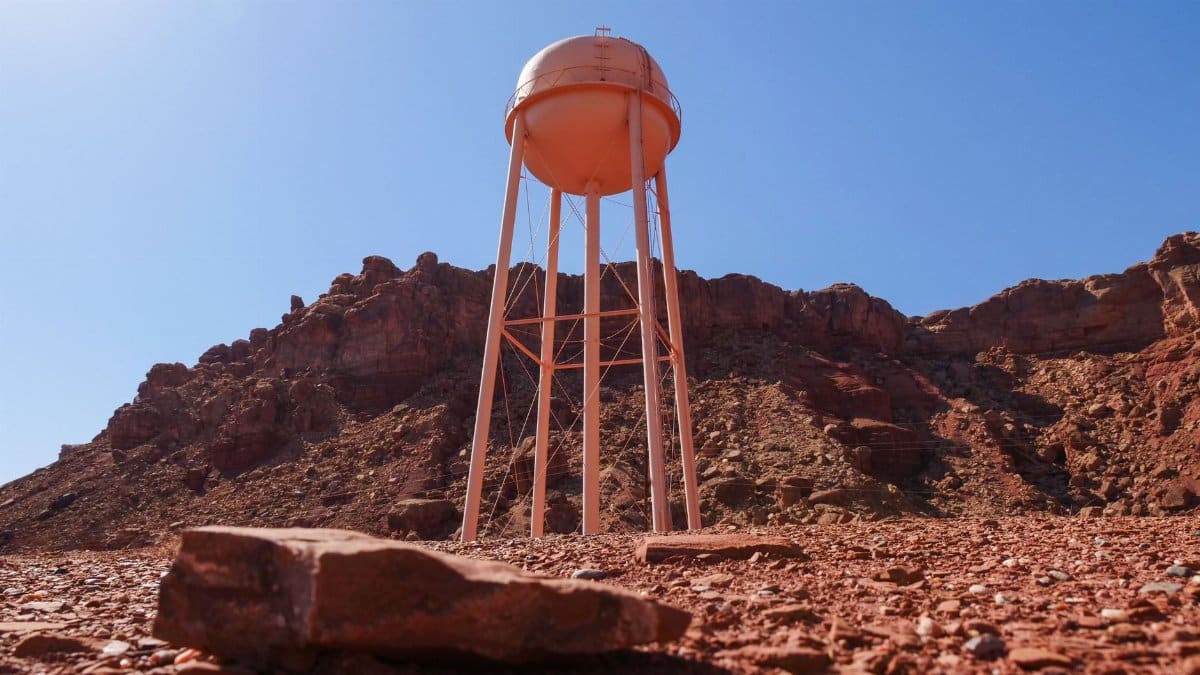
In the sunbaked valleys where rivers once ran fuller and fields stretched wider, communities now face the quiet arithmetic of dwindling reserves. A fresh university analysis brings both sobering projections and pockets of encouragement for Arizona water supply 2026, revealing how climate pressures reshape availability while also highlighting pathways for smarter management in the years ahead.
Shifting Climate Patterns Affect Resources
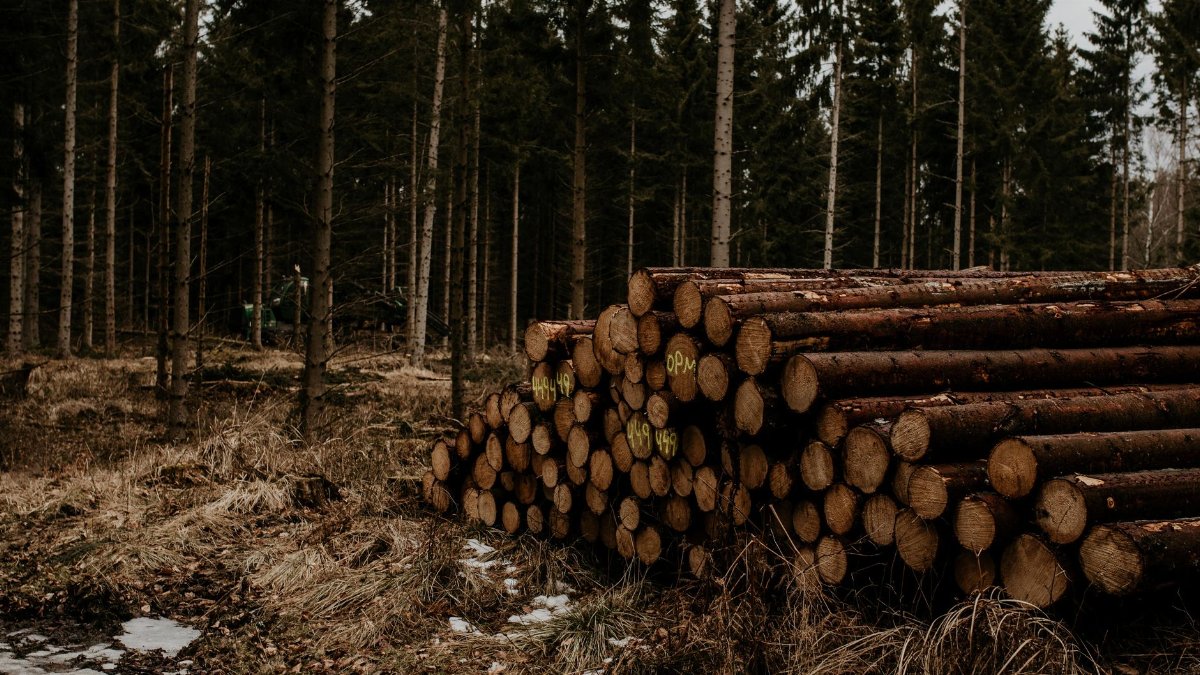
Rising temperatures have accelerated evaporation across the Colorado River basin and local aquifers. Data gathered over the past decade show reduced snowpack in upstream mountains, which normally feeds spring runoff. Researchers note that these trends place steady pressure on surface flows, forcing greater reliance on stored groundwater in many counties.
Groundwater Levels Show Signs of Recovery
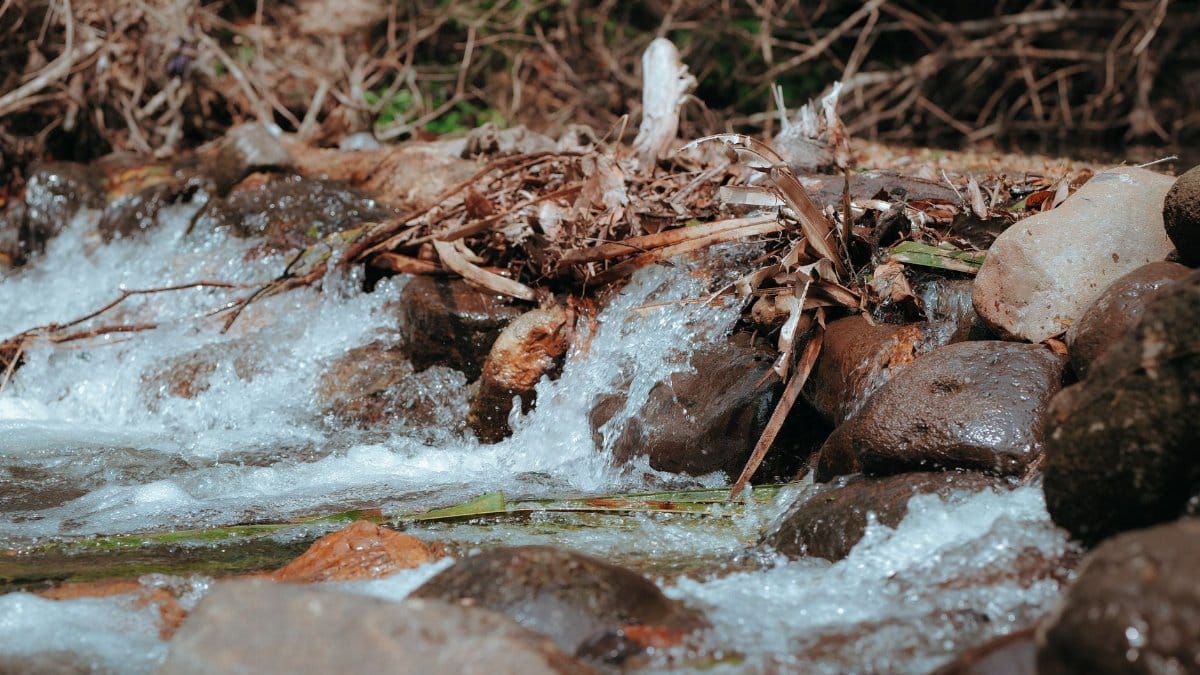
Despite overall declines, certain monitoring wells registered modest rebounds after targeted recharge efforts. In basins where surface water was deliberately directed underground during wetter seasons, levels stabilized or even rose slightly. These observations provide concrete evidence that active intervention can counterbalance some losses.
Recharge Projects Offer New Pathways

Engineers have expanded spreading basins and injection wells near urban corridors. Early results indicate that treated wastewater and captured stormwater can replenish aquifers at meaningful rates. Such infrastructure turns episodic rains into long term assets rather than letting them flow unused into downstream channels.
Urban Planning Adapts to Scarcity
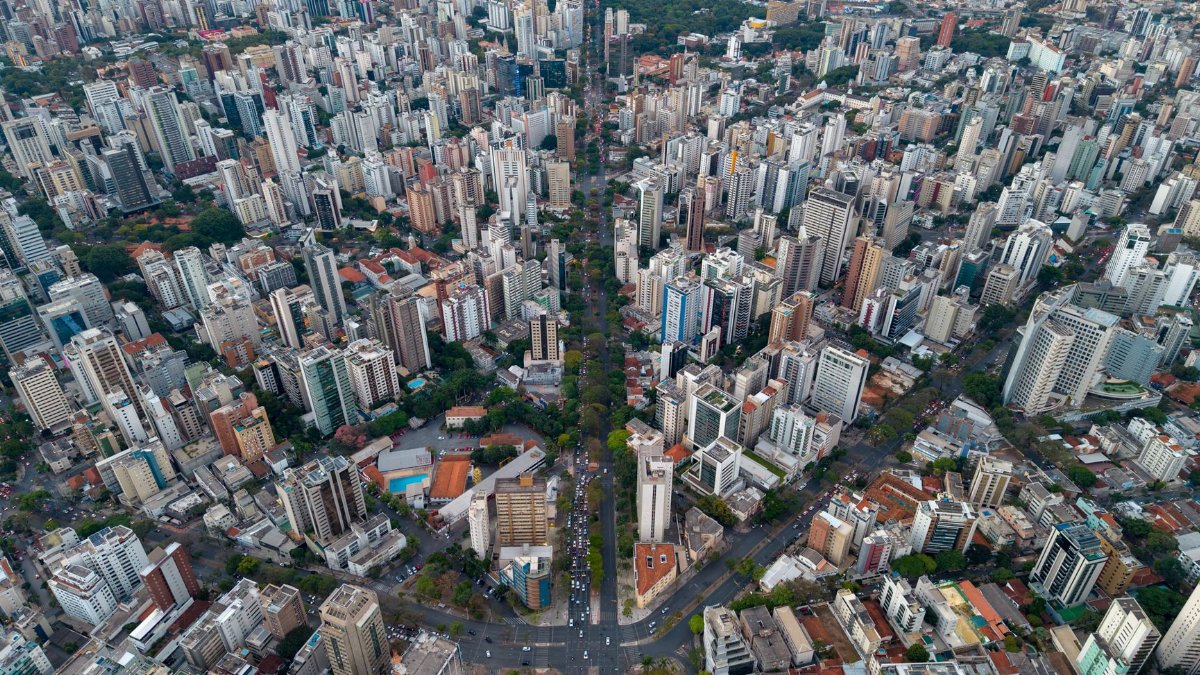
City officials in Phoenix and Tucson have updated building codes to require more efficient fixtures and drought tolerant landscaping. New subdivisions incorporate dual plumbing systems that separate potable supplies from irrigation lines. These measures slow demand growth even as population continues to climb.
Agricultural Adjustments in Dry Regions
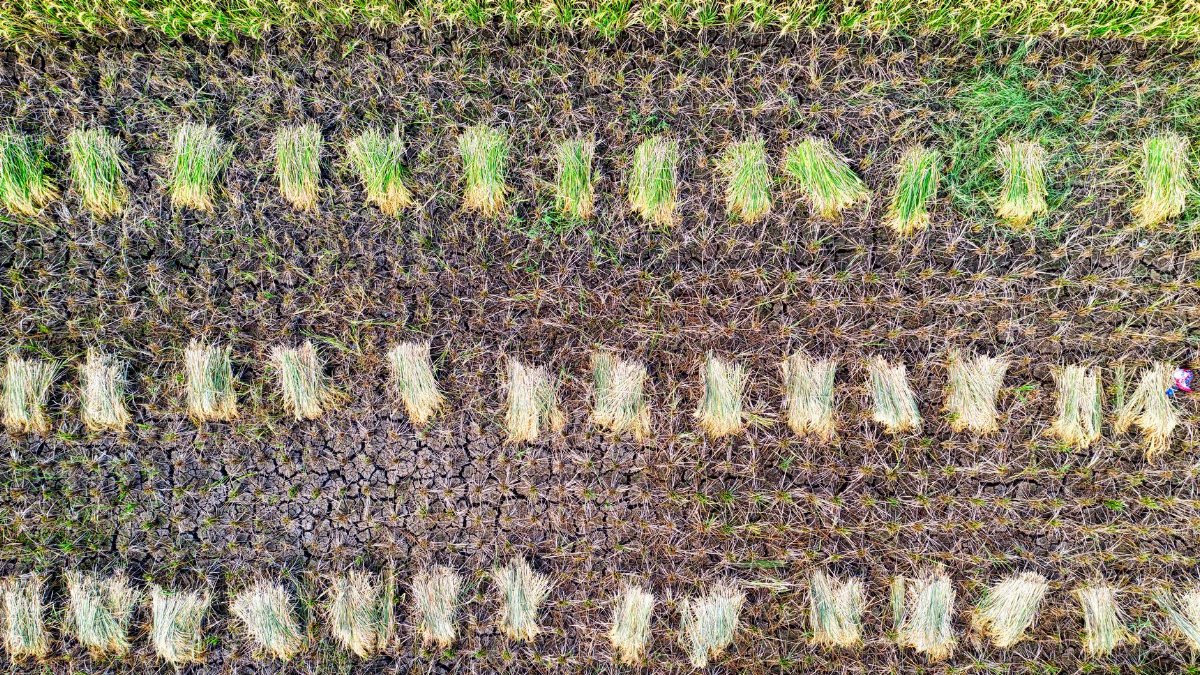
Farmers have shifted toward crops that require less moisture and adopted precision irrigation tools that cut waste. Some operations now rotate fields out of production during peak heat to preserve soil moisture. State programs offer cost sharing for drip systems and soil moisture sensors, helping producers stay viable.
Policy Developments Support Sustainability

Legislators approved updated allocation rules that prioritize conservation credits for entities demonstrating measurable reductions. Funding streams now favor projects that combine storage with ecological restoration. These changes create incentives for collaboration among cities, tribes, and agricultural districts that share the same finite sources.
Community Responses to Changing Conditions
Residents have formed neighborhood groups to audit household use and share tips on leak detection. Schools incorporate lessons on regional hydrology, giving younger generations a clearer picture of supply limits. Public workshops explain rate structures that reward lower consumption, turning individual choices into collective gains.
Future Projections and Cautious Optimism

Models run by the research team suggest that without further action Arizona water supply 2026 could fall short of demand in several sub regions. Yet the same models show that sustained recharge, efficiency gains, and flexible policy can narrow the gap substantially. The report therefore frames current challenges as manageable rather than insurmountable, provided investment and cooperation continue at current or higher levels. Arizona water supply 2026 emerges not as a fixed crisis but as a planning horizon that rewards foresight. Additional scenarios explored in the study indicate that expanded forest thinning upstream could increase runoff reliability by reducing evapotranspiration losses. Meanwhile, partnerships with neighboring states explore voluntary transfers during extreme drought years. Together these elements sketch a pragmatic outlook grounded in both data and lived experience across the state. Arizona water supply 2026 therefore stands as a prompt for continued adaptation instead of a verdict of scarcity.