

Searches for “anosognosia explained” exploded 500% as of January 31, 2026, triggered by Emma Heming Willis’s raw revelation. This neurological condition traps patients in denial: the brain actively conceals its own illness, blocking self-awareness. In the glare of Bruce Willis’s public health struggle, Willis’s words have ignited national curiosity. Families now confront a hidden foe that complicates diagnosis and care, turning personal tragedy into a call for broader understanding.
Emma Heming Willis Sparks the Surge

Emma Heming Willis cut through the silence with a candid disclosure. Her words painted anosognosia as a stealthy adversary in her husband’s fight. The revelation landed on January 31, 2026, and immediately reshaped online quests for answers. Searches skyrocketed, signaling a public hungry for anosognosia explained. Willis’s voice amplified a condition long shrouded in medical jargon, making it front-page real for everyday readers across the U.S.
Core Definition: Brain Hides Its Illness
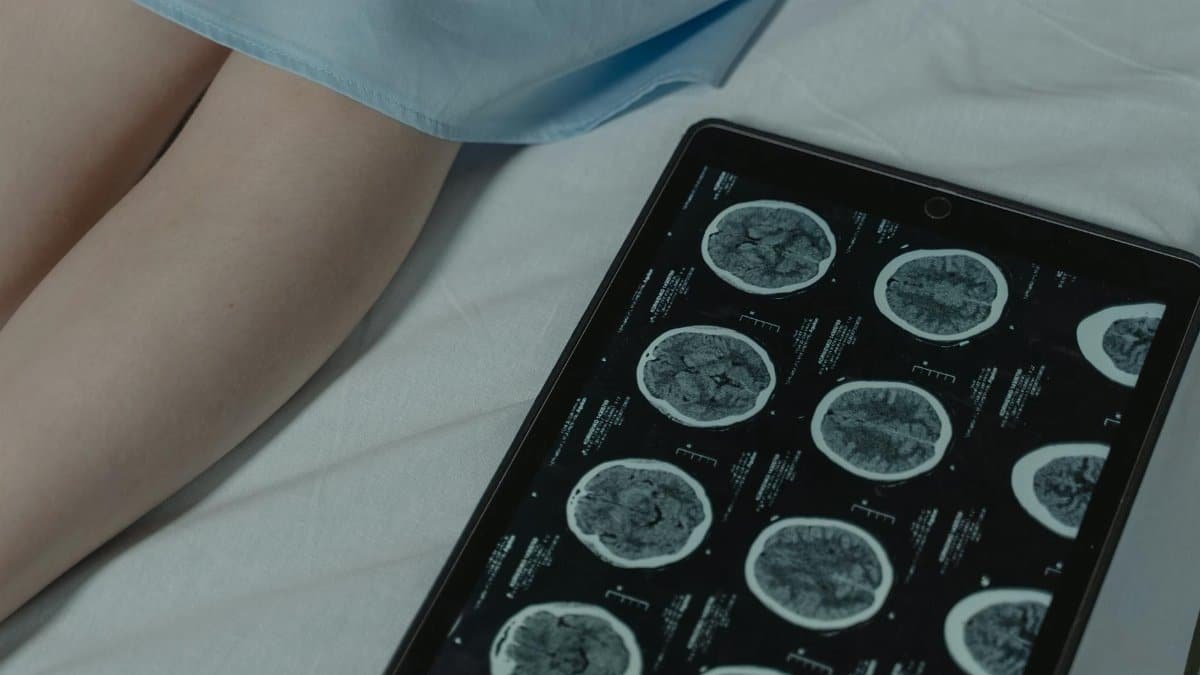
Anosognosia boils down to this: the brain denies its own breakdown. Patients remain oblivious to deficits, even severe ones. The summary captures it starkly—a heartbreaking veil where illness stays invisible to the sufferer. This isn’t mere stubbornness. It’s neurology at work, shielding the mind from harsh truths. For those like Bruce Willis, it means battles fought without full acknowledgment, leaving loved ones to navigate alone.
Medical experts define it precisely through this lens. The Cleveland Clinic outlines anosognosia as impaired self-awareness of disease, often tied to brain damage or degeneration.
The Heartbreaking Family Toll

Families bear the brunt. Imagine pleading with a loved one to seek help, only for denial to block the path. Anosognosia turns caregivers into lone warriors. Emma Heming Willis’s account underscores this pain—watching illness advance unchecked because the patient can’t see it. In U.S. households in 2026, such stories resonate deeply, fueling the 500% search boom as relatives seek anosognosia explained for their own crises.
Why Searches Spiked 500%

The numbers tell the story. Post-revelation, interest in anosognosia explained jumped fivefold by January 31, 2026. Google trends captured the shift, with everyday Americans typing queries amid Willis family updates. Celebrity spotlight met universal fears of aging and illness. This spike reflects more than curiosity—it marks a tipping point in public health dialogue, pushing anosognosia from obscurity to urgent conversation.
Neurological Roots of Denial
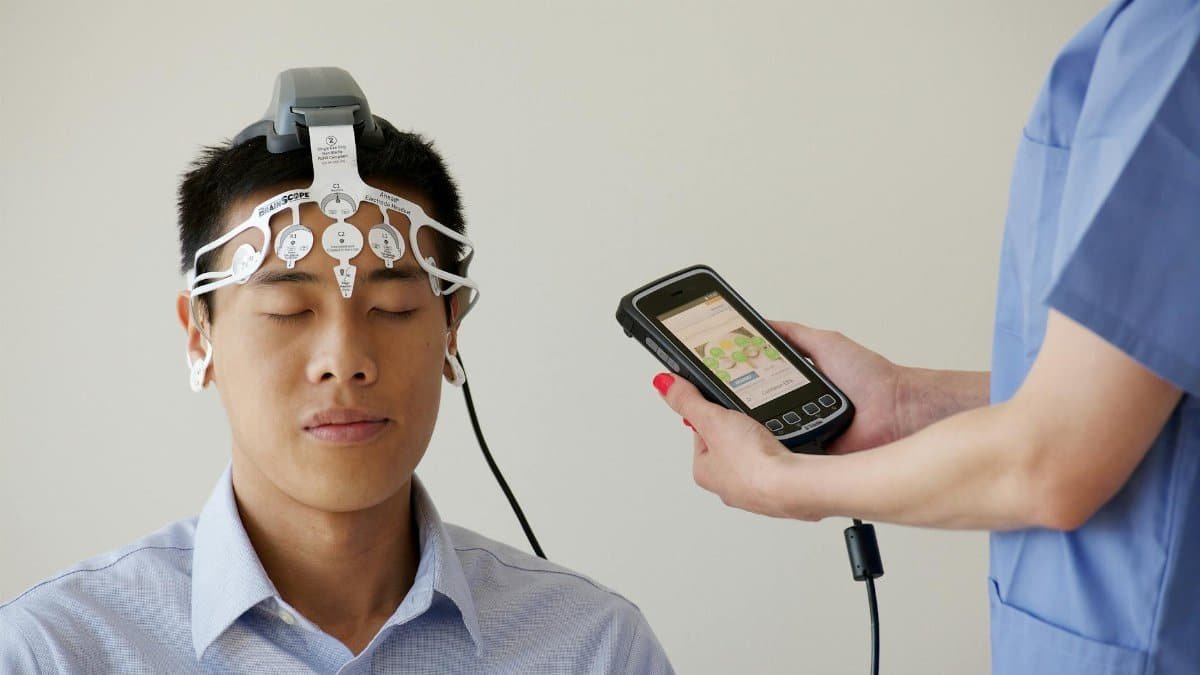
The brain’s trick lies in its wiring. Damage to key areas disrupts insight, letting illness fester unseen. The condition’s name stems from Greek roots meaning “without disease knowledge,” but its grip feels modern and merciless. Tied to strokes, dementia, or trauma, anosognosia explained reveals why patients resist treatment. Willis’s case spotlights this in progressive disorders, where denial delays intervention and deepens heartbreak.
Research backs the mechanism. A detailed overview in NCBI’s StatPearls describes anosognosia as a deficit in metacognition, where self-monitoring fails.
Awareness Gaps in U.S. Healthcare

In 2026 America, anosognosia remains under-discussed. Doctors grapple with patients who dismiss symptoms, stalling care. Emma Heming Willis’s platform forces the issue into clinics and living rooms. Her revelation highlights how this hidden illness strains systems already stretched by neurological cases. Searches surging 500% suggest a grassroots push—families demanding anosognosia explained to bridge knowledge voids.
Caregiver Strategies Amid Denial
Caregivers adapt. They sidestep confrontation, focusing on safety and subtle support. Willis’s openness offers a blueprint: share without shaming, educate quietly. The condition’s heartbreak lies in this dance—protecting while grieving unseen decline. As public interest peaks, resources flow faster, arming U.S. families against the brain’s deception.
2026 Momentum for Change

The 500% search spike on January 31, 2026, isn’t fleeting. It signals lasting awareness. Emma Heming Willis transformed private pain into public education, centering anosognosia explained. In a year of health reckonings, this condition demands attention. Patients may stay blind, but society now sees clearly—pushing for research, empathy, and tools to pierce the brain’s veil.
Bruce Willis’s battle endures, complicated by anosognosia. Yet Willis’s words ensure it’s no longer invisible. America listens, searches, and learns.