
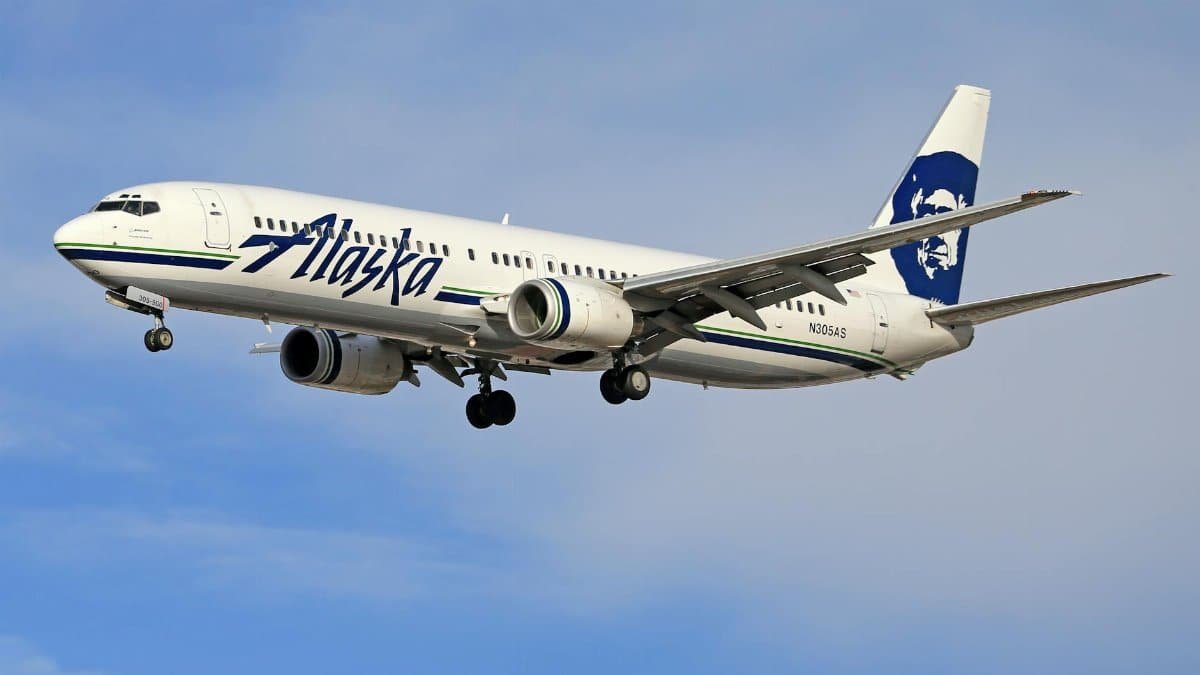
In the competitive skies of domestic air travel, few changes provoke as much ire as a bag fee increase. Alaska Airlines, known for its West Coast roots and customer-friendly reputation, just announced it will charge $35 for the first checked bag starting in 2025. This alaska airlines bag fee hike marks a pivotal shift for a carrier that prided itself on free first bags for most economy passengers. Travelers who pack light may shrug it off, but families, business folks hauling gear, and occasional flyers face a stark new reality. As fares stabilize post-pandemic, such add-ons underscore airlines relentless pursuit of ancillary revenue, leaving passengers to question whether loyalty still pays.
The Details of the Fee Increase
Alaska Airlines made the news official last week, aligning its policy more closely with industry giants like Delta and United. The first checked bag now costs $35, up from free for most tickets, while the second jumps to $45. Exceptions linger for elite Mileage Plan members and certain premium fares, but the baseline shift affects the bulk of leisure travelers. This alaska airlines bag fee adjustment applies to flights originating in the U.S., with international routes holding separate rules. Company executives framed it as necessary for operational costs, citing inflation and labor expenses. Yet for the average passenger, it translates to real dollars: a family of four checking two bags each way could see $280 tacked on to a round-trip itinerary.
A Legacy of Bag Fee Resistance

Alaska Airlines stood apart for years, one of the last major U.S. carriers to waive the first checked bag fee. Since acquiring Virgin America in 2016 and Hawaiian Airlines recently, the airline maintained this perk as a differentiator. Basic economy flyers paid nothing for their first bag, fostering goodwill among regional travelers. That era ends now. Historical data from the U.S. Department of Transportation shows Alaska collected far less in bag fees than peers, about $100 million annually pre-hike compared to American Airlines $1.5 billion. The change closes that gap, but at what cost to brand loyalty?
Comparisons Across the Major Carriers
Place Alaska alongside rivals, and the landscape clarifies. Delta charges $35 for the first bag on domestic flights, matching the new alaska airlines bag fee exactly. United and American follow suit, with Southwest remaining the lone holdout at free first and second bags. JetBlue and Frontier layer on stricter rules, often $40 or more even for carry-ons. This convergence suggests Alaska catching up rather than leading. A Bloomberg analysis highlights how bag fees generate 10-15 percent of airline revenue industry-wide, a lifeline amid flat ticket prices. For middle-aged travelers balancing budgets, the uniformity erodes choice.
Passenger Reactions Pour In

Social media lit up within hours of the announcement. “Betrayed after 20 years of flying Alaska,” tweeted one Seattle loyalist. Forums like FlyerTalk buzz with threads dissecting workarounds, while Reddit’s r/travel rants about “nickel-and-diming families.” A Points Guy survey post-news found 62 percent of respondents planning to switch carriers. Travel rage boils over, especially in Alaska’s stronghold markets like Portland and Seattle, where locals decry the loss of a hometown edge. One Portland mother shared her story: planning a Disneyland trip, the fee adds $140, enough for an extra park day.
Economic Forces at Play

Airlines face headwinds: fuel prices hover near $2.50 per gallon, pilot contracts demand 30 percent raises, and maintenance costs soar for aging fleets. Alaska’s CEO Ben Minicucci pointed to these in earnings calls, noting a 15 percent operating cost jump since 2022. The alaska airlines bag fee serves as a quick revenue lever, projected to add $200 million yearly without raising base fares. Economists argue it’s efficient pricing, letting light packers pay less overall. Critics counter that it disproportionately burdens occasional flyers, who subsidize the fee-free elite.
Navigating Fees: Tips for Savvy Travelers
Not all is lost for those committed to Alaska. Elite status in Mileage Plan still waives fees, as do first-class and premium economy tickets. Credit card perks from the Alaska Visa line offer free bags too. Weighing options, carry-on maximalists can stuff a personal item and rollerboard gratis. Apps like PackPoint help minimize checked needs. For groups, shipping luggage via UPS sometimes undercuts fees: $50 for a 50-pound bag cross-country beats $70 round-trip air fees. Proactive planning turns the alaska airlines bag fee from foe to footnote.
Impact on Loyalty and Mileage Plans

Mileage Plan members, Alaska’s crown jewel, watch warily. The program ranks top for value per the 2024 U.S. News awards, with partners like oneworld allies. Free bags sweetened redemptions, especially for long-haul awards. Post-hike, casual redeemers may bolt to Southwest’s Companion Pass model. Data from Frequent Miler blog shows a 5-8 percent churn risk after similar policy tweaks elsewhere. Alaska counters with bonus miles promotions, but travelers crave tangible perks over points inflation.
Broader Industry Trends and Precedents

This move signals more to come. Legacy carriers, squeezed by low-cost competitors, increasingly monetize every seatback pocket. Spirit and Allegiant thrive on $99 fares plus $50 bags; majors mimic selectively. A 2023 Government Accountability Office report warned of fee opacity fueling complaints, up 20 percent since 2019.The Points Guy first broke the story, noting Alaska’s Hawaiian merger accelerates standardization. If others follow, free bags could vanish entirely from domestic skies.
Voices from the Front Lines

Ground crews and gate agents brace for friction. A San Francisco-based attendant, speaking anonymously, predicted “lines twice as long at check-in” as passengers consolidate bags. Business traveler podcasts dissect the shift: “It’s death by a thousand fees,” quipped one consultant on “The Points Guy Podcast.” Families adapt creatively, with viral TikToks demoing vacuum bags to fit everything onboard. The human element underscores travel’s joy eroded by arithmetic.
Looking Ahead: What Travelers Should Do

As 2025 nears, audit your habits. Loyalists, grind for MVP status via flights or the $95 Visa card. Budget flyers, eye Southwest hubs or Amtrak for bag freedom. Advocacy groups like Travelers United push for fee transparency legislation, gaining bipartisan traction. Alaska promises no further hikes soon, but skepticism reigns. In an era of $79 fares, the alaska airlines bag fee reminds us: true cost hides in the fine print. Middle-aged adventurers, armed with knowledge, can still soar smarter.
For now, the skies feel a bit heavier. Yet innovation follows pressure; perhaps tech like drone deliveries or hyperloop dreams will render bags obsolete. Until then, pack light and fly wise.