
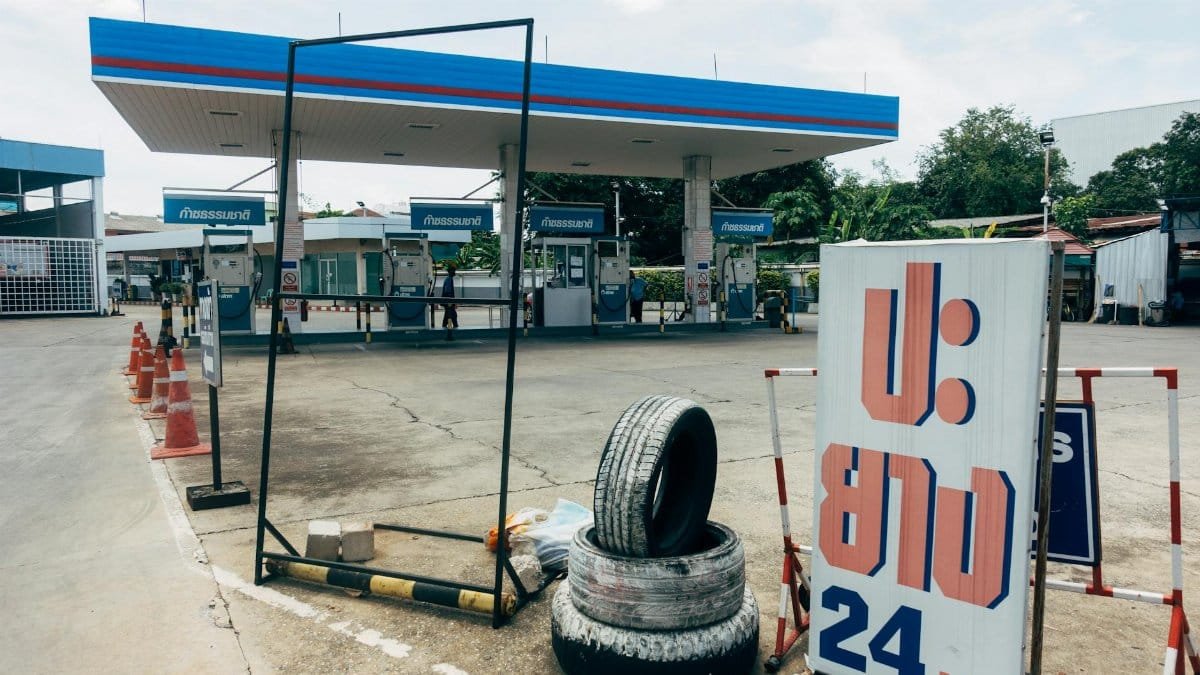
Picture a family in Chicago, tickets in hand for a long-awaited trip to visit relatives in London, only to watch the price jump by hundreds of dollars overnight. This is the new reality for travelers as airlines worldwide impose steep fuel surcharges amid skyrocketing jet fuel costs. Triggered by escalating tensions in the Iran conflict, jet fuel prices have doubled in recent months, forcing carriers from Delta to Emirates to pass on the pain. These airline fuel surcharges, once a modest add-on, now represent a significant chunk of ticket costs, squeezing budgets and fueling widespread frustration. As airlines scramble to offset expenses, passengers are left questioning whether their next journey is worth the premium.
Jet Fuel Prices Hit Unprecedented Peaks

Jet fuel, the lifeblood of global aviation, has surged past $4 per gallon in key markets, up from under $2 just a year ago. The spike stems from supply disruptions tied to the Iran conflict, where sanctions and regional instability have choked oil flows through the Strait of Hormuz. According to Reuters, airlines face a projected $50 billion hit to fuel bills in 2026 alone. This volatility echoes past crises but feels more acute, with spot prices in Singapore and New York trading at multi-year highs. For carriers operating narrow margins, the pressure is immense, prompting immediate action through surcharges.
Geopolitical Flashpoint in the Middle East
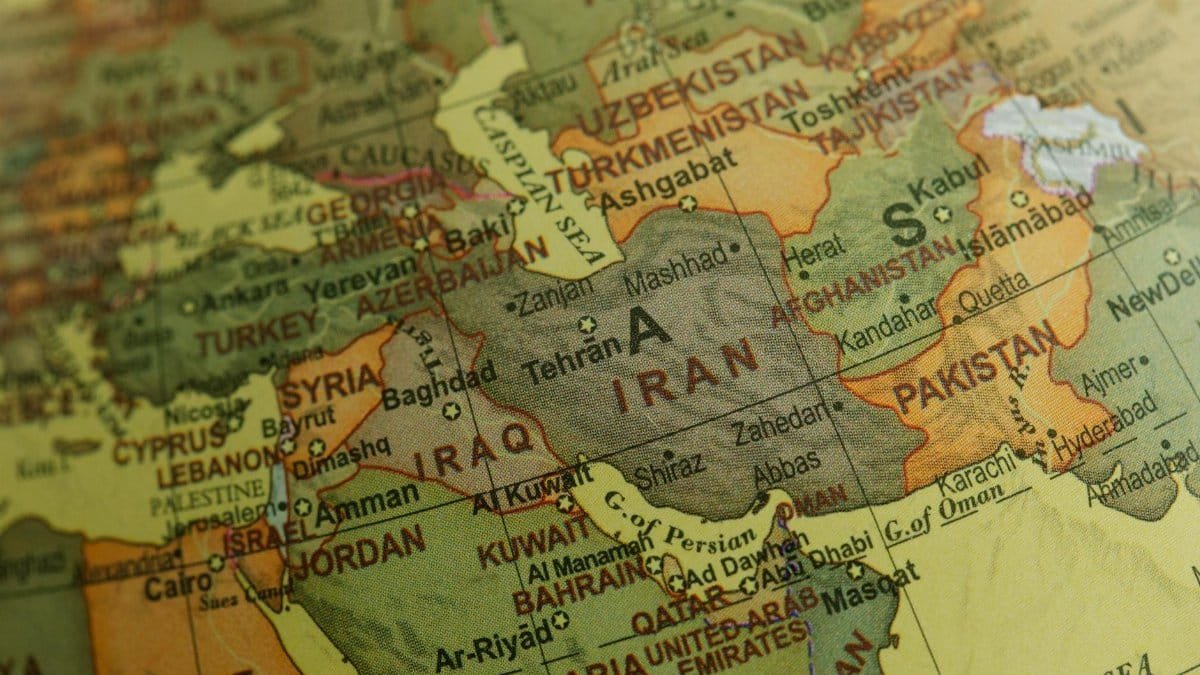
The Iran conflict has evolved from diplomatic standoffs to tangible economic fallout. Recent drone strikes and naval maneuvers have rattled markets, pushing Brent crude toward $100 a barrel. Aviation kerosene, derived from crude, bears the brunt. Analysts point to Iran’s threats against shipping lanes as a primary culprit, reminiscent of the 1979 oil crisis. While world leaders call for de-escalation, the uncertainty keeps prices elevated. Airlines, caught in the crossfire, activate fuel surcharge clauses buried in their fare rules, clauses designed precisely for such black swan events.
Decoding Airline Fuel Surcharges
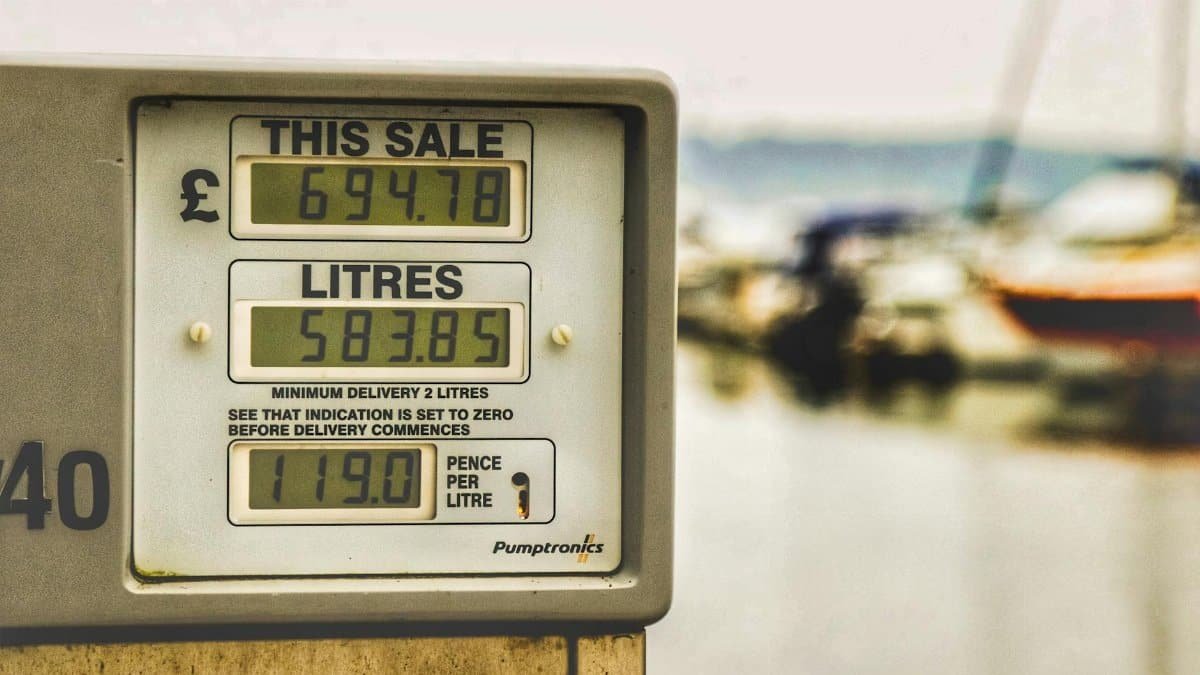
At their core, airline fuel surcharges are dynamic fees tied directly to weekly fuel price indices like the International Air Transport Association’s jet fuel marker. When thresholds are breached, surcharges kick in, often $50 to $300 per ticket segment. Unlike base fares, they fluctuate independently, printed separately on itineraries. Critics argue they lack transparency, as airlines bundle them with taxes. Yet, proponents say they shield passengers from even steeper base fare hikes. In Europe, regulators cap them, but in the U.S., they remain largely unchecked, amplifying their impact on transatlantic routes.
Passenger Fury Erupts Online

Social media brims with outrage under hashtags like #FuelSurchargeScam. Travelers share screenshots of $400 surcharges on economy tickets, dubbing them “hidden taxes.” A viral thread from a budget-conscious retiree highlighted a round-trip to Paris ballooning by 40 percent. Consumer advocates, including the Travelers United group, demand refunds for prepaid tickets bought at lower fuel rates. Airlines counter that surcharges are contractual, outlined in fine print. Still, the backlash has prompted voluntary waivers from some low-cost carriers, a rare concession in the fare wars.
Airlines Race to Contain Costs

Beyond surcharges, carriers deploy a toolkit of austerity measures. United Airlines idled older, thirstier jets while ramping up efficient Boeing 787s. Emirates deferred aircraft deliveries, saving billions. Fuel hedging, once a staple, offers scant relief with contracts expiring amid the surge. Crew furloughs loom on distant routes. Reuters reports that Qantas slashed capacity by 10 percent, citing fuel as the driver. These steps buy time but underscore aviation’s vulnerability to energy shocks, with surcharges serving as the frontline defense.
Transatlantic and Asia-Pacific Routes Hammered
Long-haul flyers feel the pinch hardest. A New York to Tokyo ticket now carries $250 in surcharges, per Kayak data. European hubs like Frankfurt see intra-continent hops up 20 percent. In Asia, where fuel accounts for 35 percent of costs, low-cost upstarts like AirAsia pass on full increments. Business travelers, once insulated by corporate deals, report renegotiations. Leisure routes to spiritual retreats in Bali or pilgrimages to Jerusalem face compounded hikes, deterring even the devout amid what some call “travel rage.”
Lessons from Past Fuel Crises

History offers cautionary tales. The 2008 oil spike saw surcharges peak at $600 per ticket, bankrupting carriers like Aloha Airlines. Post-Ukraine invasion in 2022, fees doubled briefly before stabilizing. Today’s Iran-fueled rally mirrors those, but with fuller post-pandemic fleets, airlines have less slack. DOT data shows surcharges averaged $12 per segment pre-crisis; now they dwarf that. The pattern suggests passengers adapt by driving or Zooming vacations away, a trend that hollowed leisure travel last decade.
Regulators Step Into the Fray

U.S. Transportation Secretary Pete Buttigieg urged airlines to limit surcharges during a Senate hearing, hinting at fare transparency rules. The EU’s competition arm probes dominant players like Lufthansa for anti-competitive hedging. Australia’s ACCC fined Qantas for misleading surcharge disclosures. Globally, IATA lobbies for uniform standards, arguing patchwork rules inflate costs. Travelers watch warily, hoping oversight curbs abuse without grounding fleets.
Smarter Strategies for Savvy Flyers

To dodge the surcharge sting, book direct with airlines for potential waivers. Opt for refundable fares or credit card perks covering fuel fees. Fuel price trackers like those from Hopper predict dips. Regional jets on shorter hops evade heavy levies. Some pivot to trains for Europe or buses domestically. Loyalty programs now dangle bonus miles to offset cash hits, turning rage into reluctant rewards.
Outlook: Turbulence Ahead or Clear Skies?

Prognoses diverge. If Iran de-escalates, fuel could retreat 20 percent by summer, per Goldman Sachs. Persistent conflict risks $5 gallons, forcing mergers or bankruptcies. Airlines eye sustainable aviation fuel, pricier but geopolitically neutral. For now, surcharges persist as a necessary evil. Passengers, resilient as ever, recalibrate dreams. In an interconnected world, one region’s strife reshapes global wanderlust, reminding us travel’s fragility.
This surge tests aviation’s resilience, much like spiritual trials forge deeper journeys. Yet for middle-class families, it’s less enlightenment than exasperation. As Natasha Weber reports from New York, the skies remain open, but at a steeper climb.