
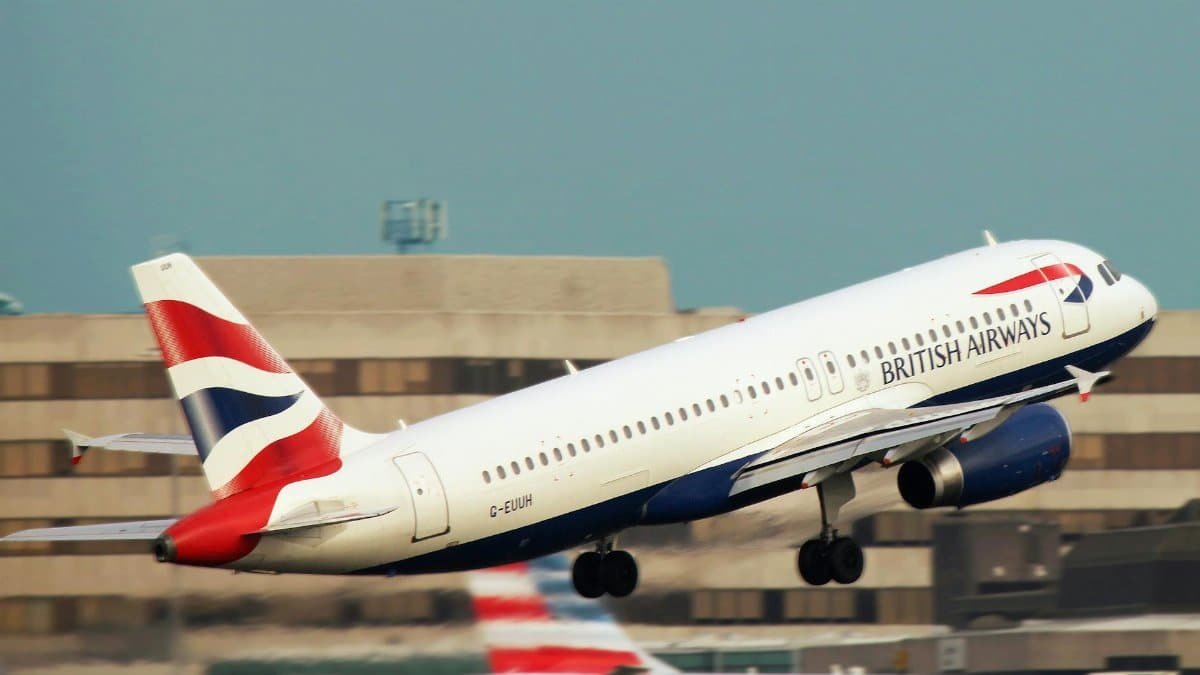
As the global airline industry charts its course toward 2026, a pivotal report spotlights the unique intersection of airline trends marine travel, where evolving pressures are reshaping crew change mobility for maritime workers across key corridors. ATP’s Airline Industry Trends 2026 report outlines how these dynamics— from operational strains to strategic shifts—are influencing the vital air links that keep ships staffed and sailing. South African Airways’ return to profitability and its expanded routes are injecting fresh momentum into marine sectors, while sustainability initiatives and technological integrations emerge as cornerstones of progress. Amid these challenges, the outlook remains optimistic, signaling a robust recovery that could redefine how airlines support the blue economy.
Navigating Pressures on Crew Mobility
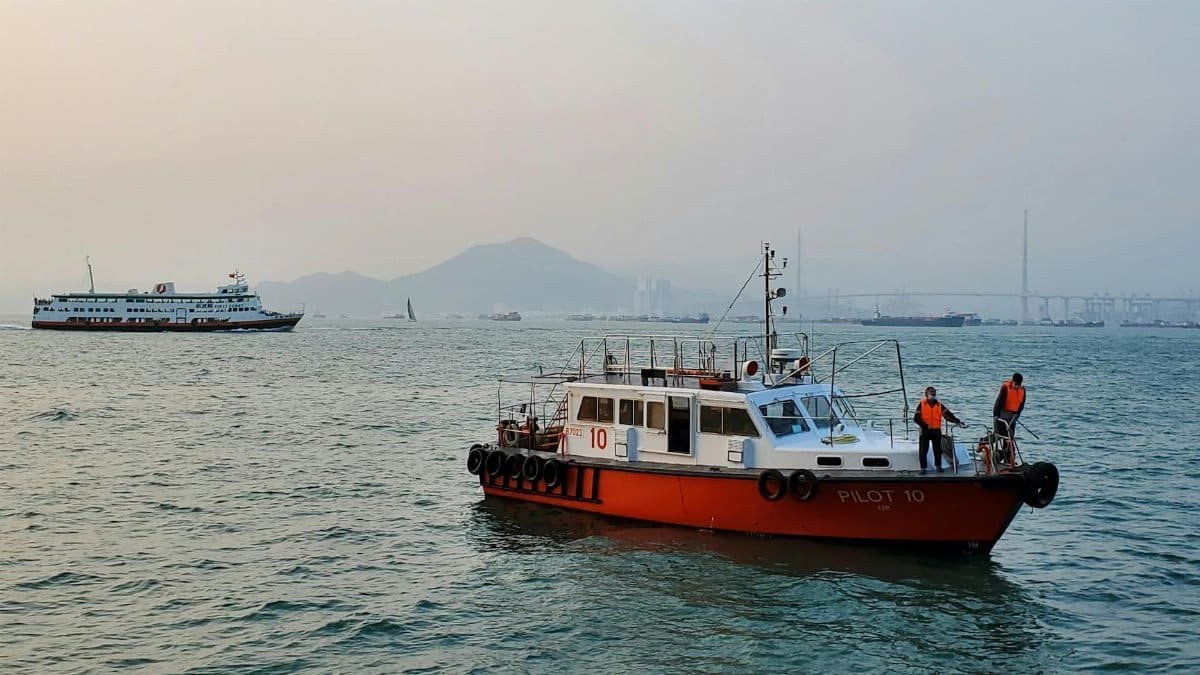
Crew change mobility stands at the heart of airline trends marine travel, where seafarers rely on timely flights to rotate on and off vessels. According to ATP’s Airline Industry Trends 2026 report, mounting pressures are reshaping this process across major global corridors, from transatlantic routes to Asia-Pacific hubs. These strains stem from capacity constraints and scheduling bottlenecks that disrupt the seamless handovers essential for maritime operations. Airlines, long the backbone of these rotations, face heightened demands as shipping volumes rebound, forcing carriers to adapt swiftly to maintain reliability. The report underscores how these pressures test the resilience of aviation networks tailored to marine needs, ensuring workers aren’t stranded amid fluctuating schedules.
Major Corridors Under Strain

Major corridors—think high-traffic paths like Europe to the Middle East or the U.S. Gulf Coast to Southeast Asia—are feeling the pinch most acutely. ATP’s analysis reveals how airline trends marine travel in these lanes are being molded by logistical hurdles, including slot limitations at key airports and variable fuel costs. For marine crews, delays here aren’t just inconveniences; they cascade into vessel downtime and escalated operational expenses for shipping firms. The report paints a picture of corridors evolving under duress, prompting airlines to prioritize dedicated slots or charter options to safeguard these critical flows. This focus highlights the symbiotic tie between air and sea transport, where aviation’s agility directly bolsters maritime efficiency.
South African Airways’ Profitable Pivot
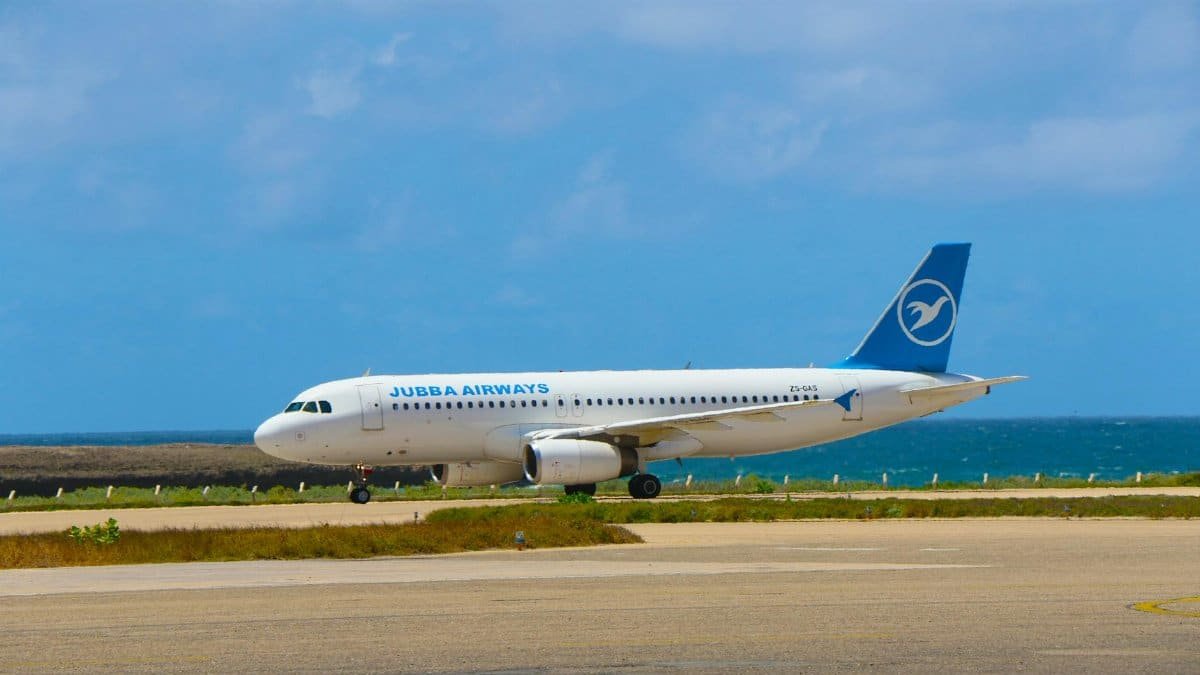
South African Airways’ resurgence to profitability marks a bright spot in the airline trends marine travel landscape. The carrier’s financial turnaround, as detailed in ATP’s Airline Industry Trends 2026 report, has enabled ambitious route expansions that resonate deeply with marine sectors. By bolstering connections from Johannesburg to coastal gateways, SAA is easing crew rotations for vessels operating in the Indian Ocean and beyond. This revival isn’t happening in isolation; it reflects broader industry momentum where fiscal health fuels network growth. For maritime operators, SAA’s stability translates to dependable options, reducing the risks of last-minute rerouting that have plagued the sector in recent years.
New Routes Reshaping Marine Access

The ripple effects of South African Airways’ new routes extend directly into marine sectors, enhancing connectivity where it matters most. ATP’s report notes how these additions are impacting crew change logistics by opening shorter, more efficient paths to ports in Africa and the southern Atlantic. Previously underserved links now offer airlines a competitive edge in airline trends marine travel, drawing charters and scheduled services alike. Shipping companies stand to benefit from reduced transit times, which minimize crew fatigue and compliance issues under international labor standards. This strategic expansion underscores a key trend: airlines fine-tuning their offerings to capture the niche but vital marine market.
Sustainability Takes Center Stage

Sustainability has surged as a defining pillar in airline trends marine travel, with carriers embedding greener practices into their operations. The ATP Airline Industry Trends 2026 report positions it as key to long-term viability, particularly for routes serving eco-sensitive marine corridors. Efforts like biofuel adoption and optimized flight paths not only curb emissions but also align with shipping’s own push toward decarbonization—echoing findings from the International Maritime Organization’s strategies on net-zero goals by mid-century. For crew mobility, sustainable aviation fuels promise cleaner rotations without compromising speed, fostering a harmonious evolution between air travel and ocean commerce.
Tech Integrations Powering Efficiency

Technological integrations are equally pivotal, streamlining the complexities of airline trends marine travel. ATP’s report highlights their role in automating bookings, predictive scheduling, and real-time tracking for crew movements across corridors. Digital platforms now enable seamless coordination between airlines and shipping agents, mitigating disruptions from weather or geopolitical shifts. These tools extend to AI-driven capacity forecasting, ensuring flights align precisely with vessel turnaround times. As South African Airways and peers invest here, the marine sector gains a more predictable lifeline, transforming potential chaos into choreographed precision.
A Positive Recovery on the Horizon

Despite the pressures, ATP’s Airline Industry Trends 2026 report delivers a positive recovery outlook for airline trends marine travel. With profitability returns like South African Airways’ paving the way, the industry anticipates steadier growth through 2026. Sustainability and tech advancements are accelerating this rebound, fortifying networks against future shocks. Major corridors should see enhanced capacity, benefiting marine crews with fewer delays and broader options. This optimistic trajectory signals not just survival, but a smarter, more integrated aviation ecosystem supporting global trade’s seafaring engine.
Implications for the Broader Blue Economy

Looking ahead, these airline trends marine travel are poised to bolster the broader blue economy, where maritime activity underpins trillions in trade. The report’s insights suggest that as pressures ease through SAA’s expansions and innovative integrations, crew mobility will become a competitive differentiator for shipping giants. Airlines attuned to sustainability will likely lead, blending profitability with purpose. For stakeholders from port authorities to fleet managers, the message is clear: proactive adaptation now ensures smoother sailing tomorrow, cementing aviation’s indispensable role in marine vitality.