
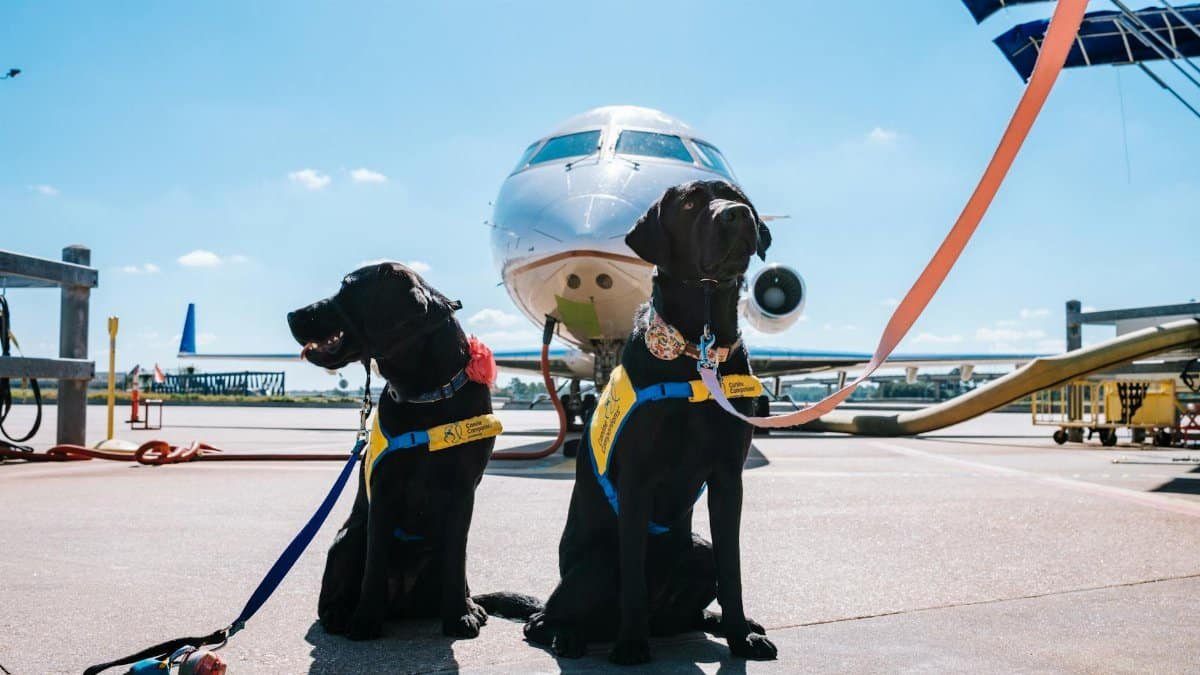
As air travel rebounds strongly in the coming years, one of the most notable air travel trends 2026 is the quiet resurgence of human assistance at airports. Self-service kiosks, once hailed as the future, are faltering in handling complex traveler needs, prompting airlines and airports to bring back real people for support. This shift comes alongside a surge in premium lounge demand and smarter tools like flexible bookings, all aimed at delivering seamless journeys amid ongoing disruptions. Staffing challenges linger, but hybrid tech-human approaches are smoothing the ride. Travelers, shaped by post-pandemic priorities, now crave comfort and reliability above all, as the industry adapts to these evolving expectations.
The Limits of Self-Service Kiosks Exposed
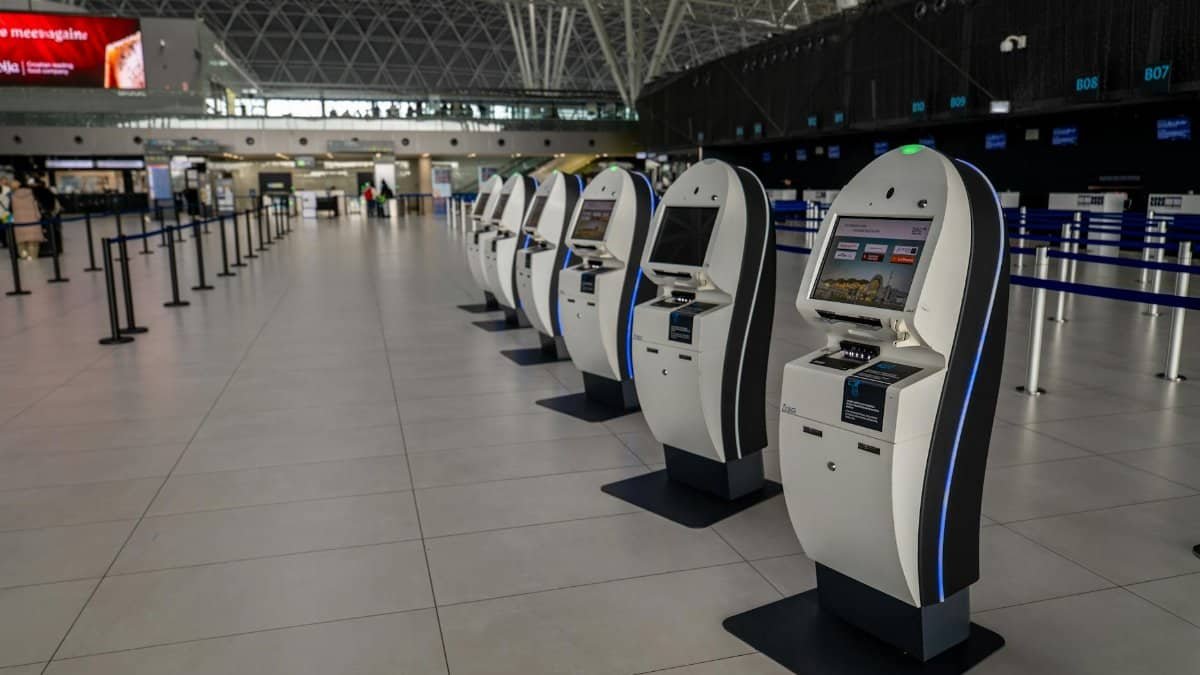
Airports worldwide rushed to install self-service kiosks during the pandemic to cut costs and speed up check-ins. But as travel volumes climb, these machines are hitting their limits. Complex scenarios—like rebooking delayed flights or managing irregular baggage—leave passengers frustrated and stuck. According to a recent analysis on LinkedIn, real person assistance is making a comeback precisely because kiosks can’t cope with these intricacies, restoring a human touch that’s proving essential for smoother operations.
This trend underscores a broader realization: technology excels at routine tasks but stumbles when empathy and quick thinking are needed. Airports are now training staff to step in seamlessly, blending digital efficiency with personal service to prevent bottlenecks that erode trust.
Premium Lounges: The New Must-Have

Comfort has become non-negotiable, and premium lounges are at the heart of this shift. Travelers are flocking to these sanctuaries for respite from crowded terminals, gourmet meals, and workspaces that make layovers productive rather than punishing. The focus on lounges reflects a key air travel trend for 2026: elevating the entire airport experience to match the premium feel of flights themselves.
Airlines are expanding lounge networks aggressively, recognizing that access—whether through elite status or paid day passes—drives loyalty. This isn’t just luxury; it’s a buffer against disruptions, offering reliability in an unpredictable world.
Flexible Bookings as a Smart Adaptation

In an era of weather woes, strikes, and supply chain hiccups, rigid itineraries are out. Flexible bookings are emerging as a cornerstone of modern air travel, allowing changes without the punishing fees of old. This adaptation empowers passengers to navigate disruptions with confidence, aligning perfectly with demands for seamless journeys.
As reported in a detailed LinkedIn post (here), such options are tech-driven yet simple, letting travelers tweak plans via apps while staff handles the rest. It’s a win for everyone, reducing no-shows and boosting satisfaction.
Persistent Staffing Challenges in Aviation

Despite hiring pushes, staffing shortages continue to plague the industry. Pilots, crew, and ground personnel remain in short supply, leading to delays that test passenger patience. Yet, this challenge is spurring innovation: airports and airlines are prioritizing strategic deployments, ensuring human helpers are where they’re needed most.
The result? Fewer frazzled travelers and more efficient hubs. Post-pandemic recovery has amplified these issues, but proactive measures are turning constraints into opportunities for better service models.
Tech-Human Hybrids Revolutionizing Experiences

The real magic happens in hybrids: kiosks that summon staff instantly, AI chatbots escalating to live agents, and apps coordinating with on-site teams. These combinations address staffing gaps while enhancing reliability, making journeys feel intuitive and supported.
Travelers appreciate the balance—no more endless menus or unhelpful bots. Instead, tech handles the basics, freeing humans for what they do best: resolving the unexpected with care and speed.
Seamless Journeys Amid Persistent Disruptions

Disruptions are the new normal, from air traffic control glitches to global events. Yet, air travel trends 2026 point to a traveler-first mindset, with seamless journeys as the ultimate goal. Airports are redesigning flows—think contactless everything paired with visible staff—to minimize stress points.
This holistic approach ensures that even when things go awry, the recovery is swift. Passengers aren’t just moving through space; they’re gliding through an ecosystem built for their peace of mind.
Comfort and Reliability Take Center Stage

Above all, comfort reigns. Spacious seating, quiet zones, and wellness amenities are no longer extras but expectations. Reliability ties it together: on-time performance, clear communication, and backup plans that work.
These elements form the backbone of evolving preferences, where the journey rivals the destination in appeal. Airlines investing here see repeat business soar, proving that in air travel, feeling good matters as much as getting there.
Post-Pandemic Preferences Reshaping the Skies

The pandemic forever altered how we fly. Health-conscious, time-starved travelers now demand experiences that prioritize well-being and flexibility. Among air travel trends 2026, this adaptation shines brightest: an industry listening closely, blending lessons from isolation with tech’s promise.
For instance, data from the International Air Transport Association has shown lounge usage spiking over 50% since 2021, directly supporting the push for premium comforts amid these shifts. The result is air travel that’s not just functional, but genuinely restorative—poised for a future where humans and innovation fly in tandem.