

As airlines gear up for 2026, a new era of air travel trends is taking shape, driven by low-cost carriers expanding their reach, artificial intelligence streamlining operations, and a push toward greener skies. According to a report from aviation analytics firm OAG ([air travel trends that will shape 2026](https://www.oag.com/blog/-air-travel-trends-that-will-shape-2026)), the industry is poised for robust growth amid recovering demand, with record revenues on the horizon. Low-cost carriers are leading the charge through bigger fleets and new routes, while sustainability efforts zero in on green fuels and carbon offsets. Geopolitical changes are forcing adaptations in international networks, and AI promises efficiency and personalization for everyone from pilots to passengers. Travelers, especially in emerging markets, stand to gain from competitive fares, as the sector evolves from patchwork solutions to smarter, integrated systems.
Low-Cost Carriers Propel Industry Growth
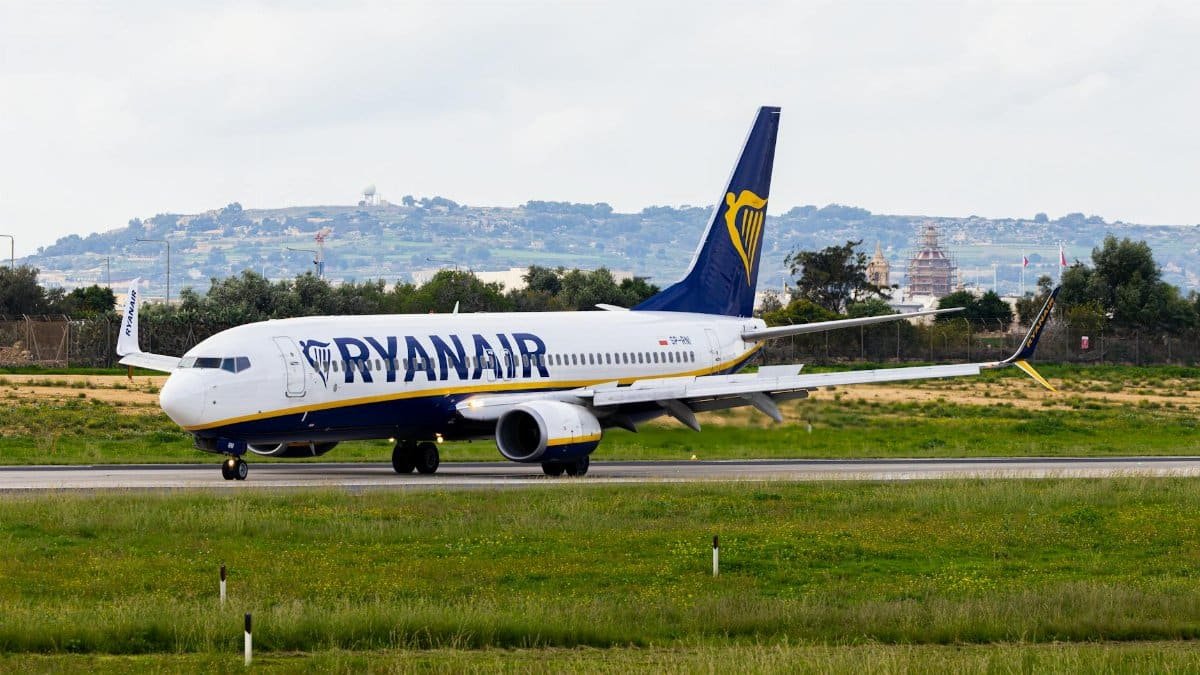
At the forefront of the air travel trends 2026, low-cost carriers are set to drive much of the sector’s expansion. These budget airlines are investing heavily in larger fleets and ambitious new routes, capitalizing on pent-up demand that’s finally rebounding after years of turbulence. OAG’s analysis highlights how this aggressive scaling will inject vitality into markets long underserved by traditional flag carriers. By keeping operations lean and fares low, they’re not just filling seats—they’re redefining accessibility, drawing in price-sensitive leisure travelers and business flyers alike. This surge promises to broaden the skies, making air travel a viable option for more people worldwide.
AI Ushers in Smarter, More Personalized Flying

Artificial intelligence is emerging as a game-changer across airline operations, enhancing everything from scheduling to customer service. In the evolving air travel trends 2026, AI will optimize routes for fuel savings, predict maintenance needs to minimize delays, and deliver tailored experiences like customized in-flight recommendations or real-time upgrades. This isn’t about flashy gadgets; it’s integrated intelligence replacing outdated, incremental fixes. Passengers will notice smoother journeys, with AI anticipating disruptions and rerouting seamlessly. Airlines, meanwhile, gain a competitive edge through data-driven decisions that boost efficiency without sacrificing safety.
Sustainability Efforts Focus on Green Fuels and Offsets

Environmental responsibility is no longer optional—it’s central to the air travel trends 2026. Airlines are doubling down on sustainable aviation fuels, derived from renewable sources, alongside robust carbon offset programs to neutralize emissions. These initiatives address the industry’s carbon footprint head-on, responding to regulatory pressures and traveler demands for eco-conscious choices. OAG points out that such measures will make flying more planet-friendly, blending innovation with accountability. For frequent flyers, this means options to contribute directly to reforestation or clean energy projects at booking, turning guilt into action.
Geopolitical Shifts Reshape Global Connectivity

International routes are adapting to a world of shifting alliances and tensions, with airlines recalibrating networks to maintain connectivity. Among the key air travel trends 2026, these geopolitical adaptations mean rerouting around unstable regions and forging new partnerships in stable corridors. The result? A more resilient global web that keeps passengers linked despite uncertainties. This flexibility ensures that trade, tourism, and family reunions persist, even as borders and policies evolve. It’s a pragmatic response, underscoring the industry’s knack for pivoting amid external pressures.
From Incremental Fixes to Integrated Intelligence

The aviation world is leaving behind stopgap measures for a holistic upgrade. OAG describes this pivot in air travel trends 2026 as a move toward “integrated intelligence,” where AI, data analytics, and operational tweaks converge. Rather than tweaking one area at a time, airlines are building interconnected systems that anticipate challenges holistically. This shift promises fewer bottlenecks, from baggage handling to crew scheduling, creating a ripple effect of reliability. For the industry, it’s about future-proofing against disruptions, ensuring that growth doesn’t come at the expense of stability.
Record Revenues Amid Strong Demand Recovery

Financially, 2026 looks brighter than ever, with record revenues expected as demand fully rebounds. Low-cost expansion and efficiency gains are fueling this optimism, as outlined in OAG’s forward-looking report. Passengers are flying more, spurred by economic upticks and wanderlust, while airlines squeeze more value from each flight. This isn’t speculative—it’s grounded in recovering passenger numbers and smarter yield management. The windfall allows reinvestment in fleets and tech, perpetuating a virtuous cycle of growth.
Competitive Fares Light Up Emerging Markets

Everyday travelers, particularly in emerging markets, are reaping direct benefits from these dynamics. Aggressive route expansions by low-cost carriers are driving down fares, making international hops affordable for the rising middle class in regions like Southeast Asia and Latin America. Within the broader air travel trends 2026, this democratization opens doors to new destinations, boosting local economies through tourism and business. It’s a win for consumers who now enjoy choices once reserved for the elite, all while airlines tap untapped revenue streams.
Experts Stress Adaptive Strategies for Success

Industry watchers emphasize that thriving in 2026 demands agility above all. OAG underscores the need for adaptive strategies, from fleet flexibility to tech adoption, as airlines navigate volatility. Experts argue that those who integrate these trends—AI personalization, sustainable practices, geopolitical savvy—will lead the pack. It’s a call to action: evolve or get left behind. This mindset shift ensures the sector not only recovers but reinvents itself for a multipolar world.
A Promise of Accessible, Eco-Friendly Skies

Looking ahead, the air travel trends 2026 paint an optimistic picture: more accessible flights, greener operations, and smarter experiences for all. Low-cost growth democratizes the skies, AI personalizes the journey, and sustainability builds trust. Travelers gain competitive pricing and reliability, while airlines chase record profits through innovation. As OAG envisions, this integrated approach heralds an era where flying is efficient, equitable, and environmentally sound—ready for whatever comes next.