
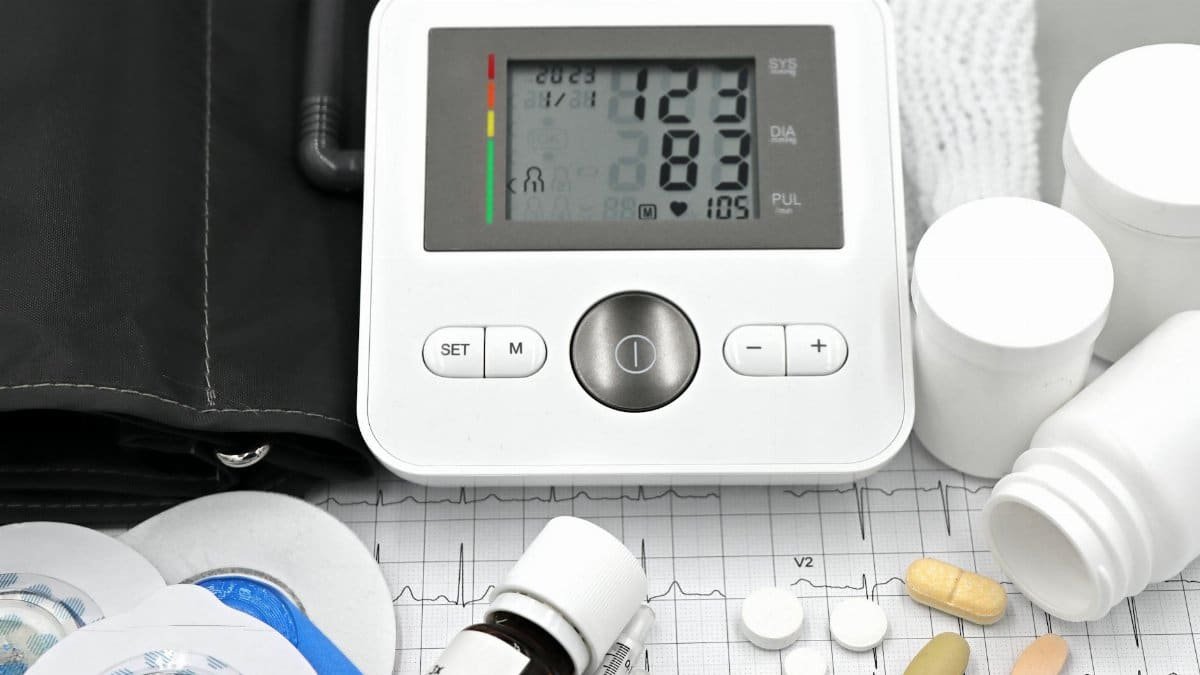
When Sarah Thompson first heard about a breathing technique that could lower blood pressure she was skeptical. The 58 year old school teacher from Ohio had struggled with hypertension for years. Medications helped but often came with unwelcome side effects that left her feeling drained and disconnected from her daily life. Then her physician mentioned a simple daily practice supported by new research. Thompson decided to try it. What she discovered was the breathing blood pressure trick a method that would change her approach to managing her health.
Over the course of eight weeks her systolic blood pressure dropped by 12 points. She felt more relaxed and in control than she had in years. Thompson is not alone. A growing body of evidence suggests that this accessible technique offers real benefits for the millions of Americans navigating high blood pressure. The approach requires no special equipment and can be done almost anywhere. Its simplicity is part of its appeal for those seeking natural solutions in an increasingly complex healthcare landscape.
The Clinical Trial That Brought It To Light

Researchers at the University of Colorado recruited 128 adults diagnosed with high blood pressure for a randomized controlled trial. Half the group practiced guided breathing exercises for five minutes each day while the other half followed standard relaxation methods. After 12 weeks the results were striking. The breathing group saw an average reduction of 9.5 points in systolic pressure and 5.2 points in diastolic pressure. These findings were statistically significant and clinically meaningful according to established medical benchmarks. The study authors concluded that this form of guided breathing could serve as an effective complement to traditional treatments. Full details of the trial can be found in the CNN report that first brought widespread attention to the work.
Understanding The Technique Itself
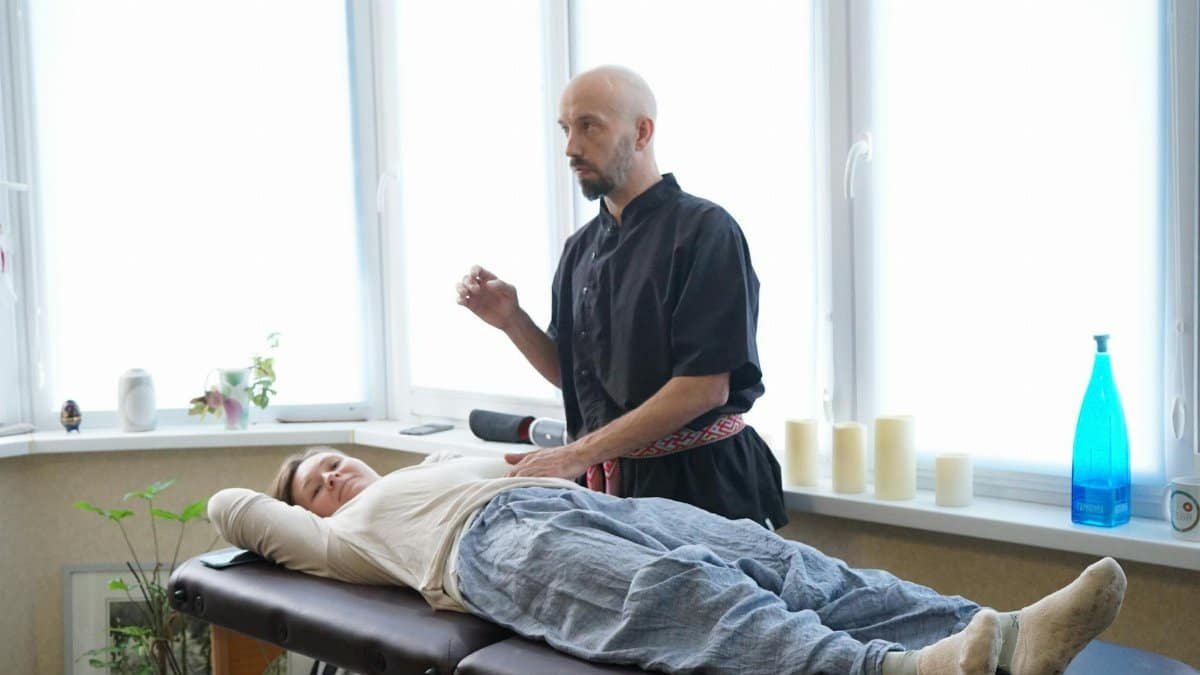
At its core the method involves breathing at a deliberately slow rhythm of roughly six breaths per minute. Practitioners inhale gently for about five seconds and exhale for the same count creating a smooth continuous cycle. This pace is noticeably slower than ordinary breathing and it encourages the body to enter a state of coherence where heart rate blood pressure and nervous system activity begin to synchronize. No expensive devices are required although some people choose free smartphone applications that provide gentle audio cues. The essential element is regularity paired with gentle focused attention. Many who adopt the habit describe an immediate sense of calm that makes the practice feel rewarding rather than burdensome.
Physiological Mechanisms At Work

Slow breathing influences the autonomic nervous system by dialing down sympathetic fight or flight activity and strengthening parasympathetic rest and digest responses. This shift promotes vasodilation which allows blood vessels to relax and reduces pressure against artery walls. The practice also appears to enhance baroreflex sensitivity allowing the body to more effectively sense and regulate its own blood pressure. Brain imaging studies reveal decreased activity in regions linked to stress while heart rate variability improves a key marker of cardiovascular resilience. These biological changes accumulate with consistent practice leading to lasting rather than fleeting improvements. The body essentially retrains itself using nothing more complicated than breath.
Links To Ancient Spiritual Practices

Long before laboratories began measuring blood pressure controlled breathing formed a cornerstone of spiritual traditions worldwide. Yogic pranayama exercises sought to balance vital energy through deliberate breath patterns. Buddhist mindfulness practices have always returned attention to the rising and falling of each breath. Similar rhythmic techniques appear in contemplative Christian prayer Islamic dhikr and countless indigenous ceremonies. Modern research is now validating what these traditions intuited centuries ago: breath sits at the intersection of body and spirit. For many middle aged adults the daily practice becomes more than a health intervention. It offers a quiet doorway into presence and a gentle reconnection with something larger than the self a dimension that resonates deeply in an age of constant distraction.
Participant Stories Reveal Broader Impacts

Beyond the numerical improvements participants consistently report better sleep reduced anxiety and steadier energy throughout the day. A retired engineer from Michigan said the practice gave him a tool to step away from racing thoughts that once kept him awake at night. A 62 year old bookstore owner in Oregon described feeling more patient with her grandchildren after only a month of daily sessions. While personal experiences naturally differ the pattern of feedback suggests benefits that reach into emotional wellbeing and social connections. These accounts add human texture to the clinical data and help explain why so many people continue the practice long after their blood pressure numbers have stabilized.
How It Compares To Traditional Approaches

Standard medical guidance for high blood pressure emphasizes medication when needed along with dietary changes regular physical activity and stress reduction. The breathing practice does not supplant these pillars but integrates smoothly with them. Unlike pharmaceutical options it carries virtually no risk of side effects though it does demand consistent daily effort. Compared with vigorous exercise programs it feels far more approachable for adults facing joint limitations or demanding schedules. Physicians stress the importance of consulting a healthcare provider before adjusting any treatment plan. When used thoughtfully the technique appears to amplify the effectiveness of conventional strategies creating a more balanced path toward cardiovascular health.
Integrating The Practice Into Daily Routines
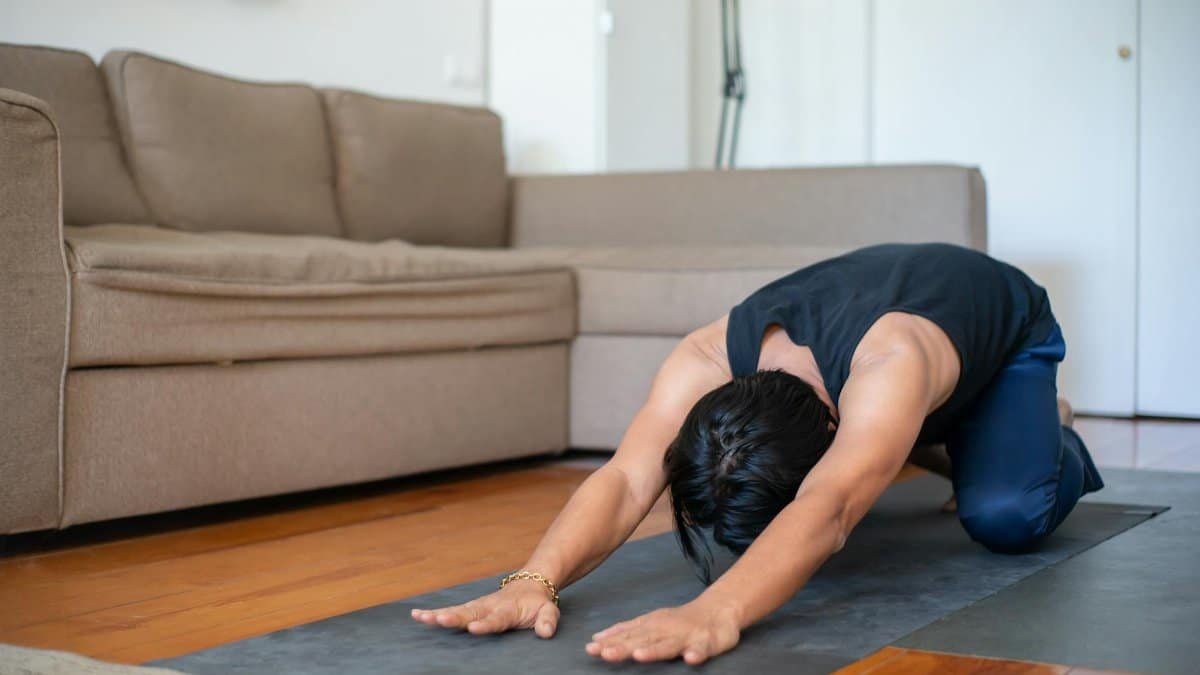
Most people discover they can weave the exercise into moments that already exist. Some practice while sitting on the edge of the bed immediately after waking. Others use a few quiet minutes at their desk during lunch or while waiting in the carpool line. The posture is secondary to the rhythm though sitting upright with a relaxed spine tends to support fuller breaths. Consistency matters more than perfection. Those who tie the habit to an existing daily cue such as after morning coffee or before evening reading find it easier to maintain. Within a few weeks the practice often begins to feel as natural as any other hygiene ritual and the accumulating benefits reinforce the commitment.
Insights From Medical Professionals
Hypertension specialists have greeted the findings with measured enthusiasm. Dr Emily Chen a cardiologist at Johns Hopkins observes that even modest sustained reductions in blood pressure can meaningfully lower lifetime risk of stroke and heart disease. Other voices in the field call for larger scale studies that follow participants for several years to confirm durability of the effect. Still many clinicians have begun recommending the technique as a safe low cost addition to lifestyle counseling. The approach fits comfortably within the expanding field of lifestyle medicine which treats root causes rather than symptoms alone. For patients wary of adding yet another pill the method represents an empowering alternative they can control.
Additional Benefits That May Surprise You

Improved blood pressure numbers are only the most measurable outcome. Regular practitioners frequently note sharper mental focus better emotional regulation and a general lightening of mood. Preliminary research hints at possible gains in immune response and even subtle improvements in cognitive flexibility perhaps tied to better oxygenation and lower systemic inflammation. For adults in their middle years when responsibilities peak and health concerns often surface these secondary effects feel especially valuable. The daily pause becomes an investment that pays dividends across multiple dimensions of life at virtually no financial cost.
Important Considerations Before Beginning
Although the practice is safe for the vast majority certain individuals should proceed with guidance. People with uncontrolled respiratory conditions severe untreated hypertension or recent cardiac events need to consult their doctors first. Learning the correct gentle rhythm prevents unintended strain or dizziness. Beginning with shorter sessions and gradually lengthening them allows the body to adapt comfortably. Home blood pressure monitoring can offer encouraging feedback yet it should never replace regular medical checkups. The technique works best when viewed as one element within a broader health strategy developed alongside a trusted physician.
Looking Ahead To Broader Applications

Scientists are already investigating whether similar breathing protocols might ease symptoms of anxiety chronic pain or even certain inflammatory conditions. Technology developers are creating more intuitive tools that adjust guidance according to real time biometric data. Public health departments see promise in community workshops that could bring the method to populations with limited access to expensive treatments. Should upcoming trials continue to support these early results the breathing blood pressure trick could eventually find a permanent place in preventive cardiology guidelines. Its emergence offers a hopeful reminder that some of the most effective tools for modern health challenges may be hidden in plain sight within the simple act of breathing.