
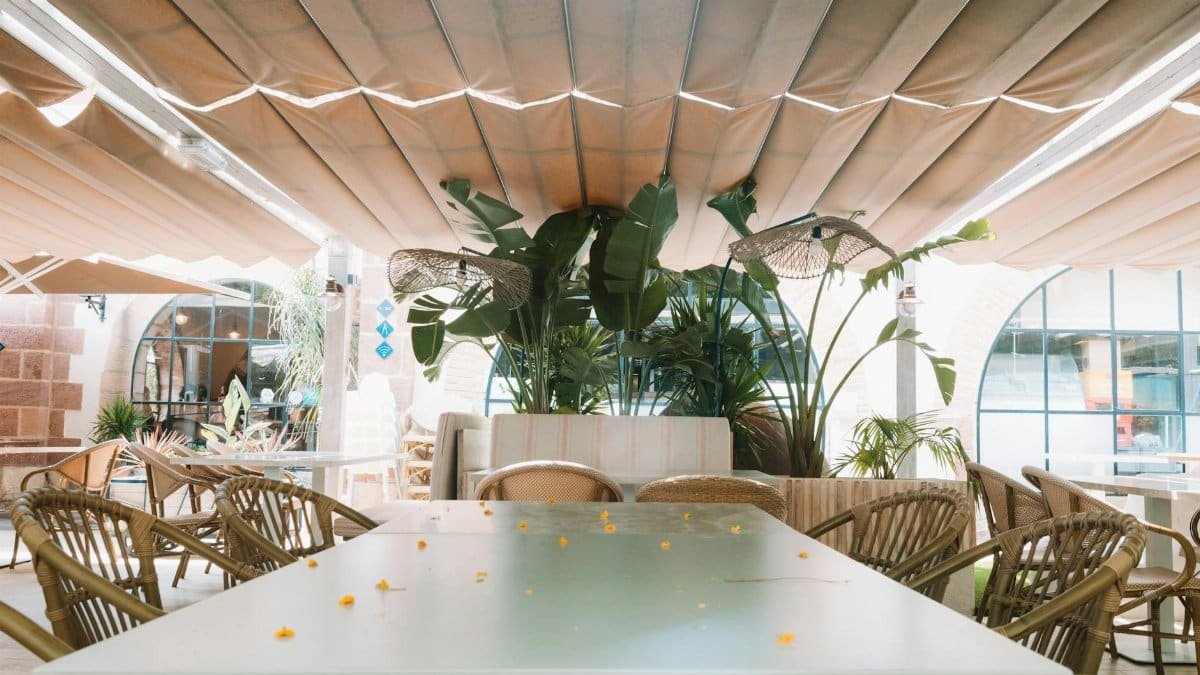
In the heart of Coral Gables a culinary destination has arrived that transcends the ordinary meal. The ecuadorian restaurant coral gables known as Sabores del Ecuador brings recipes refined over years in Spain to South Florida for the first time. What began as a modest Madrid eatery celebrating the flavors of the Andes and the Ecuadorian coast has grown into a phenomenon praised for its authenticity and warmth. Diners here encounter more than food. They find a space that honors deep cultural roots and invites reflection on heritage community and the simple joy of gathering around a table. For many middle aged residents seeking meaningful experiences beyond routine this opening feels timely. It taps into a quiet hunger for connection in an increasingly fragmented world where authentic traditions can restore a sense of wholeness.
The restaurant arrives amid a broader shift in how people approach dining. Rather than chasing trends many now look for meals that nourish the spirit as much as the body. Sabores del Ecuador succeeds by staying true to Ecuadorian values of respect for nature and gratitude for abundance. Its presence in Coral Gables enriches the local scene while reminding us that food remains one of the most accessible bridges between cultures.
The Journey From Spain To Florida
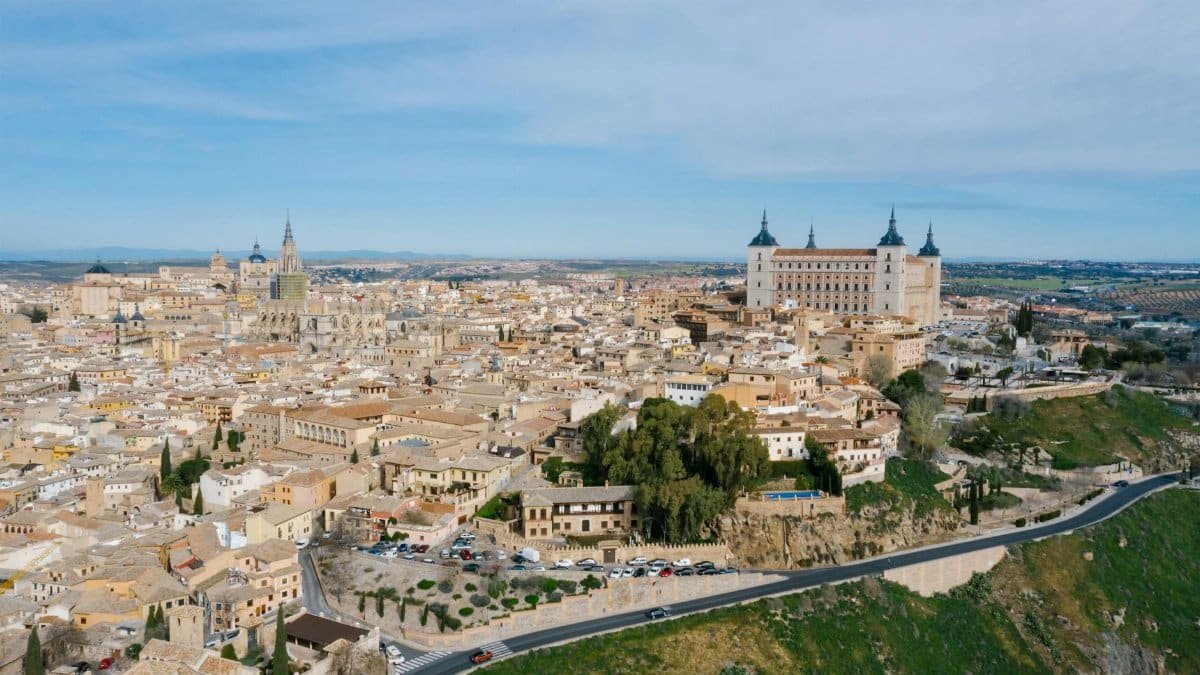
Chef Luis Ramirez opened the first Sabores del Ecuador in Madrid nearly a decade ago intending to introduce his grandmother recipes to European diners. The response exceeded all expectations. Locals and visitors alike embraced the bright ceviches the comforting soups and the slow cooked meats infused with herbs from the Ecuadorian highlands. Success in Spain led to additional locations yet Ramirez always envisioned sharing this cuisine with communities that shared cultural ties. Coral Gables with its graceful architecture and appreciation for Latin American heritage emerged as the natural choice for the first United States venture. The move required months of planning including securing suppliers who could deliver ingredients that meet the chefs exacting standards while supporting sustainable practices.
Ramirez views the expansion as more than a business decision. He describes it as a continuation of a personal mission to preserve and celebrate Ecuadorian identity abroad. The ecuadorian restaurant coral gables therefore carries both culinary and emotional weight for its founder and early patrons.
Understanding The Spiritual Roots Of Ecuadorian Cooking
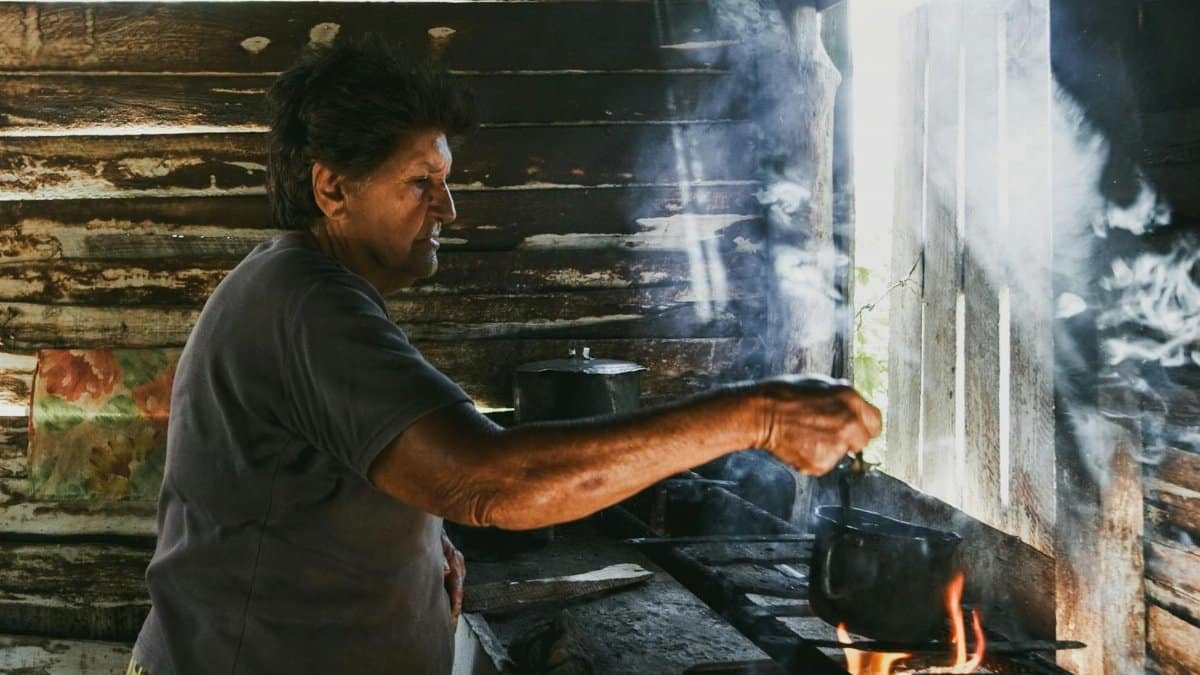
Ecuadorian cuisine draws from indigenous traditions that regard food as sacred. Many dishes reflect a worldview in which nature and humanity exist in delicate balance. Ingredients like quinoa potatoes and fresh seafood are treated with reverence because they come from Pachamama or Mother Earth. At Sabores del Ecuador this perspective shapes everything from menu design to the care taken in preparation. The kitchen avoids waste and emphasizes seasonal availability whenever possible. Diners often remark on a sense of calm that settles over them as they eat. This feeling stems from the intention behind each recipe rather than coincidence.
In a world filled with distraction the act of sitting down to a thoughtfully prepared meal can become a form of meditation. The restaurant gently encourages this outlook without imposing it allowing guests to discover the spiritual dimension at their own pace. This approach has particular appeal for those in midlife who increasingly prioritize wellness that encompasses both physical health and inner peace.
Signature Dishes That Nourish Body And Soul
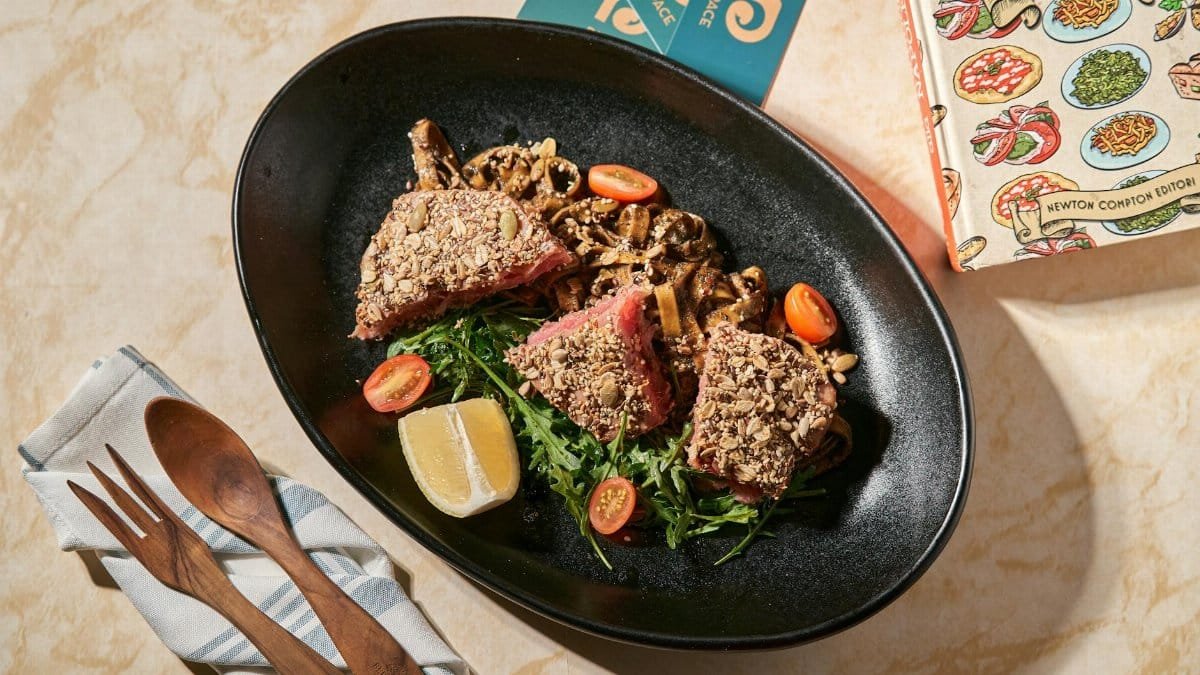
The menu features classics reinterpreted with care. The ceviche mixto arrives bright with lime and red onion accompanied by chochos or lupini beans that add earthy depth. Locals have quickly embraced the hornado roasted pork marinated for hours in a blend of spices that echoes highland celebrations. Soups such as the locro de queso offer comfort on cooler evenings while plantain based dishes provide satisfying texture and subtle sweetness. Each plate tells a story of region and season.
Vegetarian options abound reflecting the diversity of Ecuadorian agriculture. Grilled mushrooms served with toasted corn and fresh herbs demonstrate that plant based eating can feel both nourishing and complete. Desserts remain light emphasizing tropical fruits and delicate pastries rather than heavy sweetness. Portion sizes encourage sharing which aligns with the Ecuadorian custom of meals as communal experiences. The ecuadorian restaurant coral gables has already developed a following for these dishes that satisfy without overwhelming.
Creating A Space For Reflection And Connection

Interior designers worked closely with Ramirez to craft an environment that feels both elegant and serene. Wooden tables crafted from sustainable sources sit beneath soft lighting that recalls Andean evenings. Subtle artwork depicting Ecuadorian landscapes adorns the walls without demanding attention. The layout allows for intimate conversations yet accommodates larger groups celebrating special occasions. Sound levels remain low enough for easy discussion which many patrons in their forties and fifties particularly appreciate.
Staff receive training not only in service techniques but also in the stories behind the dishes. Their ability to explain the cultural significance of ingredients adds another layer to the experience. Guests frequently linger long after plates are cleared engaging in conversations that move from food to travel to broader questions of identity and belonging. In this way the restaurant functions as a modern gathering place where community can take root.
Community Engagement And Cultural Exchange
From the beginning Sabores del Ecuador has sought to integrate itself into the Coral Gables community. The team has partnered with local farmers markets and plans cooking demonstrations that teach participants about Ecuadorian techniques and ingredients. These events often sell out quickly revealing strong interest in hands on cultural learning. The restaurant also supports immigration advocacy organizations recognizing that many in the local Latin community share similar journeys to the one Ramirez himself undertook years ago.
By hosting these activities the establishment moves beyond commerce to become a cultural hub. Middle aged diners in particular value this aspect. Many express relief at finding a restaurant that contributes positively to the neighborhood rather than simply extracting profit from it. This commitment strengthens loyalty and transforms first time visitors into regular guests.
Sustainable Practices Inspired By Tradition

Ecuadorian culture has long emphasized living in harmony with the environment. The restaurant applies this teaching through several concrete measures. Seafood arrives from suppliers certified in responsible fishing. Produce comes primarily from farms using regenerative methods. Even the cleaning products in the kitchen meet strict ecological standards. These choices stem from conviction rather than marketing.
Ramirez explains that respecting the earth forms the foundation of authentic Ecuadorian cooking. When ingredients are harvested thoughtfully the resulting dishes carry more life force according to traditional belief. Guests rarely notice these practices directly yet they contribute to an overall sense of integrity that permeates the entire experience. In an age of growing environmental awareness such attention to detail resonates deeply.
Early Reviews From Coral Gables Residents
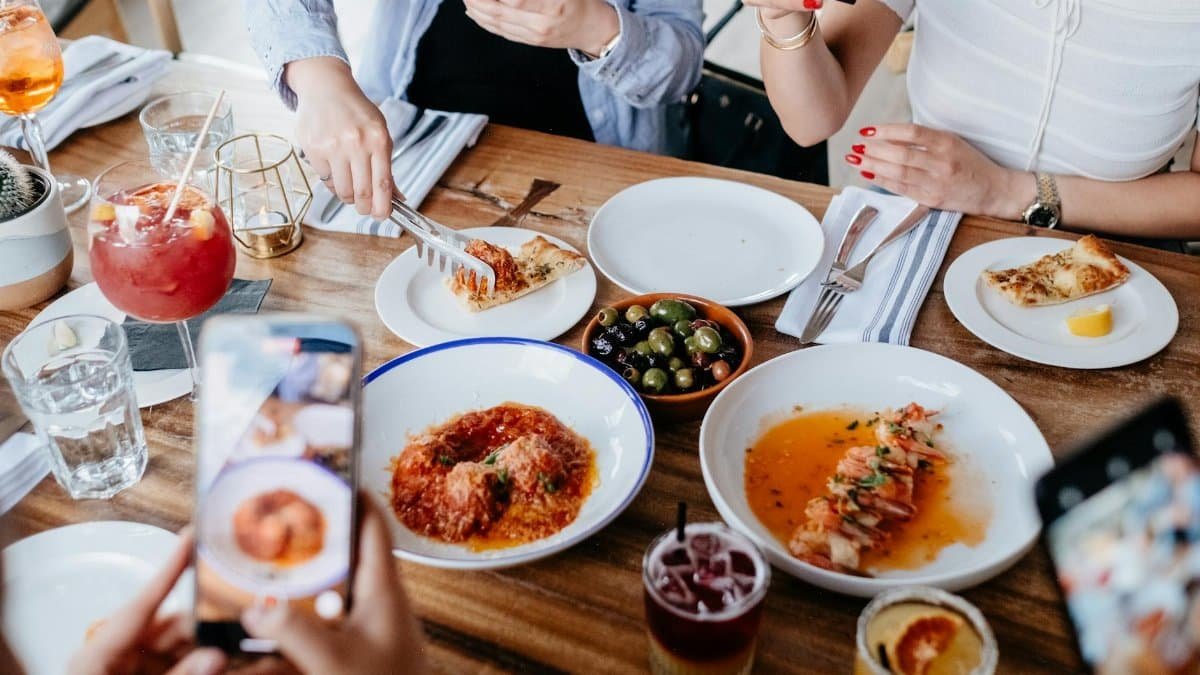
Initial feedback has been overwhelmingly positive. Local food writers praise the brightness of flavors and the consistency of execution. One reviewer noted that each bite seemed to carry intention a rare quality in busy restaurant kitchens. Patrons have taken to social media to share photographs and stories many highlighting how the restaurant provided the setting for meaningful family discussions or first dates with new partners.
Common themes emerge in these accounts. People appreciate the absence of pretension combined with evident expertise. Several middle aged couples mentioned returning within the same week because the atmosphere helped them disconnect from daily pressures. The ecuadorian restaurant coral gables appears to have struck a chord by offering both excellence and emotional resonance.
How This Fits Into Wider Dining Trends
Across the country diners increasingly seek restaurants with clear cultural narratives and ethical foundations. Sabores del Ecuador aligns perfectly with this movement. It offers authenticity without exoticism and tradition without rigidity. This balance appeals to educated professionals who want to support businesses that reflect their values. The restaurants popularity in Spain suggests the concept travels well and early signs indicate similar success in South Florida.
Broader interest in wellness tourism and ancestral knowledge further supports this type of establishment. People want to understand where their food comes from and how it connects to larger stories of human experience. By presenting Ecuadorian cuisine through both flavor and philosophy the restaurant meets these desires while remaining approachable and warm.
The Role Of Authenticity In Modern Life

In our fast paced world genuine experiences have become precious. Sabores del Ecuador provides one such experience by refusing to dilute its identity for mass appeal. The menu changes with the seasons. Staff share personal stories. The entire operation reflects a coherent set of beliefs about food community and responsibility. For many guests this coherence feels restorative.
Middle aged readers especially may recognize the pattern. After years of balancing careers and family obligations the search for meaning often intensifies. A restaurant that honors tradition while welcoming everyone can become part of that search. It offers a place to pause to taste to listen and to remember that culture lives most vibrantly when shared.
Looking Ahead To Future Endeavors

Ramirez has no immediate plans to franchise widely preferring instead to ensure the Coral Gables location fully establishes itself as a beloved community fixture. Future possibilities include educational workshops on Ecuadorian home cooking and perhaps a small market selling ingredients used in the kitchen. The goal remains consistent: to deepen understanding between cultures while preserving the soul of Ecuadorian culinary heritage.
Early indications suggest the restaurant will thrive. Reservations already fill quickly on weekends and the lunch crowd of local professionals has grown steadily. More importantly the conversations sparked at its tables indicate that Sabores del Ecuador has achieved something rare. It has created a space where food serves as both pleasure and portal to something larger. In Coral Gables that accomplishment feels both timely and timeless.
The ecuadorian restaurant coral gables has set a high standard for what thoughtful dining can achieve. It reminds us that behind every great restaurant lies a story of human connection reverence for nature and the enduring power of shared meals. As weeks turn into months this new establishment seems likely to become not merely another dining option but a meaningful part of Coral Gables cultural landscape.