

The recent legal action in Washington state has brought fresh attention to how voters encounter complex fiscal proposals at the ballot box. A group of critics filed suit after state officials inserted an extra public investment impact statement into the materials for a proposed levy on high earners. This addition occurred following the collection of signatures, raising questions about whether the change altered the original intent of the measure. Observers note that the phrasing around revenue use and economic effects now sits at the center of the dispute. The case centers on millionaires tax ballot language that appeared only after the petition process closed. Such timing has prompted arguments that the final wording could sway public understanding in ways not anticipated during the signature drive.
Origins of the Proposed Levy

The initiative originated as a plan to tax capital gains above a certain threshold, directing proceeds toward education and housing programs. Backers gathered signatures over several months in 2023, framing the effort as a way to address revenue shortfalls without broad based increases. Once certified, however, election officials added language describing projected spending outcomes. Plaintiffs contend this step exceeded administrative authority and introduced new interpretive elements.
Details of the Lawsuit Filing
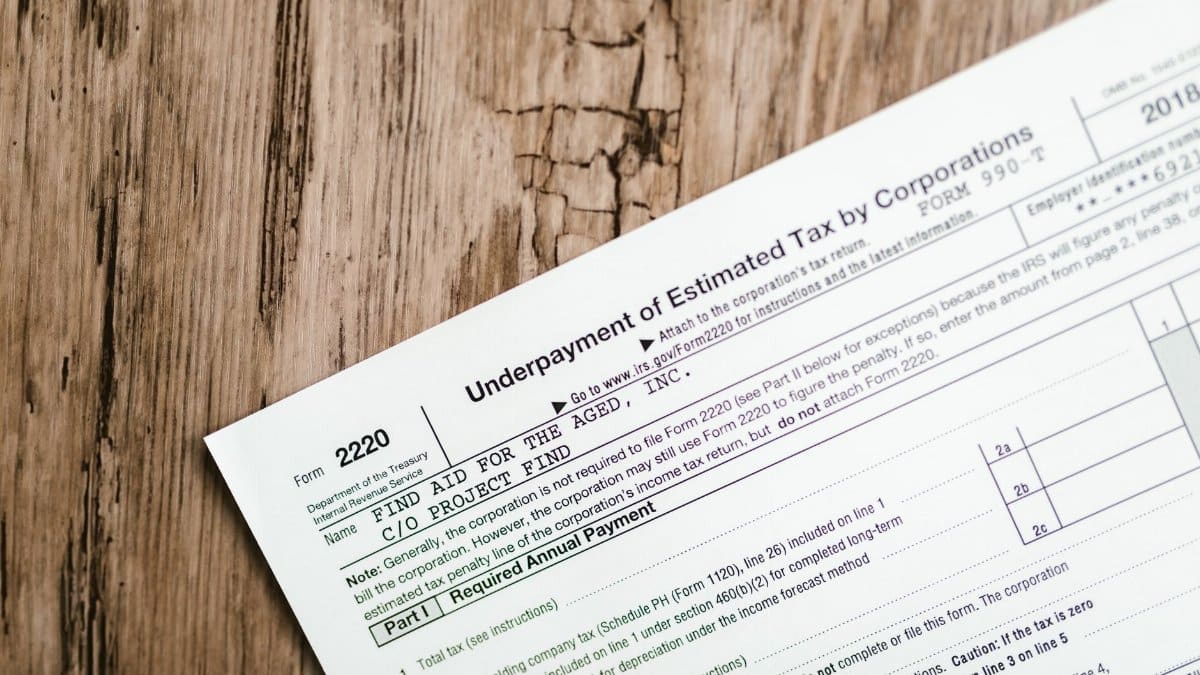
Attorneys for the challengers argue that state law limits revisions to ballot materials once petitions are complete. They point to statutes that require fidelity to the text approved by signers. The complaint seeks to strike the added statement and restore the version circulated earlier. A hearing date has been set for later this month in Thurston County Superior Court.
Role of the Public Investment Statement

The disputed paragraph outlines how funds might support specific services, including estimates of new classroom construction and rental assistance. Supporters of the addition say it provides useful context drawn from fiscal notes prepared by legislative staff. Critics reply that such projections remain speculative and could tilt neutral voters toward one side.
Historical Precedents in State Ballot Rules

Washington has seen similar disputes over wording adjustments in past cycles, often involving environmental or health care measures. Courts have generally upheld minor clarifications while striking changes that shift emphasis. Legal scholars suggest the current case will test the boundary between administrative polish and substantive alteration.
Views from Initiative Sponsors

Backers of the tax proposal maintain that the core structure remains intact despite the insertion. They emphasize that the revenue target and rate structure match the circulated version exactly. Any impact language, they add, simply reflects standard practice for informing the electorate about fiscal effects.
Concerns Raised by Fiscal Watchdogs

Independent analysts note that impact statements can vary widely in tone depending on assumptions about economic growth and migration patterns. Some models project higher yields while others forecast reduced investment activity. This variability underscores why precise wording matters when voters weigh tradeoffs.
Potential Effects on Voter Turnout

Surveys from prior elections indicate that clear descriptions of revenue use can influence participation rates among middle income households. Ambiguous phrasing sometimes leads to lower support as uncertainty grows. The lawsuit could therefore shape not only this measure but future efforts to present tax policy choices.
Broader Implications for Initiative Processes

If the court sides with the plaintiffs, election offices across the state may adopt stricter guidelines on post signature edits. Lawmakers could also consider statutory updates to clarify the scope of administrative discretion. Either outcome would influence how citizen driven measures reach the ballot in coming years.
Reactions from Business and Labor Groups

Chambers of commerce have filed amicus briefs warning that uncertain ballot language risks deterring capital formation. Labor organizations counter that the tax targets only the wealthiest residents and that clear spending details help counter misinformation. Both sides plan to monitor proceedings closely.
Next Steps in the Judicial Review
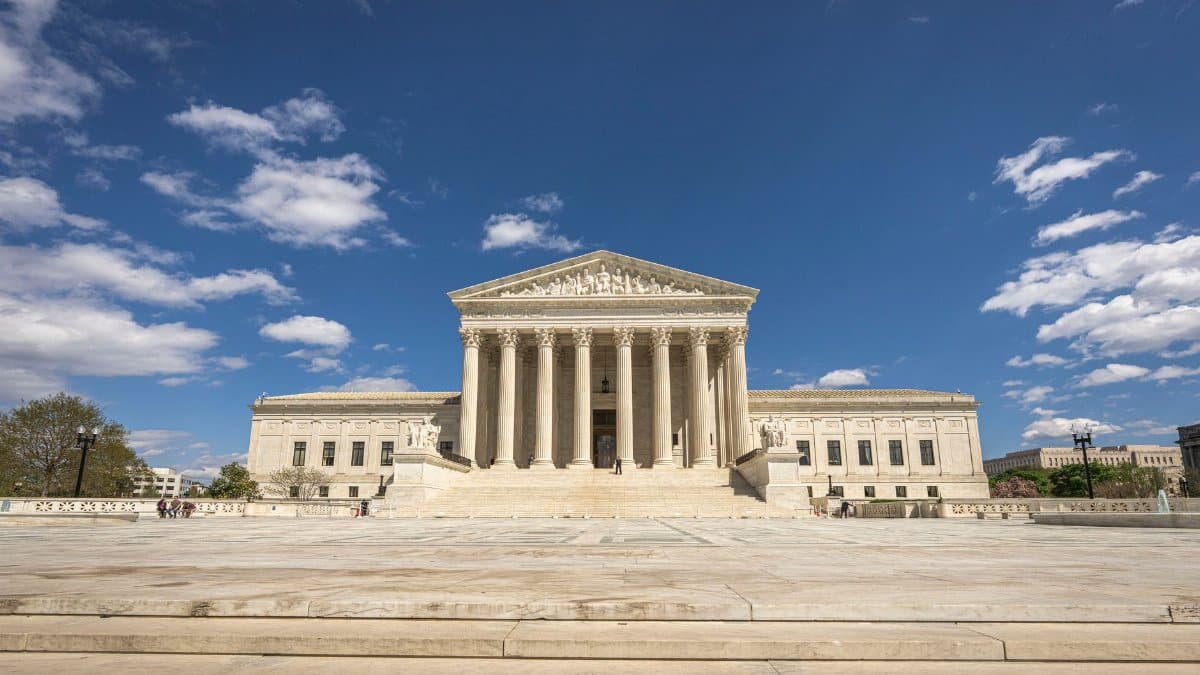
Oral arguments will focus on statutory interpretation and administrative procedure. Judges may request additional briefing on comparable cases from other states. A ruling is expected before the printing deadline for the November ballot, preserving the possibility of revised materials if needed.