
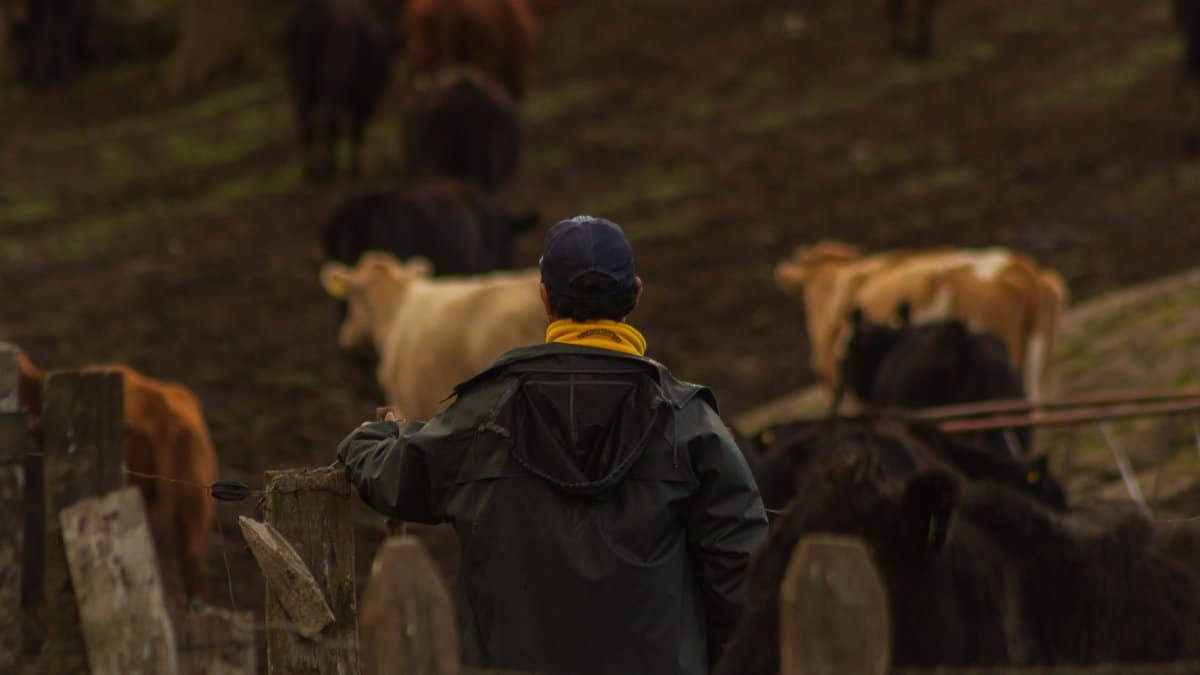
In the rolling pastures of southern Illinois a dedicated cattle farmer has found himself battling an unexpected aerial menace. Black vultures have started targeting vulnerable newborn calves leading to losses that threaten the viability of his operation. This situation with black vultures cattle has prompted him to seek special permits for control measures while highlighting broader ecological shifts in the region. Local observers note the birds circling in increasing numbers drawn perhaps by changes in land use and milder winters that support larger flocks.
Shifts in Regional Wildlife Patterns
Across southern Illinois observers have documented rising numbers of large scavenging birds. These changes appear tied to alterations in farming practices and the availability of food sources from livestock operations. Farmers report seeing groups of the birds more frequently than in past decades suggesting a population expansion that now overlaps with traditional cattle raising areas.
Daily Challenges on the Farm
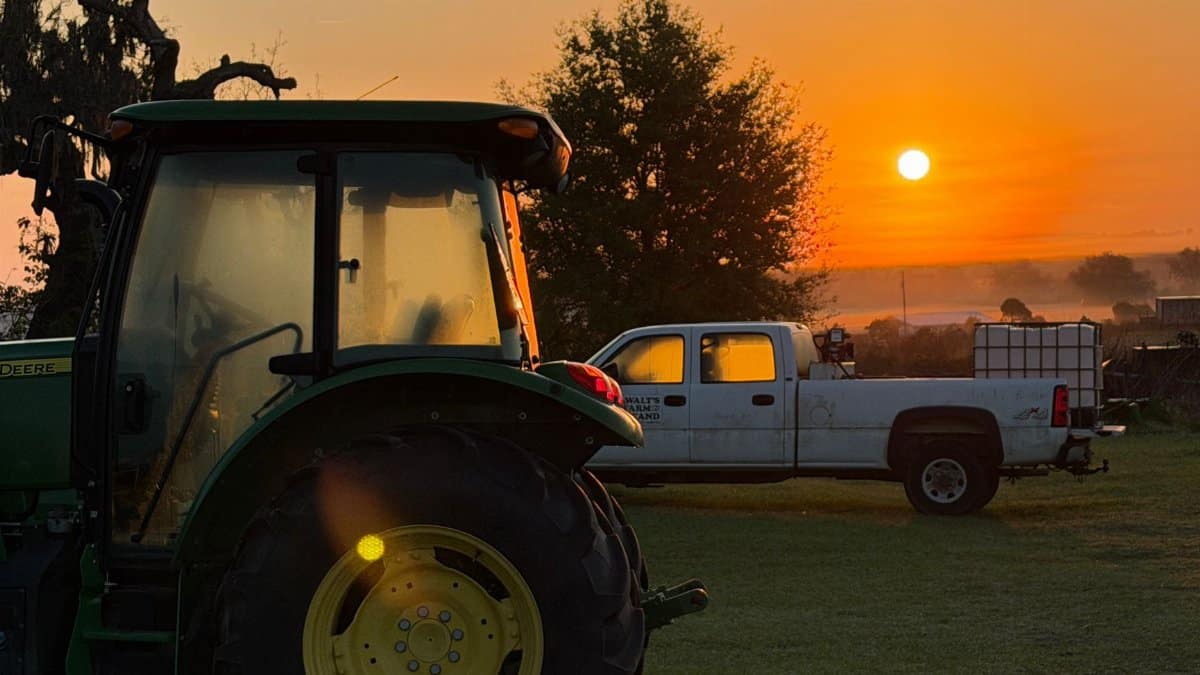
Each morning the farmer checks his herd with heightened vigilance. Calves born in open fields face risks from circling birds that may attack when the young animals are still weak. This ongoing watch demands extra labor and resources as the producer works to safeguard his livelihood amid growing pressures.
Permit Process and Legal Options

State wildlife officials have issued a limited permit allowing targeted removal of the birds under strict conditions. The approval process involves documentation of damages and demonstration that nonlethal methods have proven insufficient. Such measures reflect efforts to balance protection of livestock with conservation concerns for native species.
Ecological Role and Population Growth
Black vultures play a part in cleaning carcasses from the landscape yet their increasing presence near active farms creates conflicts. Experts point to factors such as expanded ranges northward and adaptation to new food opportunities as contributors to the trend. Monitoring programs track these developments to inform future management strategies.
Community Responses Among Producers

Neighboring cattle operations share similar stories of losses and the need for coordinated approaches. Discussions at local agricultural meetings focus on shared strategies including improved monitoring and fencing to deter the birds. Collective action helps distribute the burden of addressing this emerging issue across the area.
Broader Environmental Influences
Changes in climate and habitat appear to support larger groups of scavenging birds throughout the Midwest. Milder conditions allow more birds to survive winter months while shifts in forest cover provide additional roosting sites. These elements combine to alter the dynamics between wildlife and agricultural lands.
Practical Steps for Protection

Producers explore various deterrents ranging from visual scare devices to guard animals that can alert to threats. Some implement covered birthing areas to reduce exposure during vulnerable periods. These methods require investment yet offer ways to minimize reliance on lethal control options.
Looking Ahead for Rural Operations
The experience of this Illinois farm underscores evolving tensions between traditional agriculture and changing wildlife populations. Continued research and adaptive management will shape how such conflicts are handled in coming years. For now the focus remains on practical solutions that sustain both the land and the livelihoods it supports. black vultures cattle represent one facet of these wider adjustments in rural ecosystems.