
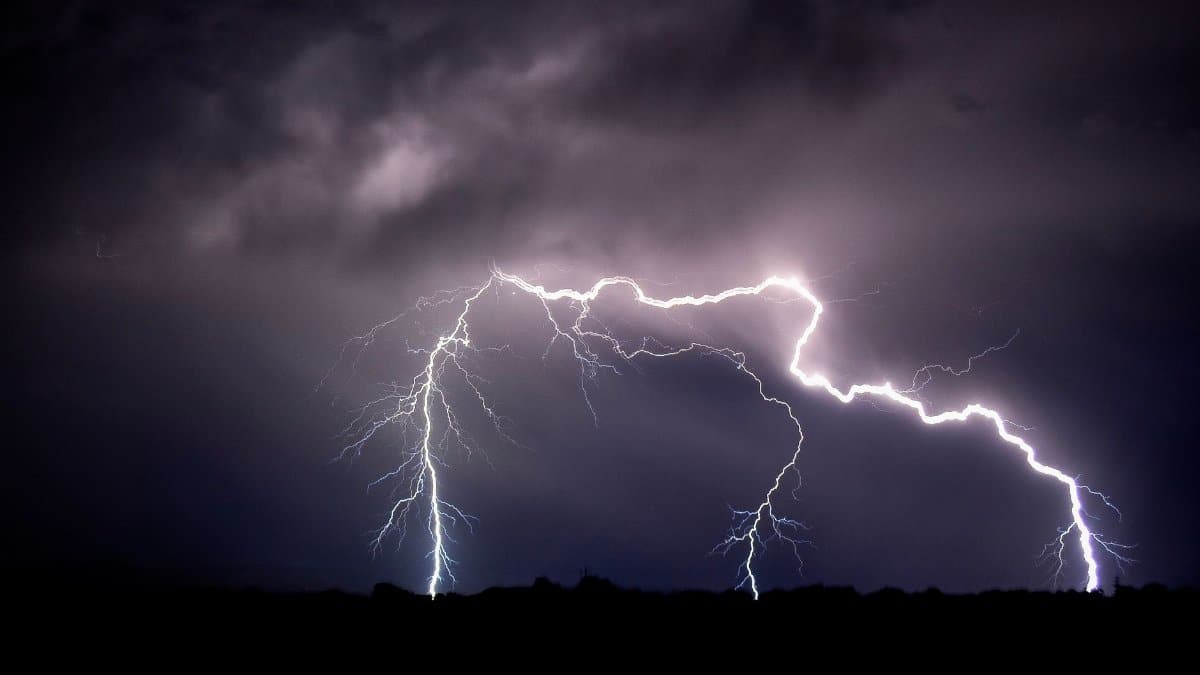
In the aftermath of intense thunderstorms that moved across the region, many households faced sudden interruptions to essential services and daily activities. Utility reports indicated significant challenges from these events, with Anne Arundel County experiencing the most concentrated issues. Crews from local providers mobilized rapidly to address fallen lines and damaged equipment, yet full restoration took several days in some spots. This episode underscores the recurring nature of Maryland power outages during summer months when severe weather strikes without much warning. Residents adapted by seeking alternative arrangements for work, school, and medical needs while awaiting updates from officials.
Effects on Daily Routines in Affected Areas

Families across multiple counties adjusted schedules as refrigerators lost cooling and home offices went dark. Some turned to generators for limited relief, though fuel supplies ran low in rural zones. Schools delayed openings where possible, and businesses closed early to avoid safety risks. Older adults in particular relied on neighbors for assistance with medications that required refrigeration. These adaptations revealed how even brief losses of electricity can cascade into broader inconveniences for middle aged households balancing work and family obligations.
Utility Company Response Efforts

Baltimore Gas and Electric along with other providers deployed extra teams to inspect poles and replace conductors. Officials coordinated with state agencies to prioritize critical facilities such as hospitals and water treatment plants. Progress reports came through social media and automated calls, yet many customers expressed frustration over inconsistent timelines. The scale of damage from high winds and lightning required careful sequencing to avoid further hazards. Such coordinated action helped limit the duration of Maryland power outages compared with earlier storms in recent years.
Weather Patterns Contributing to Disruptions
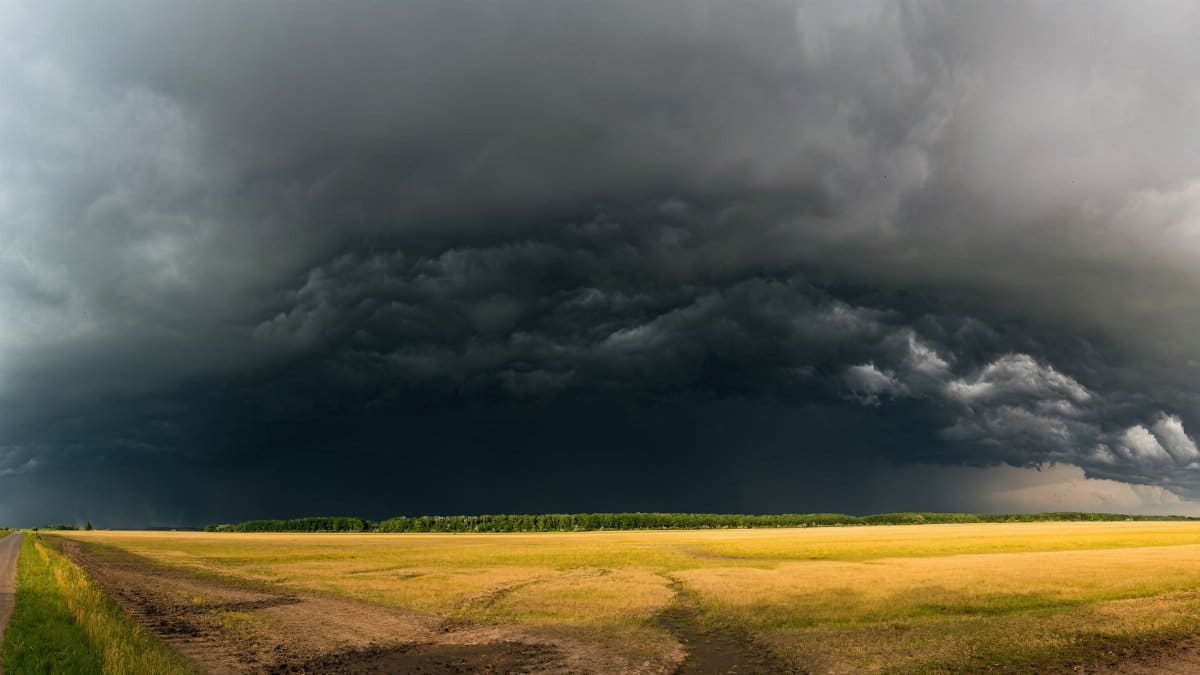
Meteorologists noted that a line of strong thunderstorms brought gusts exceeding fifty miles per hour in spots, toppling trees onto lines. Humidity and heat buildup earlier in the day fueled the intensity of these cells. Climate records show an uptick in such events during July, placing added strain on overhead infrastructure. Forecasters now emphasize the value of advance alerts so residents can prepare backup plans. Understanding these atmospheric drivers offers insight into why certain counties face repeated exposure.
Community Support Networks in Action

Local churches and civic groups opened cooling centers stocked with water and charging stations. Volunteers checked on isolated neighbors, delivering ice and helping with pet care. This grassroots response highlighted a collective resolve that extended beyond official channels. Stories emerged of shared meals cooked on outdoor grills and informal carpools for those without vehicles. Such efforts fostered a sense of connection amid the inconvenience, reinforcing social ties that endure after the lights return.
Lessons from Past Incidents

Similar events in prior seasons prompted investments in underground cabling for new developments. Reviews by state regulators led to updated vegetation management along rights of way. Residents who lived through earlier outages recalled stocking supplies more proactively this time around. These accumulated experiences inform both individual readiness and policy adjustments aimed at reducing vulnerability. Continued evaluation helps refine strategies for handling future weather threats.
Future Preparations for Residents

Experts recommend maintaining battery powered radios and sufficient water reserves for at least three days. Homeowners are encouraged to trim trees near service lines after obtaining proper permissions. Community workshops provide guidance on generator safety and understanding outage maps. Planning also involves knowing the location of nearby shelters in advance. These steps can ease the transition when storms again test the grid.
Broader Implications for Infrastructure

The recent episode adds to discussions about modernizing the regional power network to withstand intensifying weather. Investments in smart grid technology could enable faster isolation of faults and quicker rerouting of supply. Policymakers weigh costs against benefits while considering equity for lower income areas often hit hardest. Maryland power outages serve as reminders that reliable electricity underpins everything from healthcare access to economic stability. Ongoing dialogue among utilities, government, and citizens will shape how the system evolves.