

The conclusion of the international soccer tournament in North Texas has brought with it a comprehensive review of law enforcement activities. Officials have now disclosed the complete count of incidents leading to detentions during the matches hosted at Dallas area venues. This final accounting of World Cup Arrests offers insight into the challenges of managing large scale public gatherings. Local communities have expressed a mix of relief and reflection as the events wind down without major disruptions.
Overview of Final Detention Figures

Authorities released detailed statistics covering the entire period of the tournament. The numbers reflect a measured response to crowds that sometimes exceeded expectations in size and energy. Comparisons to earlier tournaments show similar patterns in how police handled minor offenses versus more serious matters.
Role of Local Police in Crowd Management
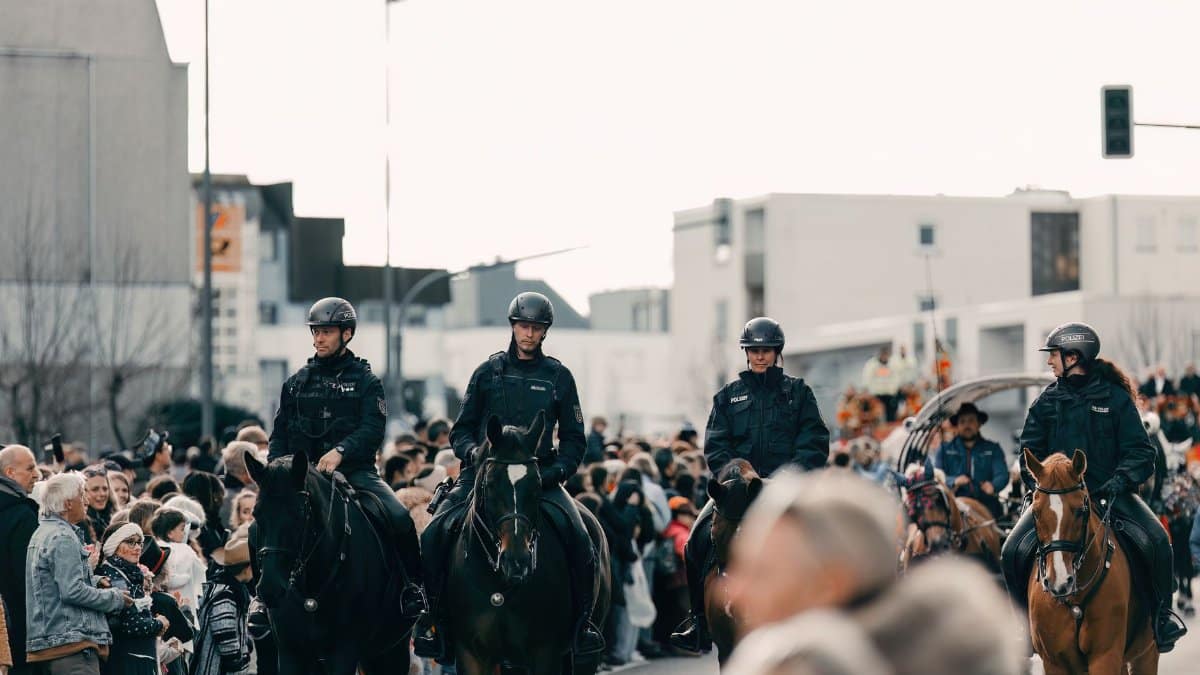
Departments from multiple cities coordinated closely to monitor venues and surrounding streets. Training sessions beforehand emphasized de escalation techniques that helped prevent small issues from escalating. Officers on the ground reported that most attendees followed guidelines willingly which reduced the overall need for interventions.
Impact on Surrounding Neighborhoods

Business owners near the stadiums described a period of heightened activity followed by a return to normal routines. Some noted temporary increases in foot traffic that benefited restaurants and shops while others observed minor disturbances that cleared quickly once games ended. Residents appreciated the extra patrols that contributed to a sense of security during peak hours.
Patterns Observed in Public Behavior

Analysis of the incidents revealed that alcohol related matters accounted for a notable portion of cases though these remained within expected bounds for such events. Officials pointed to effective signage and announcements that encouraged responsible conduct among fans. Data indicated fewer problems in family oriented sections compared to general admission areas.
Lessons for Future International Events

Planners are already reviewing what worked well and where adjustments might improve outcomes next time. Enhanced communication between agencies emerged as a key strength while technology such as surveillance cameras aided real time decision making. Discussions continue about balancing security needs with the welcoming spirit that defines these gatherings.
Media Coverage and Public Perception
News outlets followed the developments closely with reports focusing on both successes and areas for growth. Public sentiment appeared generally positive with many praising the smooth operations that allowed the focus to stay on the sport itself. Social media discussions echoed these views though some called for even greater transparency in future tallies.
Economic Considerations Tied to Event Safety
Local economies felt the effects of the tournament through increased spending yet also through costs associated with staffing and infrastructure. The low incidence of serious problems helped protect the reputation of the region as a capable host. Economists suggest that strong safety records can encourage repeat visits from international travelers in coming years.
Reflections on Community Resilience
North Texas demonstrated its capacity to host large events while upholding order and hospitality. The final reports on World Cup Arrests underscore the value of preparation and collaboration among all parties involved. As attention shifts to upcoming seasons residents and officials alike look ahead with cautious optimism grounded in recent experiences.