

In the vibrant coastal stretches of San Francisco a fresh proposal has captured public attention as voters prepare to weigh in on changes that could alter daily commutes and leisure routines alike. The Great Highway Ballot seeks to address longstanding questions about access to scenic routes while also touching on rules for public spaces near bars and parks. This measure arrives at a time when city leaders seek to balance recreation with community health concerns and the need for efficient travel options.
Roots of the Current Proposal

The idea stems from ongoing debates about a key roadway that runs beside the ocean. Advocates argue for expanded access during weekdays to ease pressure on other routes. Opponents raise worries about safety and preservation of natural dunes in the area.
Connection to Outdoor Smoking Rules
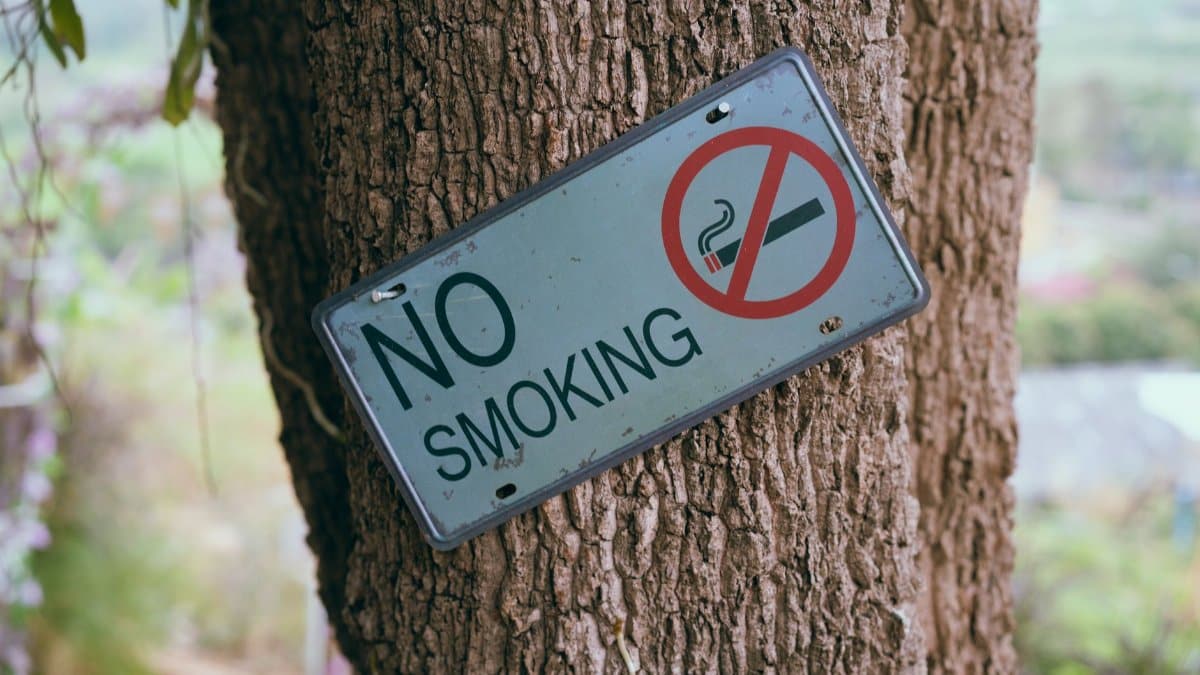
Alongside road access the measure brings forward discussions on limiting tobacco use in open areas. City officials have explored making zones near popular spots free of smoke to protect families and visitors. This aspect draws from broader efforts to promote cleaner environments in tourist heavy districts.
Potential Effects on Local Traffic
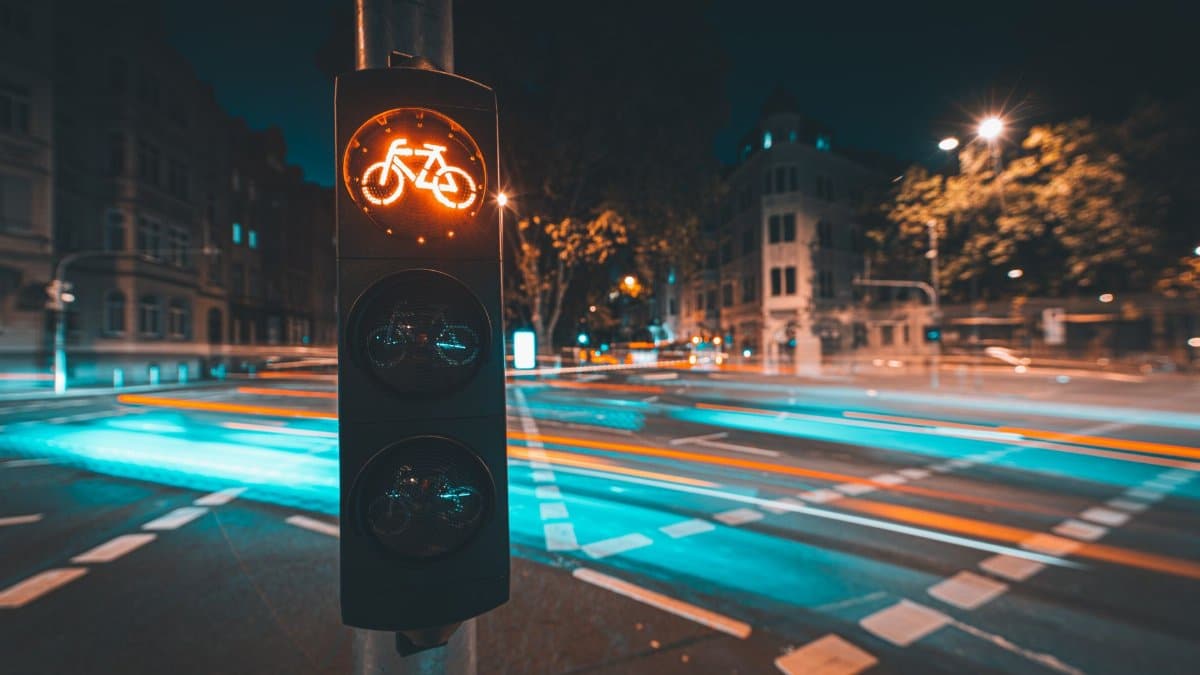
Reopening parts of the highway on weekdays might shift patterns for drivers heading south or north. Studies from similar projects in other coastal cities suggest mixed results with some relief in congestion but new challenges during peak hours. Residents in nearby neighborhoods watch closely for signs of increased volume.
Views from Community Members
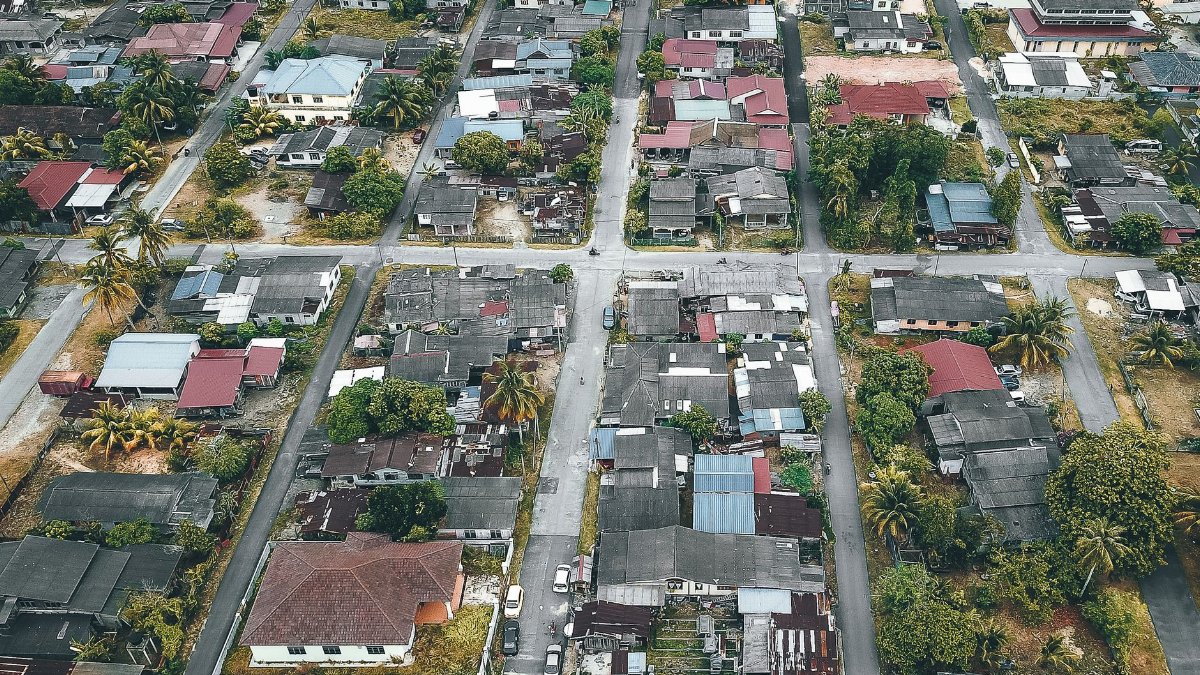
Many locals express support for more open paths to enjoy walks and bike rides. Others voice caution over possible noise or litter increases. Town hall meetings have revealed a range of opinions with families and business owners offering distinct perspectives on how the changes would play out.
Environmental Considerations at Stake
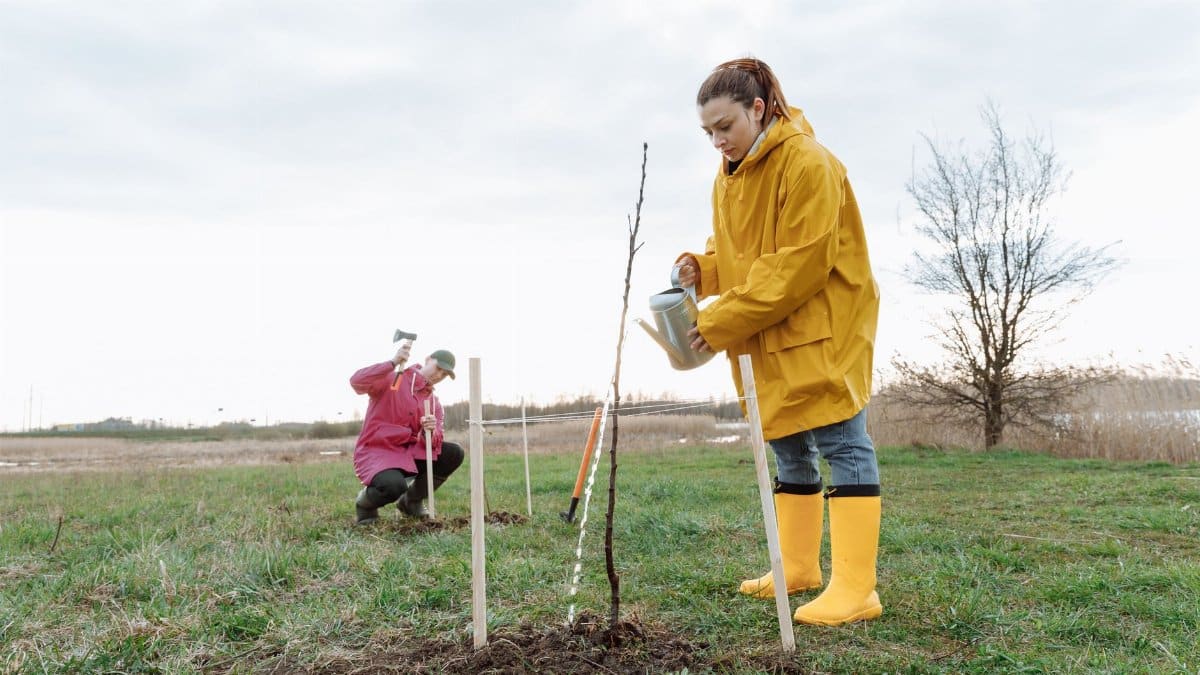
Preserving the dunes and nearby habitats forms a core part of the conversation. Experts note that vehicle traffic can disturb wildlife and erode sensitive lands over time. Supporters of limited access push for protections that keep the natural beauty intact for future generations.
Economic Impacts on Nearby Businesses

Shops and eateries along the corridor stand to gain from higher foot traffic if access expands. At the same time rules on smoking could influence where people gather and spend time. Owners remain divided on whether the combined changes would boost or hinder their operations.
Comparisons with Other City Initiatives
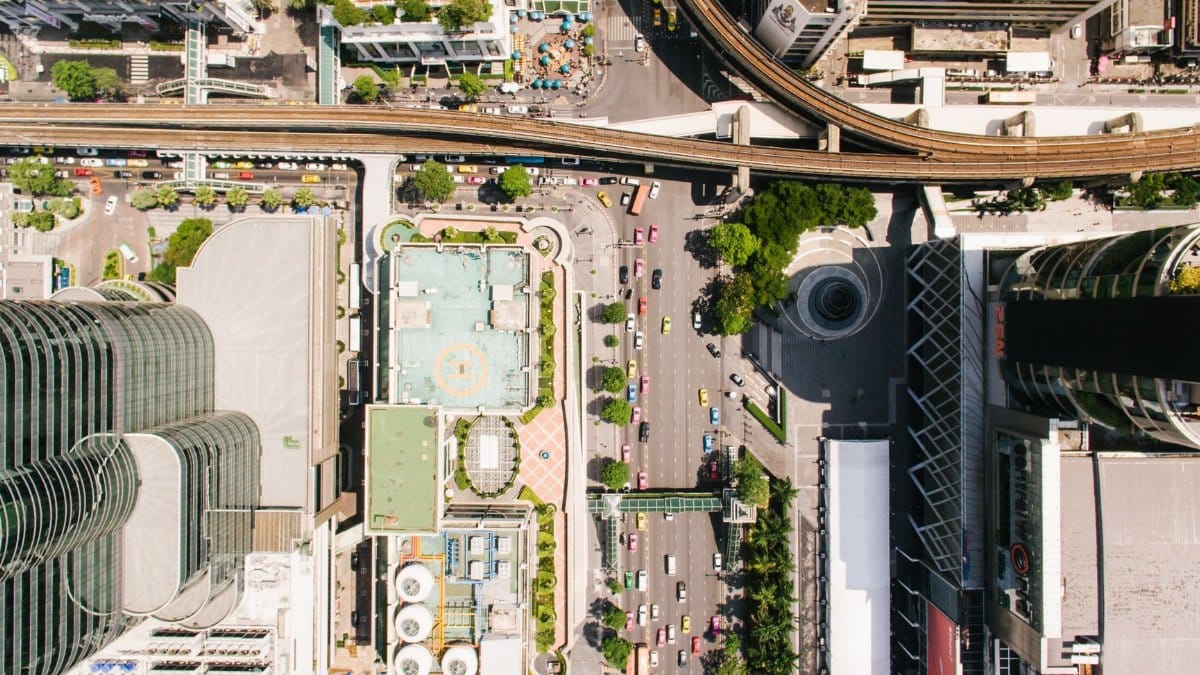
San Francisco has pursued similar ballot efforts in the past involving parks and transit. Lessons from those votes show the value of clear communication to voters. This Great Highway Ballot builds on that experience with added focus on health policies in public zones.
What Comes Next for Voters

As election season approaches more details will emerge through campaigns and media coverage. Participation in the process allows residents to shape the outcome on both road use and smoke free policies. The Great Highway Ballot thus serves as a test of how communities address competing priorities in shared spaces.
Broader Trends in Urban Planning
Cities across the nation face parallel questions about repurposing roadways for mixed use. This local effort reflects national shifts toward prioritizing pedestrian friendly designs and wellness in public policy. Observers see it as part of a larger movement to rethink how urban coasts serve all citizens.