
Recent studies reveal surprising differences in nightly rest that go far beyond simple early or late preferences. In one suburban household a woman rises alert and ready while her partner lingers in fog despite matching schedules. Such contrasts point to Sleep Subtypes Brain as a fresh lens for understanding personal energy and emotional steadiness across populations.
Mapping Distinct Rest Patterns

Scientists have outlined five separate rest patterns each tied to unique neural signatures. These groupings emerged from large scale scans showing how brain regions interact during deep and light phases. One pattern favors steady slow wave activity while another shows frequent shifts between stages. The distinctions help explain why some individuals recover faster from demanding days.
Neural Signatures Behind Each Type
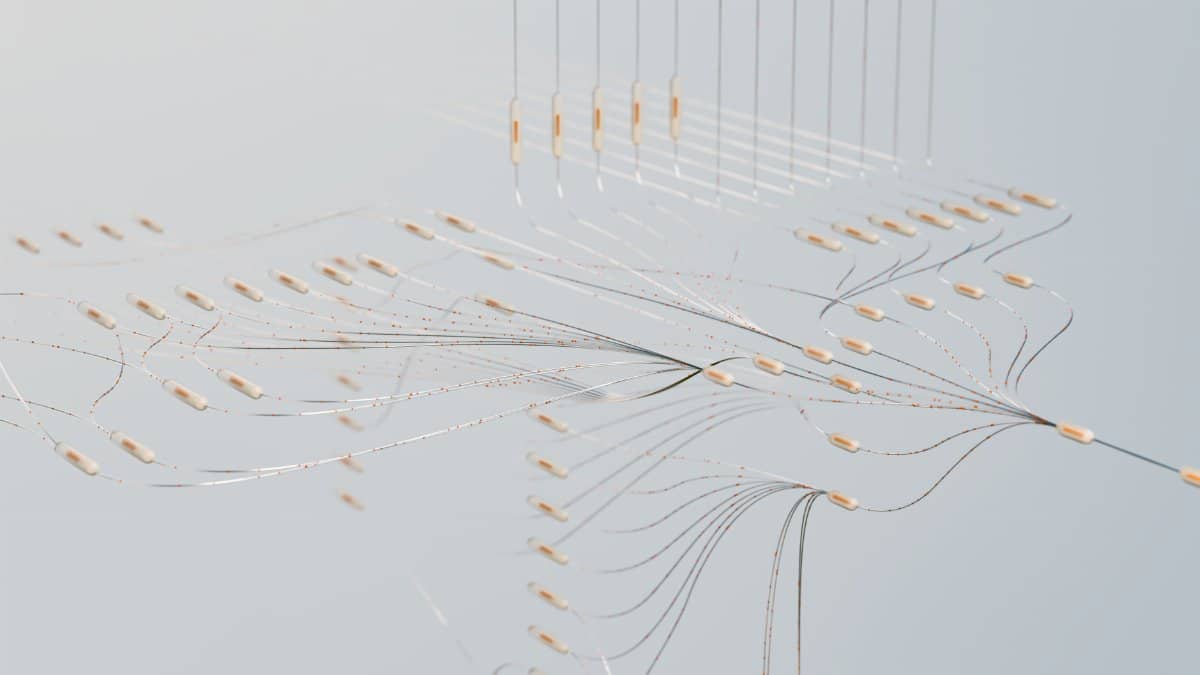
Brain imaging uncovers clear markers for every subtype. Areas linked to memory and mood regulation fire differently across the groups. For instance one subtype displays heightened connectivity in emotional centers during rest periods. Such findings come from ongoing work at major research institutions and appear in detail at the source link provided in references.
How Mood Links to Specific Subtypes

Daily emotional balance often tracks with an individuals assigned pattern. Those in the steady recovery group report fewer swings in outlook while variable stage types note more frequent dips. The connection suggests targeted adjustments in evening routines could support steadier feelings over time.
Energy Levels Across the Day

Work performance and physical stamina vary notably by subtype. Steady pattern holders maintain focus longer into afternoons whereas fragmented types benefit from brief resets. These patterns hold across age groups and point toward personalized scheduling as a practical step for many professionals.
Long Term Health Connections

Over years certain subtypes associate with differing risks for common conditions. Stable neural activity during rest correlates with better cardiovascular markers in follow up data. Variable patterns meanwhile link to higher reports of fatigue related issues. Awareness of ones type opens doors to preventive habits.
Practical Adjustments for Daily Life

Small shifts in light exposure and meal timing can align better with a given subtype. For variable types dimming screens earlier supports smoother transitions. Steady types often thrive with consistent wake times that reinforce natural cycles already present in their neural makeup.
Future Research Directions

Teams continue exploring how genetics interact with these brain based groupings. Early trials test whether subtype informed interventions improve outcomes more than generic advice. Results so far indicate promise for tailored approaches in clinical settings.
Broader Implications for Society

Workplaces and schools may eventually adapt schedules around common subtype distributions. Such changes could lift overall productivity and reduce burnout reports. Public health campaigns might also incorporate subtype education to promote informed choices about rest hygiene on a wider scale.