

The decision to ease longstanding rules under federal wildlife law has stirred concern across the western region. Observers note that Trump Endangered Species Act California now stands at the center of disputes involving habitat rules and economic priorities. Many residents who value open spaces worry that reduced oversight could affect creatures already struggling with shrinking ranges and changing conditions. Groups focused on conservation argue the adjustments favor development over preservation in key areas. Legal filings have begun to challenge the approach in court.
Policy Adjustments Draw Early Attention From State Officials

State leaders in Sacramento responded quickly once details emerged about the federal revisions. They cited risks to coastal zones and inland valleys where several creatures depend on protected land. Meetings with agency staff focused on mapping possible outcomes for local economies tied to tourism and farming.
Habitat Rules Face Revised Definitions Under New Guidance

Federal agencies issued updated language that narrows the scope of areas considered essential for species recovery. This change affects how permits are reviewed for construction and resource extraction. Experts tracking the process say the shift moves away from broader landscape considerations used in prior decades.
California Species Listed Among Those Most Exposed

Nearly three hundred animals and plants in the state appear on inventories compiled by biologists monitoring population trends. Some rely on wetlands that border growing suburbs. Others inhabit forests where timber harvest plans may now proceed with fewer reviews.
Legal Challenges Mount From Advocacy Organizations

Several lawsuits were filed in district courts soon after the rules took effect. Attorneys for environmental plaintiffs contend the revisions violate statutory requirements for public input. Hearings are scheduled over coming months with arguments centered on scientific data presented during earlier comment periods.
Economic Interests Cite Reduced Delays For Projects

Industry representatives welcomed the streamlined process for infrastructure and housing developments. They point to job creation in regions that have faced prolonged permit waits. Data from state commerce offices shows steady demand for new facilities near protected zones.
Scientists Track Early Signs Of Population Stress

Field researchers report subtle shifts in nesting patterns for certain birds and amphibians. Monitoring stations record lower recruitment rates in zones where habitat buffers were reduced. Long term studies will help determine whether these trends accelerate under the revised framework.
Public Lands Management Adapts To Updated Standards
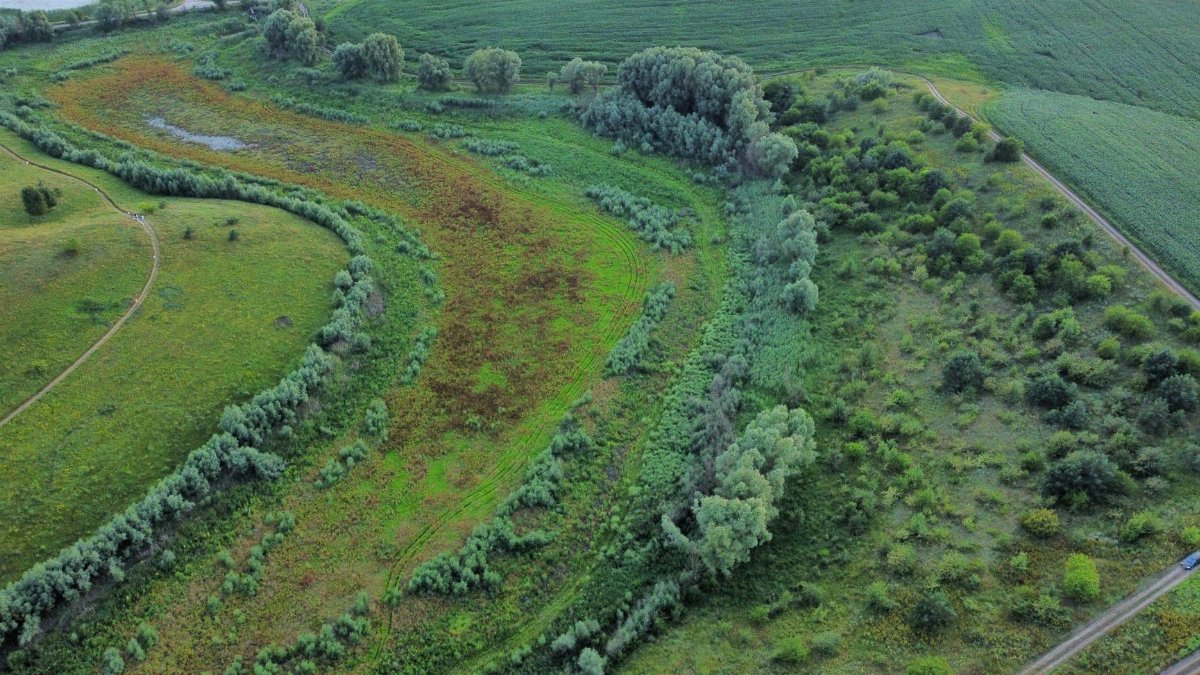
Federal land managers in the state began revising resource plans to align with the new habitat criteria. Grazing allotments and recreation permits received fresh assessments. Local communities that depend on these lands for income expressed mixed reactions during outreach sessions.
Comparison With Earlier Conservation Approaches

Previous administrations maintained wider buffers around known populations. Those measures emerged from extensive reviews involving multiple agencies and academic partners. Current changes emphasize case by case evaluations that some view as more responsive to local conditions.
Regional Impacts Extend Beyond State Borders

Neighboring states share migration corridors for several species affected by the policy. Coordination efforts among wildlife agencies continue through existing interstate agreements. Data sharing helps identify whether protection gaps in one area influence outcomes elsewhere.
Future Court Rulings May Shape Implementation

Judges reviewing the pending cases will weigh statutory language against agency explanations. Outcomes could influence how similar revisions are applied nationwide. Observers expect appeals to higher courts regardless of initial decisions.