
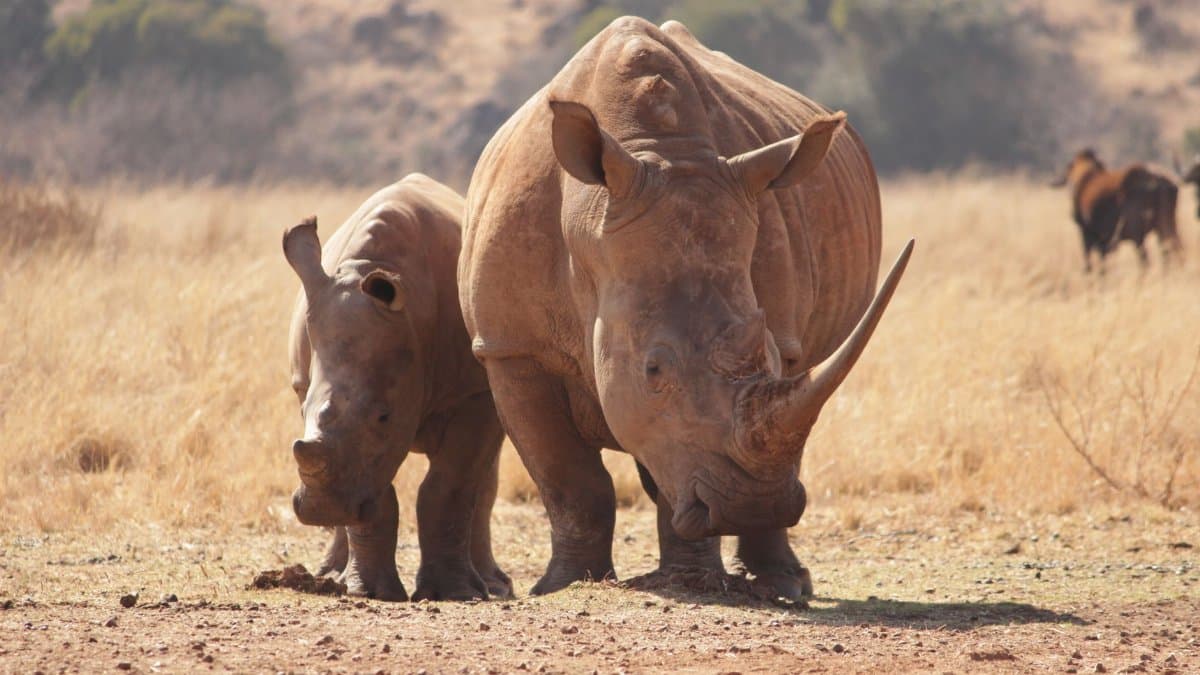
The vast forests of the Pacific Northwest once echoed with the calls of protected species now facing renewed pressure from policy shifts. In recent months the Trump wildlife protection rollback has drawn fresh attention to how federal decisions shape the fate of vulnerable animals across the country. Conservation groups argue that changes to longstanding safeguards leave critical habitats exposed while development interests gain new ground. This development revives old debates over balancing economic growth with the preservation of natural diversity that many Americans have long valued for its own sake.
Historical Context of Species Safeguards

The Endangered Species Act emerged decades ago as a response to widespread losses among birds mammals and fish. Lawmakers at the time sought to prevent extinctions driven by habitat loss and unregulated activity. Over the years the framework guided recovery efforts for creatures ranging from bald eagles to gray wolves. Adjustments in enforcement priorities have occurred with each administration yet the core structure remained largely intact until recent revisions.
Details Behind the Current Policy Shift

The Trump wildlife protection rollback modifies how agencies evaluate threats to listed species. Officials now apply narrower criteria when assessing future risks from climate patterns or land use changes. This approach reduces the scope of automatic protections that once extended to areas adjacent to known habitats. Proponents claim the updates remove unnecessary barriers for infrastructure projects while critics contend they weaken preventive measures.
Effects on Western Habitats
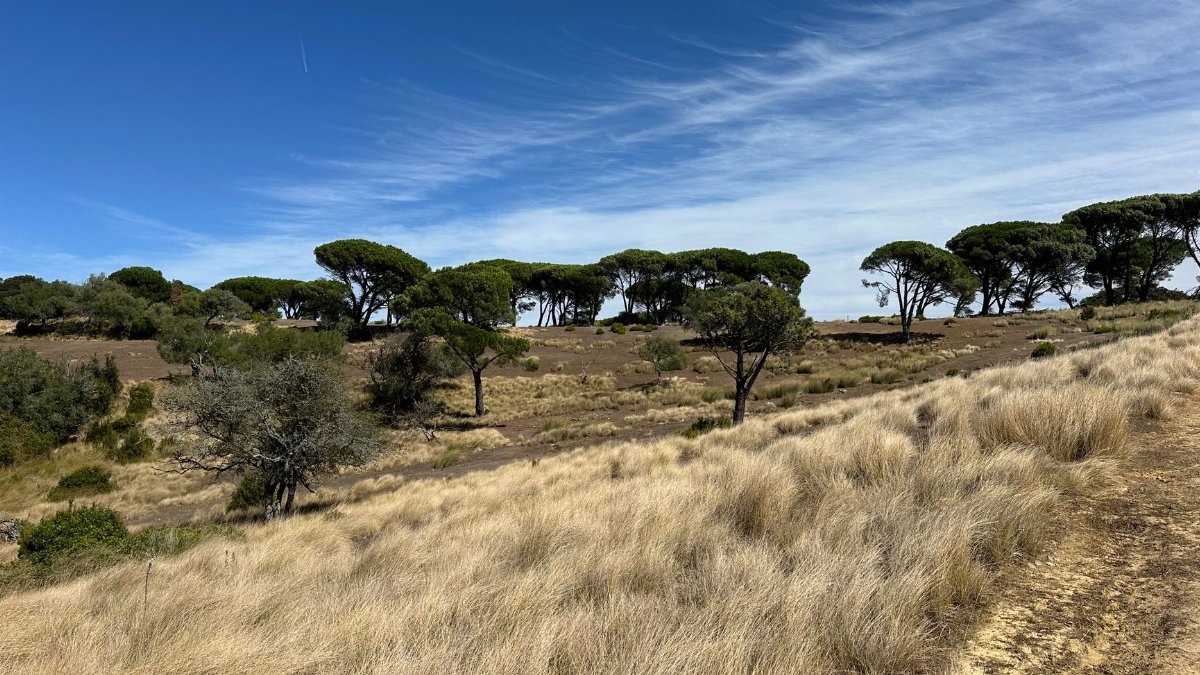
Regions in the Rocky Mountains and Southwest have seen immediate concerns surface over proposed energy developments. Several parcels previously set aside for species recovery now face review under the revised rules. Local observers note that migratory routes for elk and pronghorn could face disruption if new drilling sites expand. Wildlife managers report difficulty planning long range conservation steps amid shifting federal guidance.
Reactions from State and Local Officials

Governors in states with large public lands have issued mixed statements on the matter. Some welcome the prospect of faster permitting for rural economies while others request additional federal support for monitoring programs. County level wildlife boards in Montana and Idaho have begun reviewing their own ordinances to compensate for reduced national oversight. Public meetings in affected communities reveal divisions between ranchers and outdoor recreation advocates.
Broader Implications for Biodiversity

Ecologists warn that cumulative impacts could accelerate declines among amphibians and pollinators already stressed by other factors. Without consistent federal coordination recovery plans for wide ranging species risk fragmentation across state lines. Data from earlier decades show that coordinated protections often produced measurable rebounds in population numbers. The absence of such coordination may alter those trajectories in subtle yet lasting ways.
Economic Considerations in Rural Areas
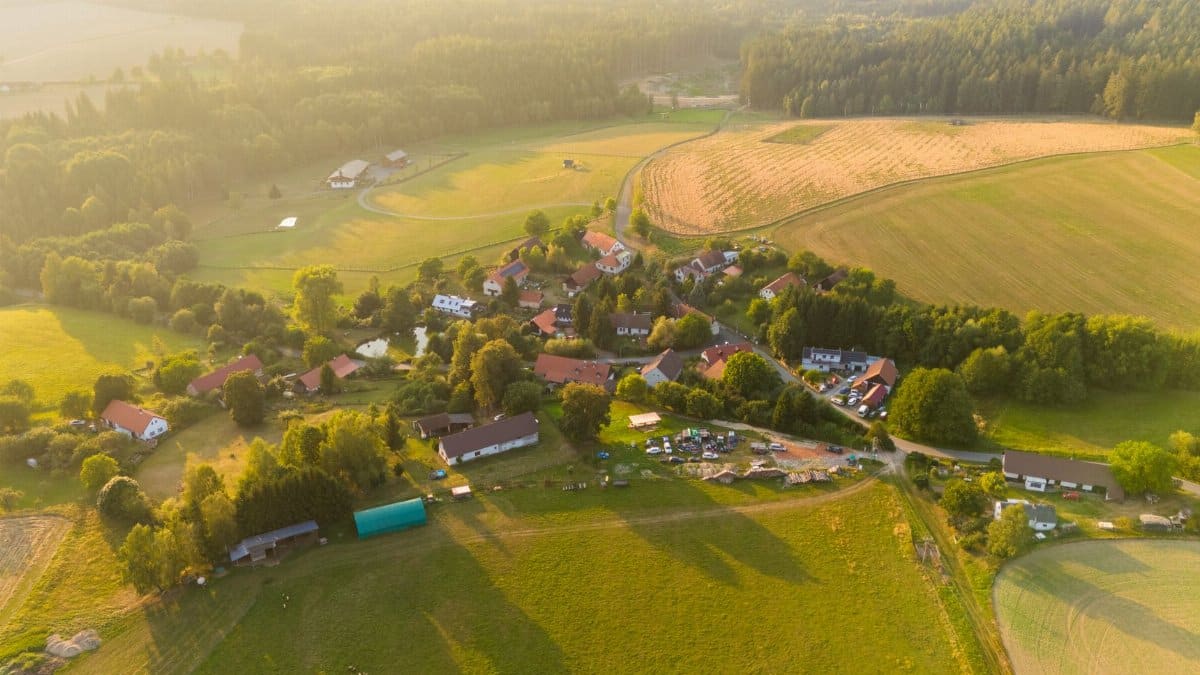
Advocates for expanded resource extraction point to job creation in logging mining and energy sectors. They argue that streamlined reviews allow communities to pursue opportunities that support schools and local services. At the same time tourism operators dependent on wildlife viewing express unease over potential losses in visitor interest. Studies from regional universities suggest both sectors contribute meaningfully to county revenues though their long term compatibility remains uncertain.
International Comparisons and Standards

Other nations maintain stricter habitat rules even as they pursue development goals. Canada and several European countries require extensive environmental reviews before approving large projects near sensitive zones. American policy changes could influence how trading partners view commitments under global conservation agreements. Diplomats note that domestic environmental records sometimes factor into broader negotiations on trade and security.
Future Outlook for Conservation Efforts
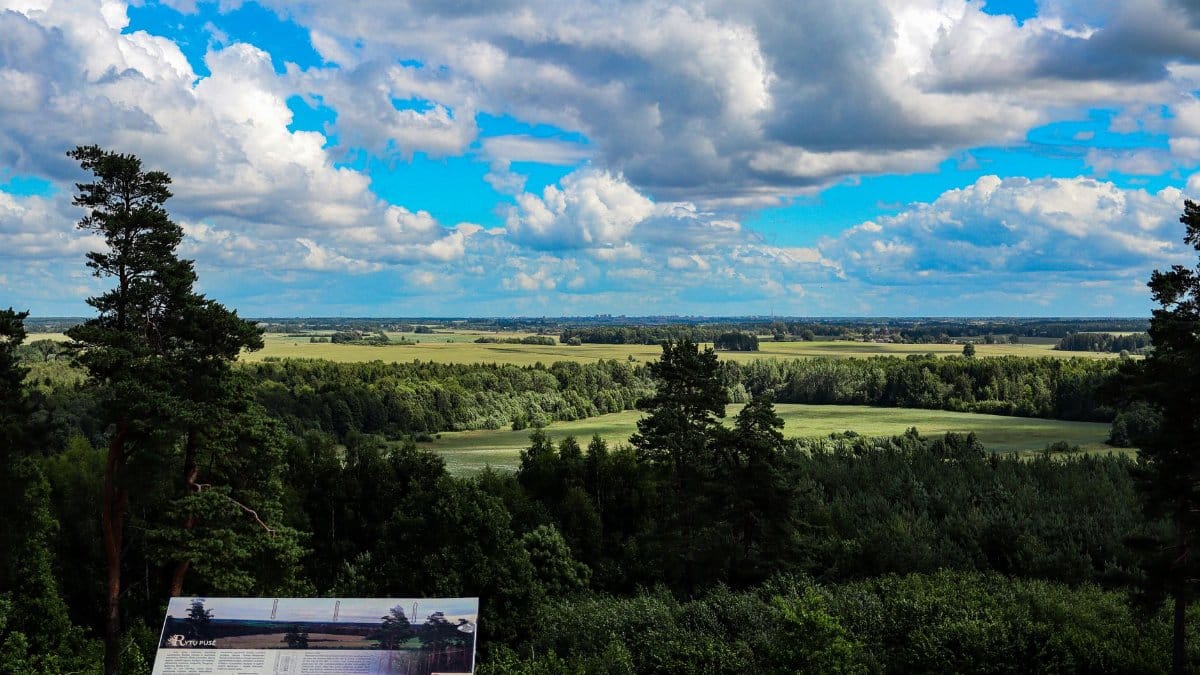
Legal challenges are already underway in multiple district courts with outcomes likely to shape enforcement for years ahead. Nonprofit organizations continue to gather data on species trends to inform potential legislative responses. Private landowners who once participated in voluntary protection programs now weigh their options under the new framework. The Trump wildlife protection rollback thus sets the stage for ongoing discussions about national priorities in land stewardship.