
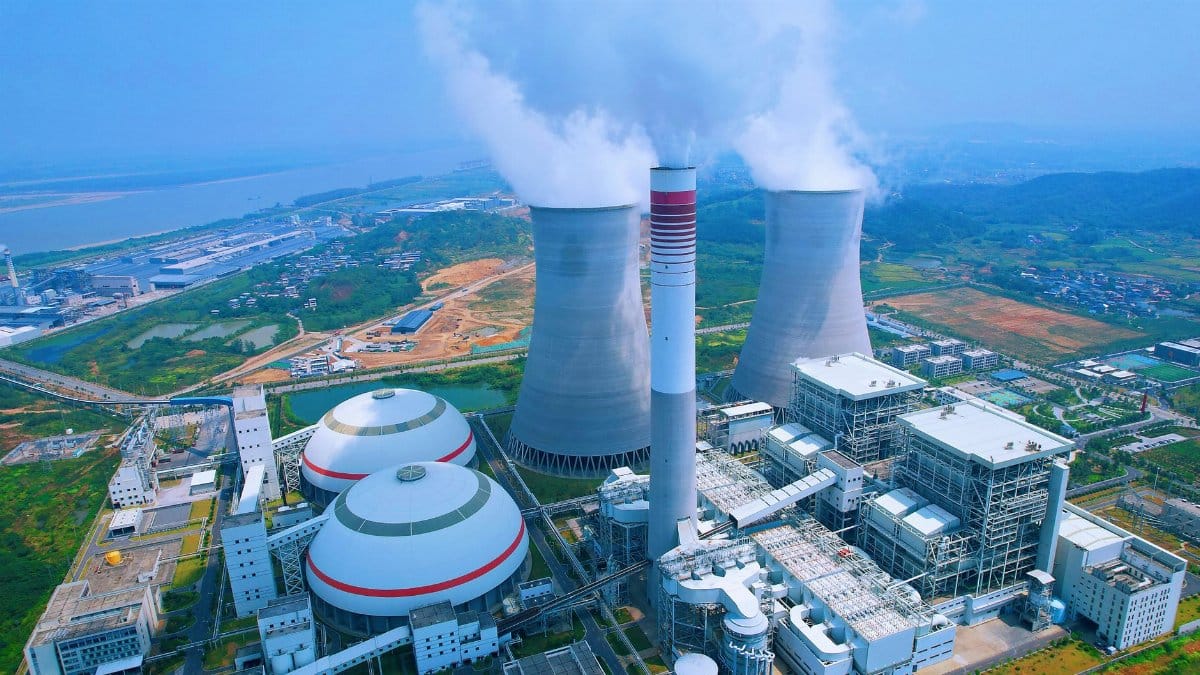
China stands at a pivotal moment as its leaders roll out ambitious measures to weave clean power sources into the fabric of heavy industry and digital infrastructure. The move arrives amid rising global pressure on major economies to curb carbon output while sustaining growth. In this context China renewables factories data centers emerge as a focal point for testing how large scale operations can shift away from coal and toward solar wind and other sustainable options without disrupting production lines or internet services that millions rely upon daily.
Policy Framework Unfolds

Recent directives from Beijing outline specific targets for energy sourcing in industrial zones and server farms. Officials emphasize gradual replacement of fossil fuels with renewables across key sectors. This approach builds on earlier five year plans yet adds tighter timelines and incentives for compliance. Companies that meet benchmarks receive tax relief while laggards face penalties. Observers note the plan balances economic priorities with environmental goals creating a model that other nations may study.
Industrial Energy Shifts
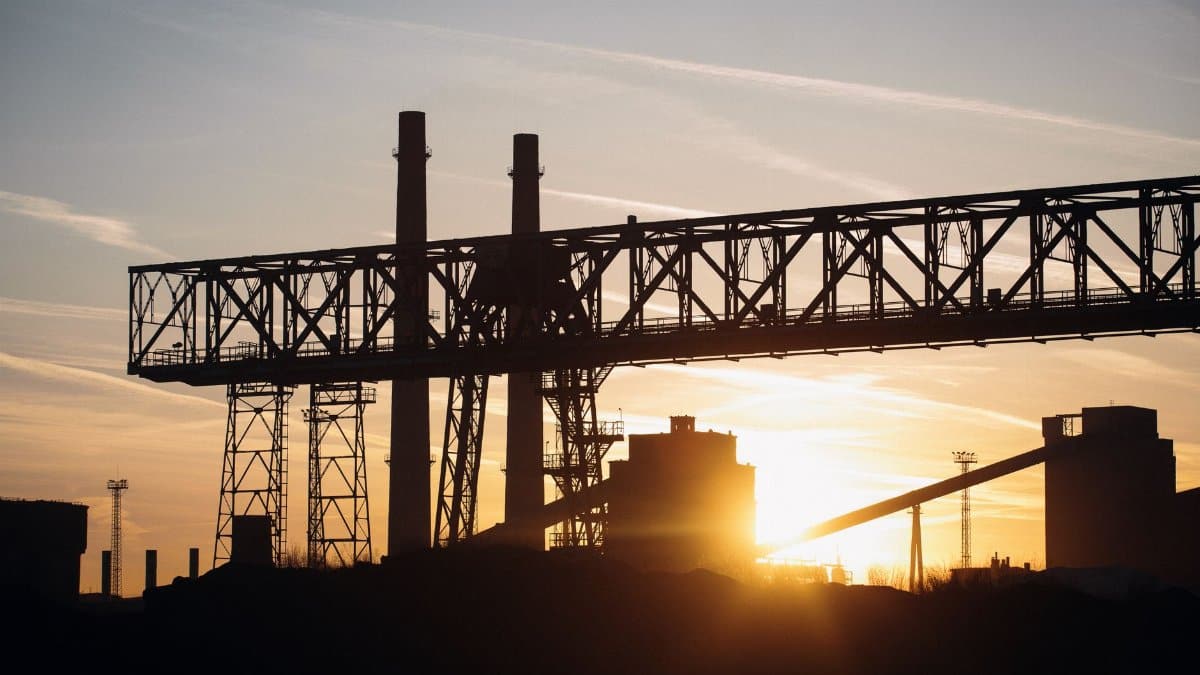
Factories represent a major slice of national power consumption in China. Transition efforts focus on installing rooftop solar arrays and connecting to regional wind farms. Managers report steady progress in provinces known for steel and electronics output. Workers adapt to new equipment designed for variable renewable inputs. Supply chains adjust as suppliers of batteries and inverters expand capacity to meet demand from these sites.
Data Center Adaptations

Server facilities consume vast electricity for cooling and operations. New guidelines encourage operators to locate centers near renewable generation hubs. Some firms experiment with on site generation paired with advanced storage systems. This reduces strain on national grids during peak hours. Early adopters claim lower operating costs over time though initial investments remain substantial.
Global Context Matters

China already leads in renewable equipment manufacturing. The latest climate steps reinforce that position while addressing domestic use. Trading partners watch closely since supply chains for technology goods often trace back to these factories. Diplomats discuss technology transfers that could accelerate adoption elsewhere. Such cooperation may ease tensions over trade and emissions reporting.
Technological Hurdles Surface

Grid stability poses ongoing questions when renewables dominate. Engineers develop smarter controls to handle fluctuations from sun and wind. Data centers require uninterrupted power so hybrid systems combine renewables with backup options. Research institutions receive funding to refine these solutions. Progress appears incremental rather than revolutionary at present.
Economic Ripple Effects

Job creation accompanies the buildout of clean energy assets. Technicians train for maintenance of solar panels and turbine components. Rural areas hosting new installations see improved infrastructure. At the same time some coal regions face transition pressures requiring support programs for displaced workers. Overall analysts project net gains in employment within a decade.
Environmental Tracking Begins

Monitoring stations measure air quality improvements near upgraded sites. Data shows gradual drops in particulate levels though full effects will take years to register. Biodiversity assessments accompany large solar and wind projects to limit habitat disruption. Public reports will track whether targets for emission cuts materialize as planned.
Future Outlook Emerges

Continued expansion of renewables in these sectors could position China as a test case for low carbon industry. Success depends on steady policy support and private sector innovation. International observers await results from pilot programs now underway. Broader adoption may influence climate negotiations in coming years.