
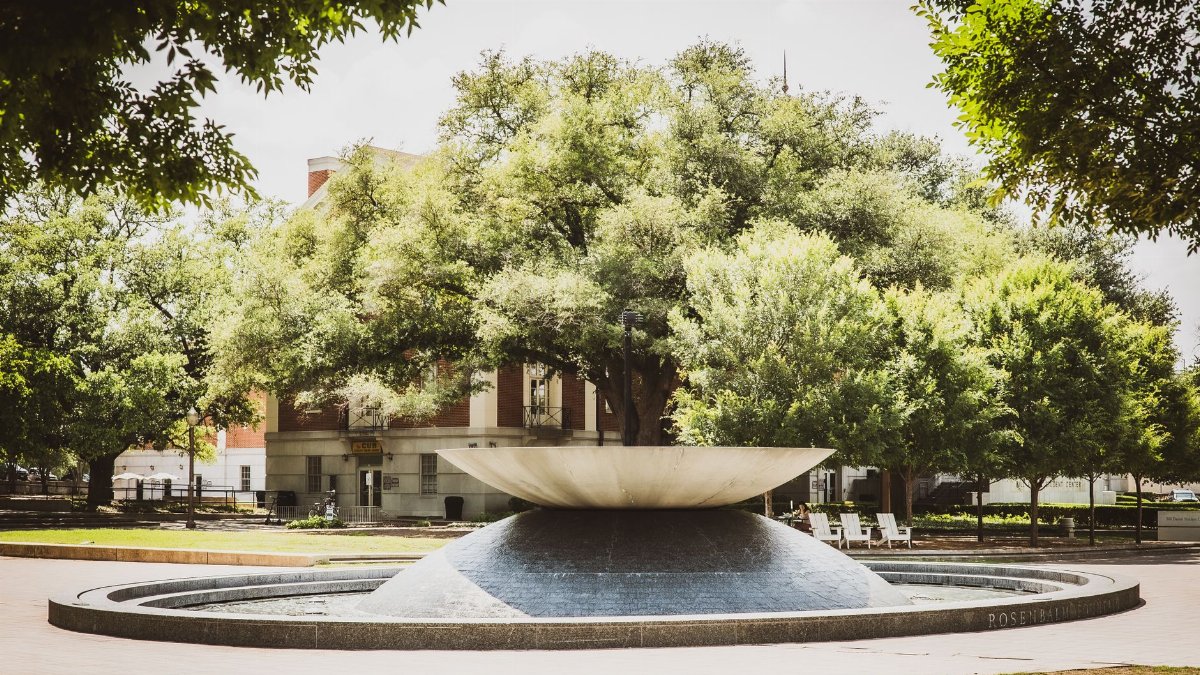
In the halls of the Texas Capitol, lawmakers often speak of balancing access with quality in public higher education. Yet few policies have drawn as much sustained attention as the Texas tuition freeze Abbott. Families weighing college options for their children now face a fourth straight year without increases at many public institutions, a development that arrives even as several North Texas campuses grapple with sizable shortfalls in their operating budgets. The decision reflects broader pressures on state resources and enrollment patterns that continue to shift after the pandemic years.
Origins of Sustained Cost Controls

State leaders first advanced the freeze concept several sessions ago as a response to rising complaints from households about escalating sticker prices at flagship campuses. Officials argued that predictable costs would encourage more residents to complete degrees without taking on excessive debt. Over time the approach gained support from both parties in the legislature, though critics noted that flat rates alone do not address gaps in financial aid or living expenses.
Effects on Households in Major Metro Areas

Parents in Dallas, Houston and Austin report modest relief when mapping out four year plans for their teenagers. A family sending two children to a regional university might save several thousand dollars compared with earlier projections. Still, many continue to weigh community college routes or workforce entry as alternatives when scholarships fall short of total need.
Budget Pressures at North Texas Campuses
Several institutions north of Dallas have reported operating deficits tied to declining enrollment and rising utility costs. Administrators describe difficult choices around faculty hiring and facility maintenance. The absence of tuition growth limits one traditional revenue tool, pushing leaders to seek efficiencies or new grants from private partners.
Governor Abbott’s Recent Messaging
During a recent round of campus visits the governor urged university boards to maintain the restraint even amid inflation in other sectors. He framed the policy as a signal of fiscal discipline that ultimately benefits taxpayers and students alike. Staff in his office pointed to data showing stable or slightly higher application numbers at schools that held rates steady.
Comparisons Across State Lines

Neighboring states have pursued different mixes of caps, performance funding and targeted subsidies. Some have allowed modest annual adjustments tied to inflation indexes while others froze rates only at community colleges. Observers note that Texas stands out for the duration of its current pause and the explicit involvement of the executive branch in annual reminders to regents.
Views from Campus Leadership
Presidents and provosts describe a mixed picture. Larger research universities with diversified revenue streams report less strain, while regional and comprehensive schools feel the pinch more acutely. Several have accelerated online program development and partnerships with local employers to offset lost tuition income.
Shifts in Enrollment and Completion Patterns

Data from the state coordinating board show steady growth at some open admission campuses alongside flatter numbers at selective flagships. Analysts suggest that price certainty may be steering more first generation students toward four year institutions rather than stopping at associate degrees. Completion rates have ticked upward modestly at schools that also expanded advising services.
Outlook for Future Legislative Sessions
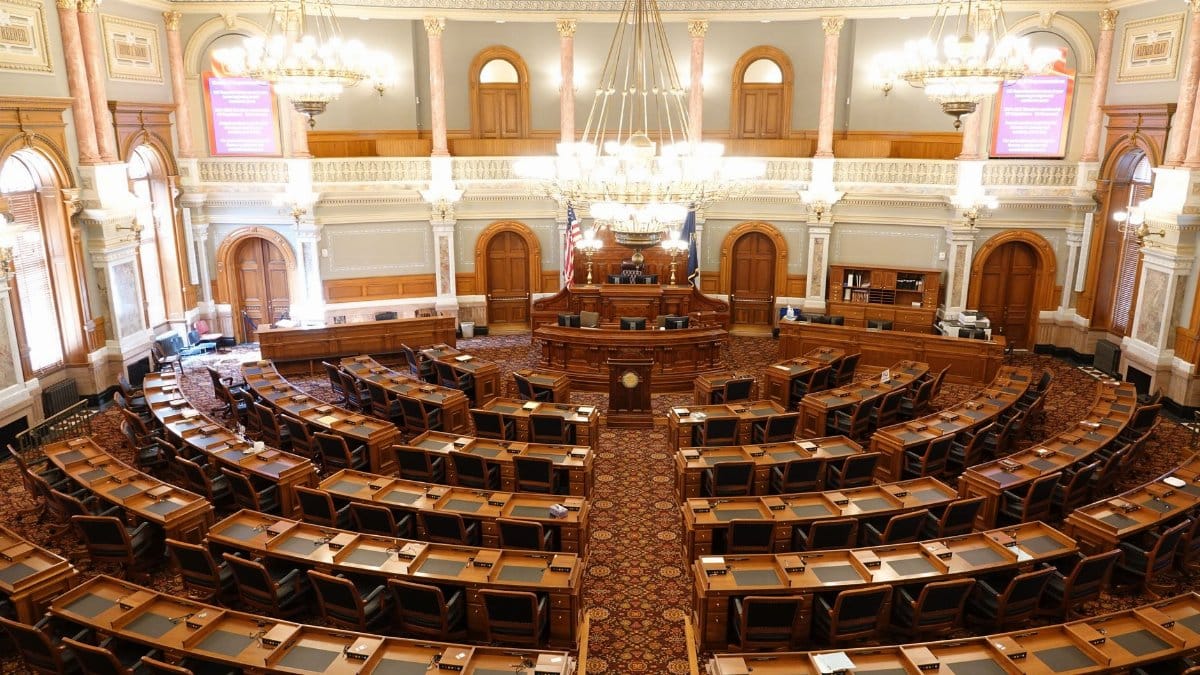
Lawmakers will revisit higher education finance next year, with discussions expected around base funding formulas and performance metrics. Some lawmakers favor extending the freeze while others propose limited flexibility for institutions demonstrating strong outcomes in graduation and job placement. The debate will likely incorporate new projections on state revenue and demographic changes in the college age population.