
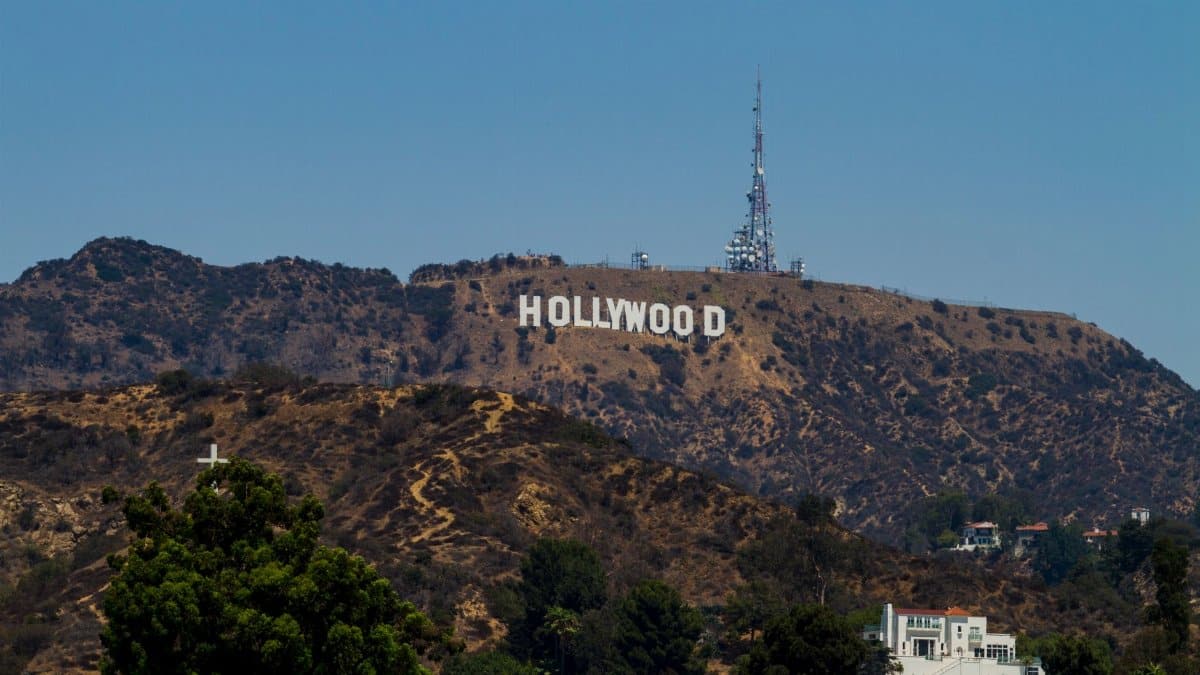
The historic studio complex in Los Angeles stands at a crossroads as ownership questions intensify amid financial pressures on its current operators. Industry observers note that production activity has slowed in recent years leaving large facilities underutilized. The Television City sale Hollywood illustrates how even iconic properties must adapt to new economic realities in an era of streaming services and reduced traditional broadcasting.
Background on the facility and its origins

Built during the middle of the twentieth century the site quickly became a hub for variety shows and dramatic series that defined American viewing habits. Over decades it hosted countless programs that reached millions of households each week. Its central location in a bustling media district provided easy access for talent crews and executives alike.
Financial pressures leading to default

Recent debt obligations have proven difficult to meet as advertising revenues decline and streaming platforms favor different production models. Lenders now hold significant influence over next steps. This situation reflects broader trends where traditional studios face higher costs for labor and technology upgrades.
Market conditions affecting media real estate
Demand for large soundstages has fluctuated with many companies opting for tax incentives in other states or countries. Local vacancies have risen creating uncertainty for workers who rely on steady studio employment. Property values in the area remain elevated yet transactions require careful negotiation.
Impact on local employment and crews

Thousands of skilled professionals from carpenters to camera operators depend on consistent bookings at such venues. A change in ownership could either stabilize operations or lead to further consolidation. Community leaders express concern that prolonged uncertainty might accelerate moves toward remote production sites.
Role of streaming services in reshaping demand

Platforms that once invested heavily in original content have scaled back amid subscriber saturation. This shift reduces the need for dedicated lots in high cost regions. Executives now evaluate whether legacy facilities offer competitive advantages over newer purpose built alternatives.
Potential buyers and investment strategies

Real estate firms with media portfolios may see opportunity in acquiring the property for mixed use development. Others could focus on preserving core production capabilities while adding office or residential components. Such approaches require navigating zoning rules and union agreements.
Comparison with other recent studio transactions

Several lots across the region have changed hands in the past decade often with mixed outcomes for ongoing filming activity. Some retained their primary function while others pivoted toward technology campuses or entertainment retail. Lessons from those cases inform expectations here.
Regulatory and community considerations

City officials monitor the process to ensure any transition supports regional economic goals. Public input sessions allow residents to voice priorities around traffic preservation of historic structures and job retention. These discussions shape the parameters for future development plans.
Future outlook for Hollywood production infrastructure

Analysts predict continued evolution as global competition intensifies and audience habits mature. Facilities that offer flexibility and cost efficiency will likely thrive. The current episode underscores the need for adaptive strategies across the sector.