
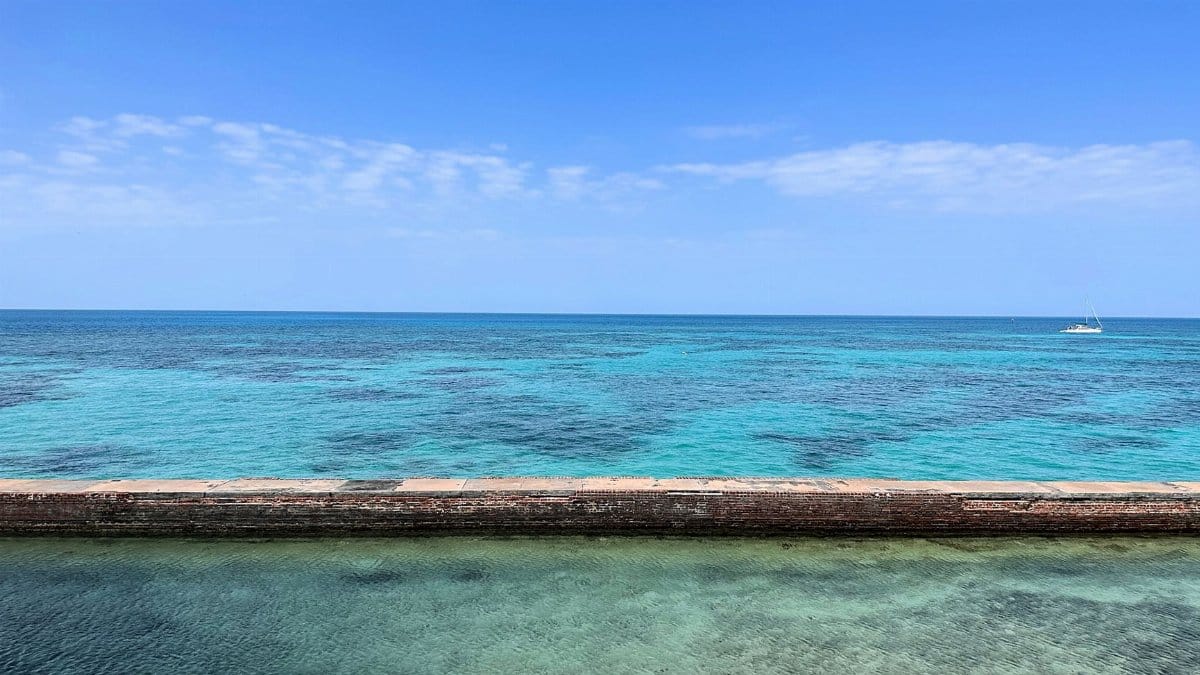
In the shimmering shallows along the Florida coast, teams of marine specialists move with quiet urgency as they prepare to lift colonies from their ancient perches. The process known as Florida Keys coral evacuation represents a direct response to prolonged heat stress that has already bleached large sections of reef. Divers mark each specimen, encase it in protective frames, and ferry it toward vessels waiting offshore. This measured effort unfolds against a backdrop of rising ocean readings that show little sign of reversal in the near term.
Heat Stress Alters Traditional Reef Habitats
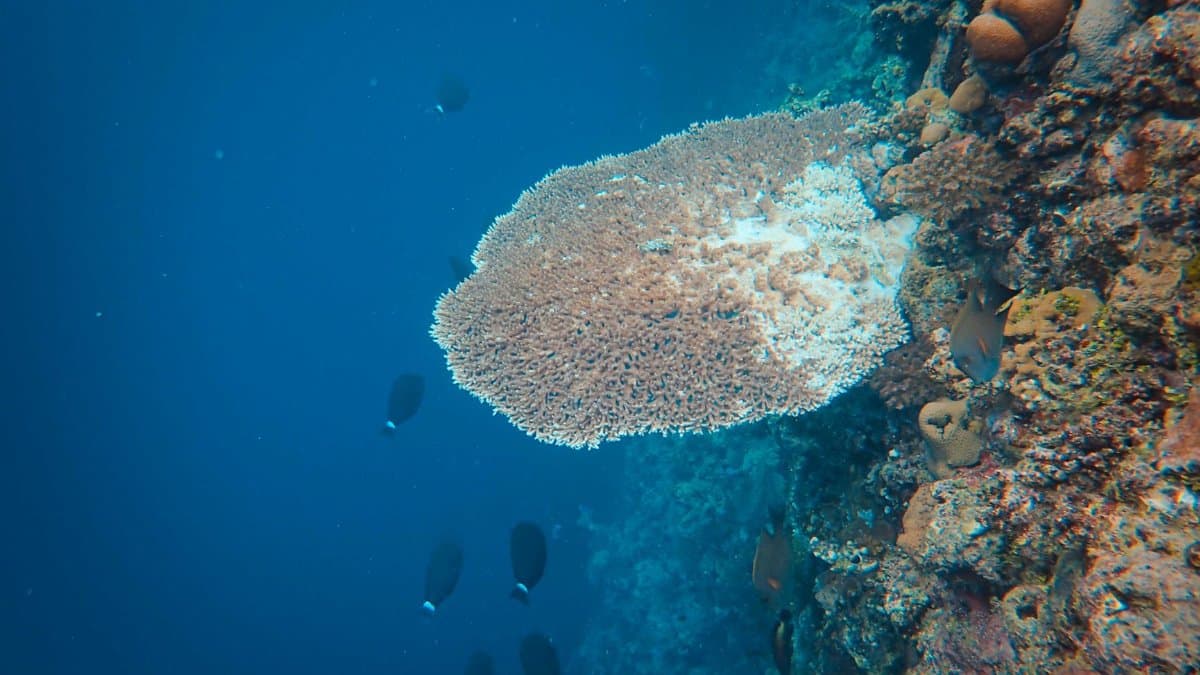
Water temperatures in the region have climbed steadily over the past decade, pushing corals beyond their tolerance thresholds during extended summer periods. Records from monitoring buoys document spikes that coincide with mass bleaching events visible from aircraft surveys. These changes disrupt the symbiotic algae that supply corals with energy, leaving skeletons exposed and vulnerable to disease.
Planning Sessions Shape Evacuation Routes
Biologists and park managers gather each spring to review temperature forecasts and select priority sites for removal. Maps mark zones where live cover remains above critical levels, guiding decisions on which colonies merit transport. Logistics include timing departures to avoid peak currents and coordinating with hatchery facilities prepared to receive arrivals.
Selection Criteria Prioritize Genetic Diversity
Teams examine colony size, age, and resilience markers before tagging candidates. Preference goes to specimens that have survived prior warm spells, preserving traits that may prove useful in future restoration. Genetic sampling accompanies each lift to maintain a broad catalog for breeding programs.
Vessel Operations Support Safe Transit
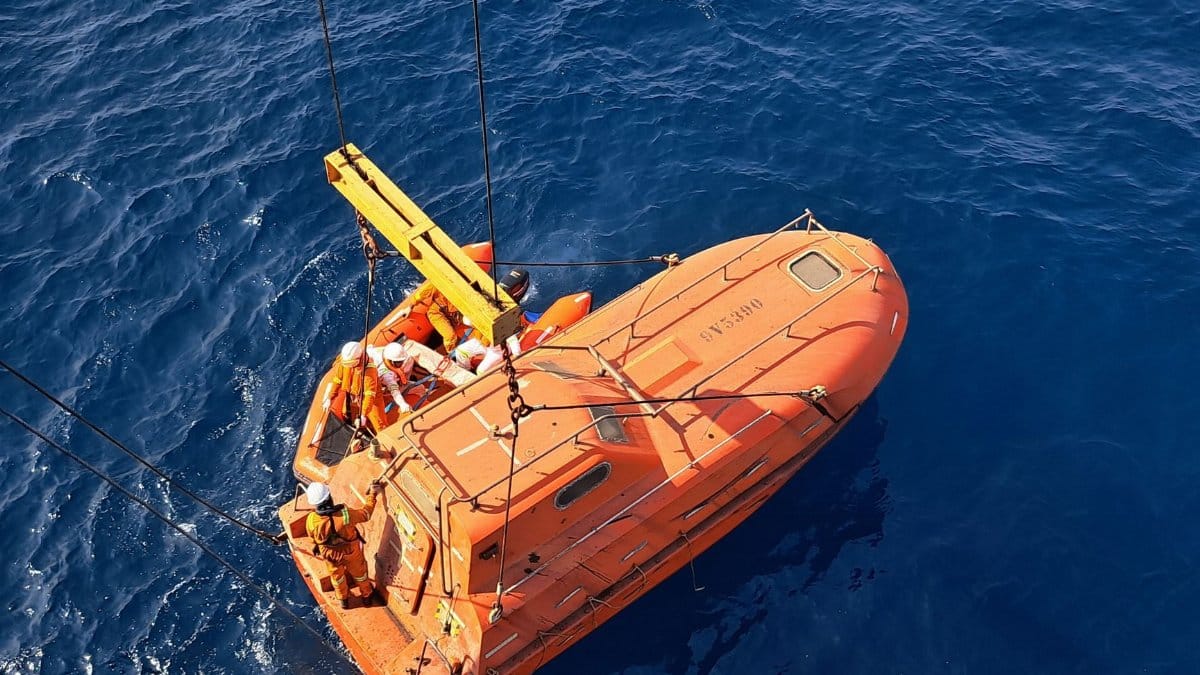
Specialized boats equipped with aerated tanks carry the corals to holding sites on land or to deeper nurseries. Crews monitor oxygen levels and salinity during the short journeys to reduce shock. Upon arrival, fragments are secured to frames that mimic natural substrate conditions.
Local Fishers Contribute Knowledge and Labor

Residents whose families have worked these waters for generations share observations about shifting currents and seasonal patterns. Their input refines evacuation timing and helps identify overlooked pockets of healthy reef. Partnerships also supply additional hands during peak collection windows.
Nursery Facilities Expand Capacity
Shore based installations have added tank space and filtration systems to accommodate incoming specimens. Staff track growth rates under controlled light and temperature regimes, preparing corals for eventual return once conditions stabilize. Some fragments serve research into assisted evolution techniques.
Tourism Sector Adjusts to Changing Seascapes
Operators who once promoted snorkel tours over vibrant reefs now highlight education programs about conservation work. Visitor centers display updates on evacuation progress, framing the effort as part of broader adaptation measures. Revenue from these programs helps fund equipment and training.
Monitoring Tracks Post Relocation Outcomes
Tags and sensors follow each colony through its new setting, recording survival rates and signs of stress. Data streams feed into regional models that forecast reef viability under various warming scenarios. Adjustments to protocols occur as patterns emerge from successive seasons.
Policy Frameworks Guide Long Term Commitments

State and federal agencies allocate resources through multi year plans that treat coral relocation as one element within wider marine management. Coordination extends to neighboring regions facing similar pressures, allowing shared lessons on transport methods and nursery design.
Public Awareness Campaigns Build Support

Documentaries and exhibits present the evacuation process to audiences beyond coastal communities. Emphasis falls on measurable progress rather than alarm, illustrating how incremental actions accumulate into meaningful protection for reef systems. Schools incorporate modules that connect local efforts to global ocean trends.