

In recent months a notable dispute has emerged among lodging employees in the Pacific Northwest city known for its vibrant waterfront and tech driven economy. Employees at one Hilton location have stopped work to press for better pay and staffing levels amid rising living costs. The phrase Seattle hotel workers strike Hilton captures the heart of this story as the group also unveiled a dedicated site for travelers to read firsthand accounts and leave their own comments on service quality during the action. This move represents a fresh tactic in how unions communicate with the public and put pressure on management to reach a settlement.
Origins of the Current Labor Dispute
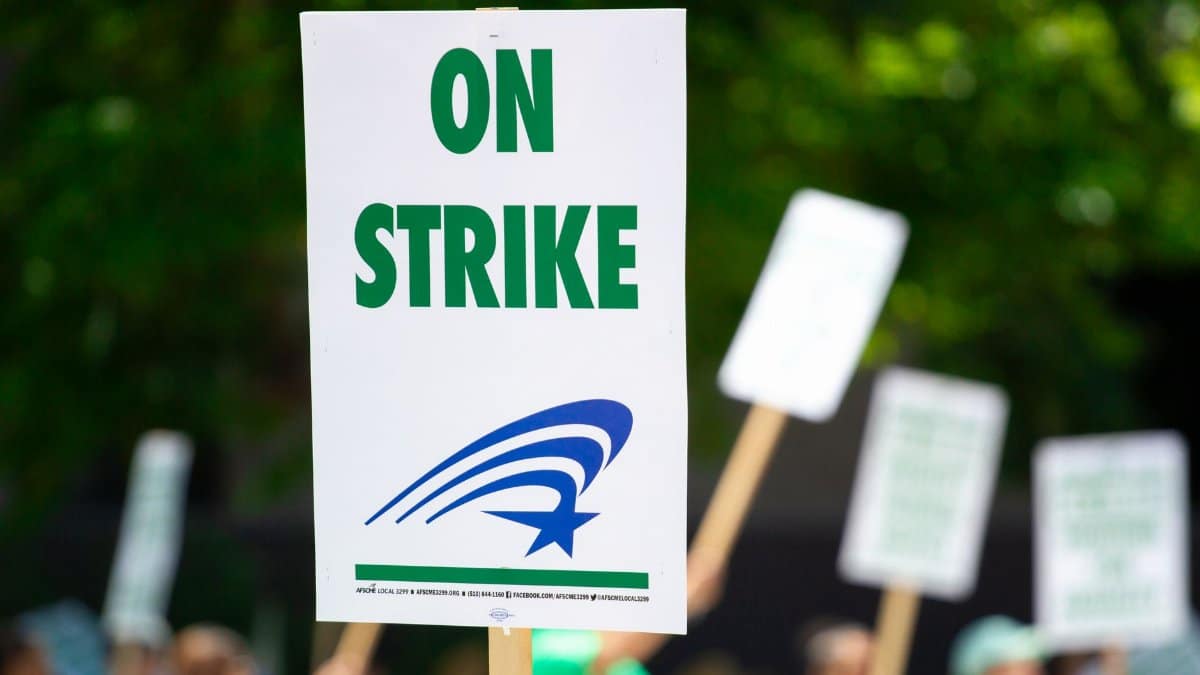
Hotel staff in Seattle have voiced concerns over wages that have not kept pace with local inflation and the high cost of housing in the region. Many employees report working long shifts with limited breaks while hotels report strong occupancy rates from business and leisure visitors alike. The decision to launch a public platform came after internal talks stalled leaving workers seeking new ways to share their perspective with those who book rooms at the property.
Details of the New Guest Website

The online resource allows past and prospective visitors to submit reviews focused on daily operations and employee interactions. It also posts updates from the union side including demands for fair contracts and safer workloads. Organizers say the goal is transparency so that guests understand how labor issues may affect their stay without relying solely on company statements.
Broader Effects on Seattle Tourism
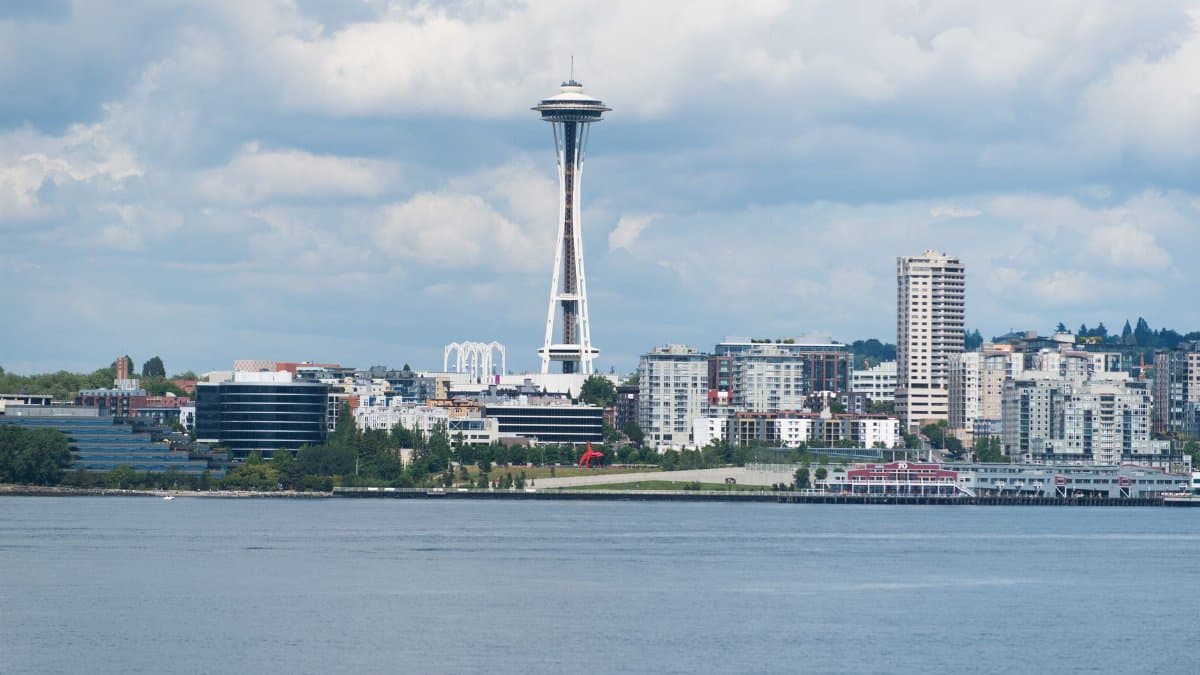
Local tourism officials worry that prolonged action could influence visitor choices and conference bookings in a city that relies heavily on conventions and summer travel. Business leaders note that Seattle competes with other West Coast destinations and any perception of service disruption might shift some events elsewhere. At the same time supporters of the workers argue that improved conditions will ultimately lead to better guest experiences once an agreement is reached.
Union Strategy and Public Outreach
By creating a direct channel for feedback the union hopes to build wider community support and keep attention on the issues at hand. Past labor actions in the area often relied on picket lines and media coverage alone yet digital tools now let workers reach a national audience of potential guests. This approach mirrors tactics used in other cities where hospitality unions have sought to humanize their campaigns.
Management Perspective on Negotiations

Hilton representatives have stated they remain open to discussion while emphasizing the need to balance employee requests with operational realities. Company statements highlight competitive benefits already in place and ongoing efforts to recruit and retain staff in a tight labor market. Both sides appear to recognize that a swift resolution would benefit the hotel reputation and local economy alike.
Historical Patterns in Regional Hospitality Labor

Seattle has seen several rounds of hotel worker organizing over the past decade as the industry recovered from earlier downturns. Contracts in comparable properties have included wage increases and limits on subcontracting yet gaps remain between larger chains and smaller operators. Observers point to these patterns as context for why current talks have drawn such interest from labor advocates nationwide.
Impact on Daily Operations and Guest Services

During the strike some services at the property have shifted to management or temporary staff leading to reports of longer wait times for housekeeping and dining. Guests who have posted on the new site describe mixed encounters with some praising the spirit of remaining employees while others note adjustments in amenities. The union encourages direct input so that any changes in quality are documented from multiple viewpoints.
Future Outlook for Contract Talks

Mediators have been called in to help bridge differences on key issues such as health coverage and scheduling predictability. If an accord can be reached soon it may serve as a model for similar properties facing comparable pressures from rising expenses. Workers express cautious optimism that public visibility from the website will encourage quicker movement at the bargaining table.