

The city of Baltimore has long grappled with questions of accountability in public institutions yet few moments capture the stakes as sharply as the surge in legal resolutions now unfolding. With baltimore lawsuit payouts 2026 climbing toward sixteen million dollars one high profile police case has shouldered the bulk of the burden leaving taxpayers and civic leaders to weigh the costs of past practices against the demands of reform.
Understanding the Financial Burden on City Resources

Baltimore officials have allocated substantial portions of the annual budget to cover these resolutions. The sixteen million dollar figure represents more than isolated incidents. It reflects patterns in litigation that stretch across multiple departments. City analysts note that such expenditures reduce funds available for infrastructure projects and public services. Residents in neighborhoods from Sandtown to Canton feel the ripple effects when road repairs or school improvements face delays.
Examining the Dominant Case Behind the Total

A single lawsuit involving police conduct accounts for the majority of the current outlay. Court records show the settlement addressed claims of excessive force during an arrest several years earlier. The payout underscores how individual events can generate prolonged legal and financial consequences. Legal observers point out that similar cases elsewhere have prompted policy shifts aimed at reducing future exposure.
Tracing Historical Patterns in Municipal Liability

Baltimore has faced comparable legal pressures in prior years yet the scale in 2026 stands out. Earlier resolutions often involved smaller amounts spread across routine disputes. The current cluster suggests evolving standards for evaluating officer actions and municipal responsibility. Historians of local governance observe that these cycles tend to coincide with leadership changes at the police department.
Assessing Effects on Community Trust and Daily Life

Public confidence in local law enforcement has fluctuated amid reports of the settlements. Community meetings in affected districts reveal concerns that large payouts signal deeper operational issues. At the same time some residents express hope that the financial pressure will accelerate training improvements and oversight mechanisms. Everyday interactions between officers and citizens remain shaped by this backdrop of scrutiny.
Reviewing Budget Adjustments and Taxpayer Implications

City council discussions have centered on how to absorb the sixteen million dollar hit without raising property taxes. Proposals include trimming administrative costs and seeking state assistance. Fiscal experts caution that repeated large resolutions could strain credit ratings over time. Middle class households already managing rising living expenses watch these developments closely as they consider long range municipal planning.
Comparing Baltimore to Other Major Cities

Other urban centers have encountered parallel challenges with police related litigation. Philadelphia and Chicago reported comparable totals in recent cycles though their per capita figures differ based on population size and case volume. Baltimore stands apart because one case dominates the aggregate. This concentration allows for clearer attribution yet complicates efforts to isolate systemic fixes.
Exploring Reforms Under Consideration
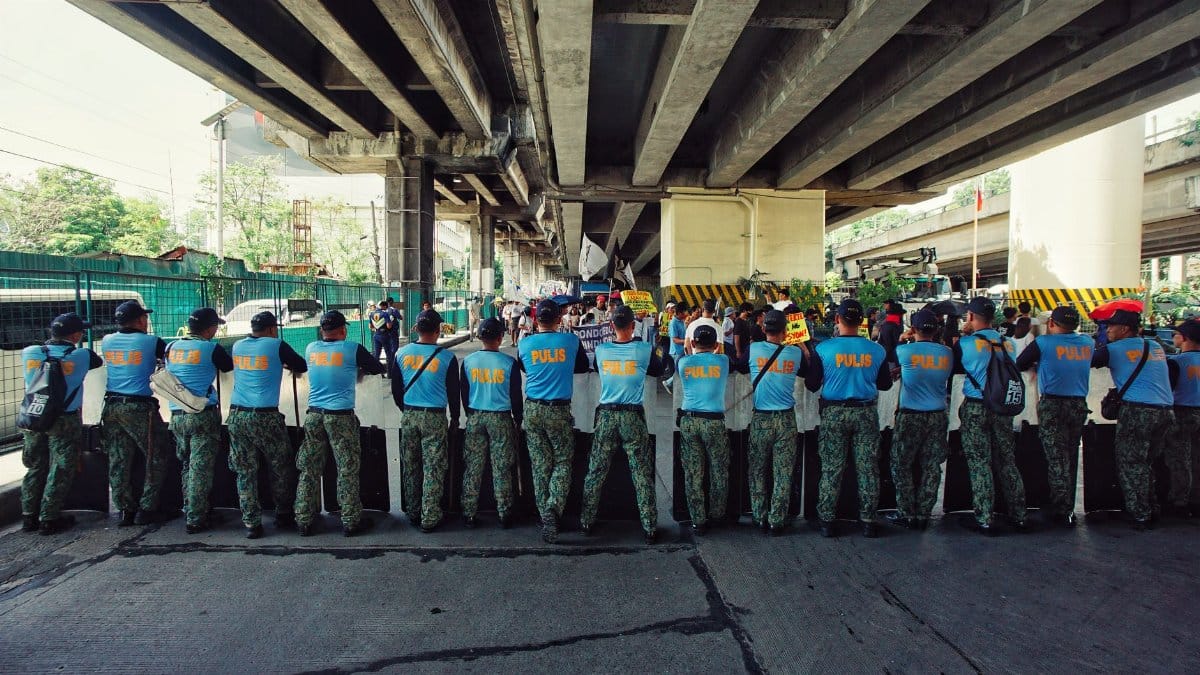
Department leaders have outlined new protocols for deescalation and body camera usage. Training programs now emphasize documentation standards that could limit future liability. Advocates argue these steps must pair with independent review boards to achieve lasting change. Early data from pilot programs show modest declines in complaints though full evaluation awaits further quarters.
Considering Long Range Projections for Legal Exposure

Forecasts suggest baltimore lawsuit payouts 2026 may set a benchmark for coming years if underlying conditions persist. Actuaries modeling risk factors cite recruitment challenges and retention issues within the force as contributors. Proactive measures such as improved mental health support for officers could alter trajectories. Without intervention the pattern risks becoming a recurring line item in annual budgets.
Highlighting Voices from Affected Neighborhoods
Interviews with longtime residents illustrate the human dimension behind the numbers. Families describe both frustration with past incidents and cautious optimism about accountability measures. Local organizations have begun hosting forums to bridge gaps between police and civilians. These gatherings emphasize dialogue over confrontation as a path toward mutual understanding.
Evaluating Media Coverage and Public Awareness
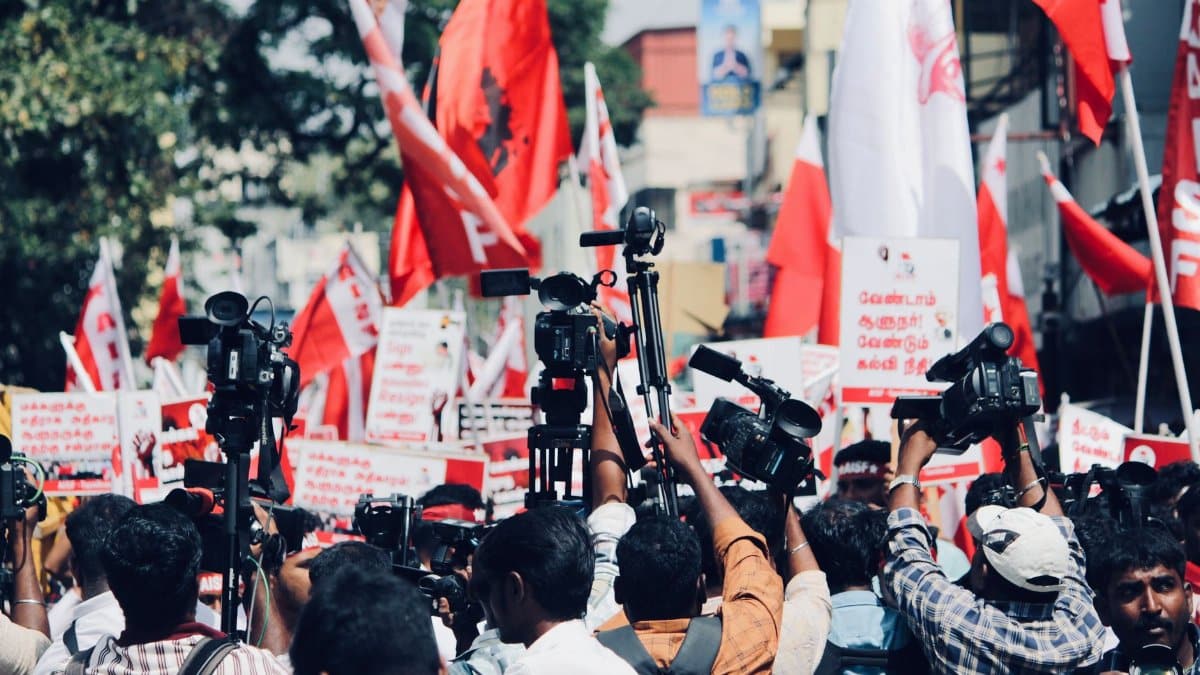
Local outlets have devoted sustained attention to the settlements with detailed breakdowns of each case. National attention has remained lighter though the totals invite broader comparisons to national trends in policing costs. Readers seeking context often turn to primary court documents for unfiltered details rather than secondary summaries.
Reflecting on Paths Toward Sustainable Governance

The episode invites reflection on how cities balance fiscal responsibility with the pursuit of justice. Baltimore leaders face choices that will shape not only next year budgets but also the character of public institutions. Sustained attention to prevention and transparency offers one route through the current challenges while maintaining focus on community needs.