
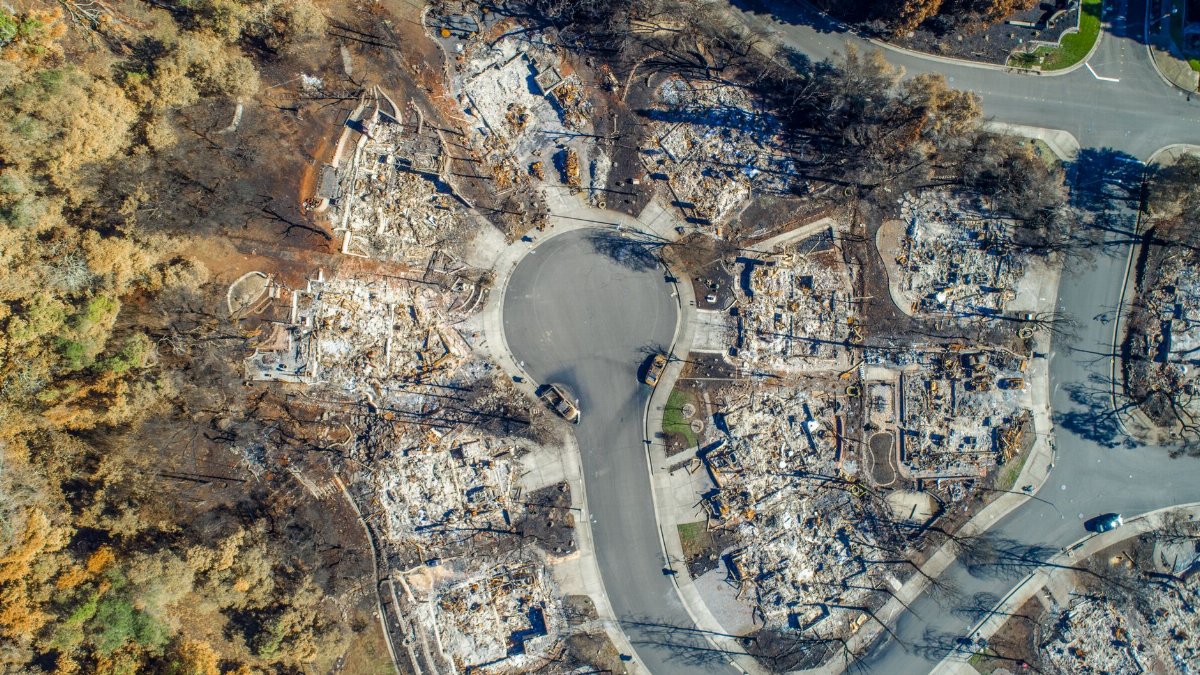
In the dry expanse of central Colorado where forests meet open range the Aspen Acres Fire Colorado Wildfires has surged past control lines and prompted urgent new evacuation notices across Fremont County. Crews face steep terrain and shifting winds that fan flames through dense stands of pine and brush. Local officials describe the situation as fluid with the fire already covering more than ninety one thousand acres and showing little sign of slowing. Residents in scattered mountain communities have been told to leave at once carrying only what fits in a vehicle. The scene echoes past seasons of intense burning yet carries its own urgency given the rapid growth in recent days.
Current Extent of Burning
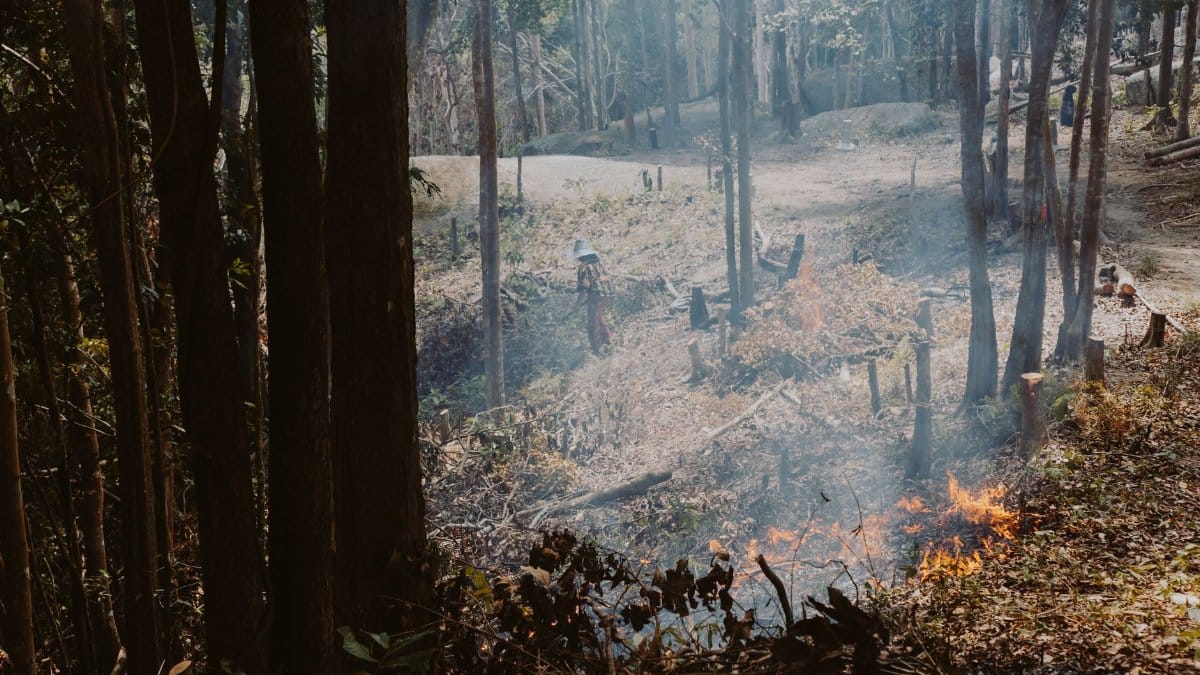
The fire continues to advance on multiple fronts. Satellite images reveal a perimeter that stretches across ridges and valleys creating new hotspots almost hourly. Fire managers report that containment stands at roughly fifteen percent though that figure changes with each operational period. Ground teams work alongside aircraft that drop retardant in strategic spots aiming to protect homes and infrastructure. The overall footprint now ranks among the larger events recorded in the region this decade.
Evacuation Orders and Routes
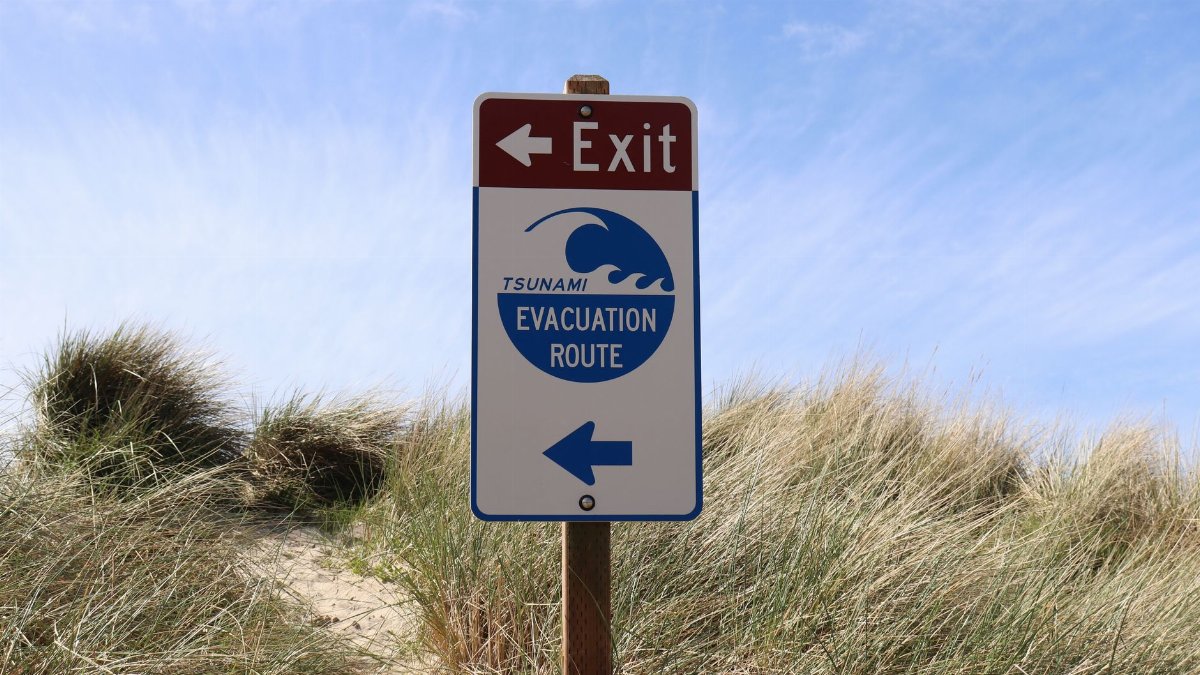
Authorities have expanded mandatory departure zones to include additional neighborhoods north of Canon City. Roadblocks limit access while shuttle services help those without transportation. Shelters opened in nearby towns offer beds meals and information desks staffed by county workers. Families describe hurried departures with pets and important documents as smoke fills the air. Updates flow through reverse 911 calls and social media channels managed by emergency staff.
Response from Fire Crews
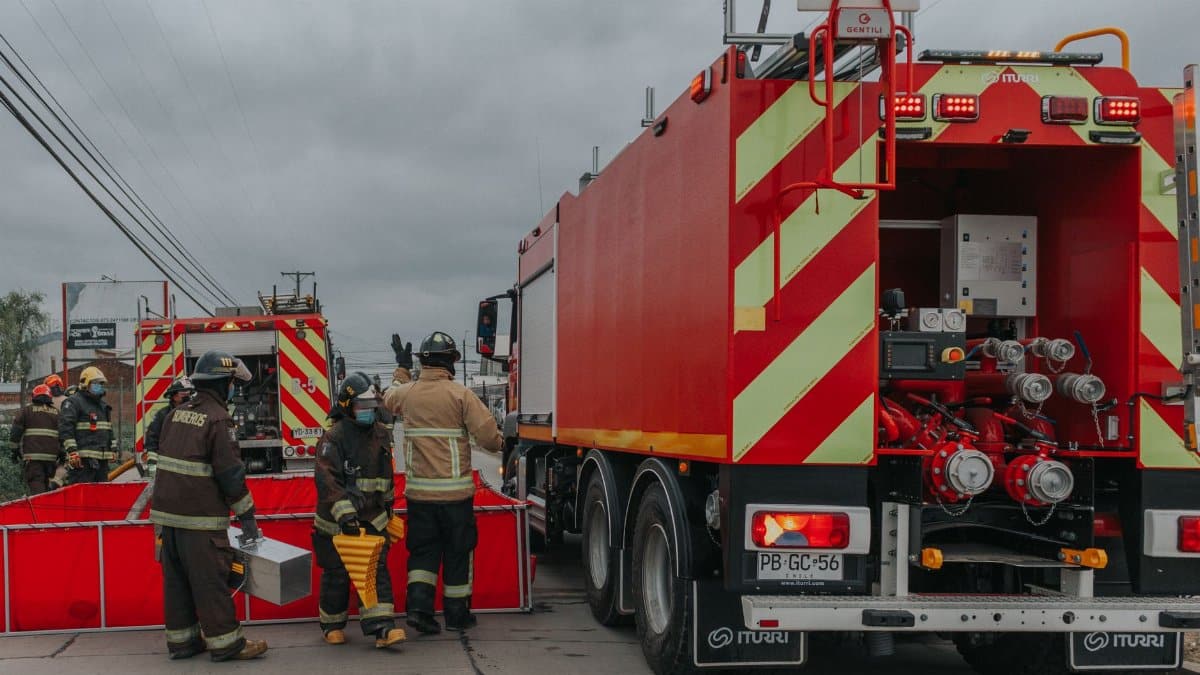
Hundreds of firefighters from across the western states have joined the effort. They construct containment lines using hand tools and heavy equipment while monitoring weather forecasts for any relief. Night operations rely on infrared mapping to track active flames hidden by darkness. Logistics teams keep supplies moving despite narrow access roads. Morale remains steady even as shifts stretch long into the night.
Effects on Local Communities
Businesses in the path of possible spread have closed temporarily. Schools adjusted calendars and moved some classes online. Ranchers moved livestock to safer pastures while checking on water sources threatened by ash runoff. Mental health counselors set up stations at evacuation centers to support those displaced. The disruption touches daily routines in ways that linger beyond the immediate danger.
Role of Weather Patterns

Hot dry air combined with occasional gusts has accelerated spread in recent afternoons. Forecasters note that monsoon moisture remains delayed this season leaving fuels parched. Lightning from distant storms adds new ignition points though most strikes so far produced little follow on activity. Models suggest conditions may moderate slightly next week yet crews prepare for continued challenge.
Wildlife and Land Impact

Biologists monitor how the flames affect elk deer and smaller species that inhabit the area. Some animals move to lower elevations seeking unburned cover. Post fire recovery plans include erosion control measures to protect watersheds once the blaze subsides. Native grasses and shrubs typically return within a few seasons though larger trees require decades. The event adds to ongoing discussions about forest health and resilience.
Coordination Among Agencies

State and federal partners share resources through unified command structures. Daily briefings align tactics across jurisdictions. Public information officers compile maps and safety guidance for release each morning. Mutual aid agreements bring engines and personnel from neighboring states when local capacity reaches limits. This layered approach aims to balance immediate suppression with longer term planning.
Outlook for Containment

Officials emphasize that full control may take weeks depending on weather and terrain difficulties. Additional resources stand ready if growth continues. Community meetings allow residents to ask questions and receive the latest projections. The focus stays on protecting lives and property while allowing natural processes where safe. Updates continue as crews assess progress each day.